
The Best PKM Tools 2026: Revolutionize Your Knowledge Management
Affiliate disclosure: This article may contain affiliate links. Recommendations are independent and editorially driven.
In an era defined by information overload, the ability to effectively capture, organize, and retrieve knowledge is no longer a luxury—it’s a fundamental skill for productivity, creativity, and personal growth. As we navigate 2026, the landscape of Personal Knowledge Management (PKM) tools has evolved dramatically, offering unprecedented capabilities to transform raw data into actionable insights and a true digital extension of your mind. For anyone looking to master their information flow, understanding and implementing the best PKM tools 2026 has to offer is paramount.
At bookmarksharer, we understand the critical role that efficient knowledge management plays in everything from academic research and professional development to personal learning and creative endeavors. Our mission is to help you cut through the noise and identify the platforms that genuinely empower you to build a robust and future-proof personal knowledge system. This comprehensive guide will explore the top contenders, emerging trends, and essential considerations for choosing the best PKM tools in 2026.
What Exactly is Personal Knowledge Management (PKM) and Why Does it Matter in 2026?
Personal Knowledge Management (PKM) refers to the process by which individuals collect, classify, store, search, retrieve, and share knowledge in their daily activities. It’s a dynamic system designed to help you make sense of the vast amount of information you encounter, allowing you to learn faster, think more clearly, and produce better work. In essence, PKM is about cultivating your own personal “second brain” – a trusted system where your ideas, notes, bookmarks, and insights reside, interconnected and readily accessible.
The Digital Deluge and the Need for PKM
The year 2026 finds us deeper than ever in the digital age, where information is abundant, often overwhelming, and constantly flowing. From endless articles and social media feeds to online courses and digital meetings, our cognitive load is constantly challenged. Without a structured approach, valuable insights can be lost, ideas forgotten, and productivity hampered by the sheer volume of data. PKM provides the framework to not just cope with, but thrive in, this environment.
Benefits of a Robust PKM System in 2026
- Enhanced Learning & Retention: By actively processing and organizing information, you deepen your understanding and improve memory recall.
- Boosted Creativity & Innovation: Connecting disparate ideas within your knowledge base often sparks new insights and creative solutions.
- Increased Productivity & Efficiency: Quickly finding what you need eliminates wasted time searching and re-learning, allowing you to focus on high-value tasks.
- Better Decision-Making: Access to a well-organized body of knowledge leads to more informed and confident decisions.
- Reduced Cognitive Overload: Offloading information to a trusted system frees up mental bandwidth for critical thinking and problem-solving.
- Future-Proofing Your Knowledge: A well-maintained PKM system ensures your accumulated wisdom remains valuable and accessible for years to come.
As we advance further into the decade, with AI-driven content generation and increasingly complex digital ecosystems, the ability to curate, synthesize, and leverage personal knowledge will be a defining characteristic of successful individuals and professionals. The best PKM tools 2026 offers are designed to be the backbone of this critical capability.
[INLINE IMAGE 1: place after second H2 | alt=”best pkm tools 2026 concept illustration”]
Core Categories of PKM Tools Dominating in 2026

The PKM landscape is diverse, with tools specializing in various aspects of knowledge capture and organization. While many modern tools offer overlapping functionalities, they generally fall into distinct categories. Understanding these categories is crucial for identifying the best PKM tools 2026 has to offer that align with your specific needs.
Note-Taking & Zettelkasten Apps
At the heart of most PKM systems are note-taking applications. These tools are designed for capturing thoughts, meeting notes, research snippets, and personal reflections. The Zettelkasten method, with its emphasis on atomic notes and bidirectional linking, has heavily influenced the design of many leading apps.
- Obsidian: A local-first, Markdown-based app known for its robust graph view, extensive plugin ecosystem, and emphasis on plain text files for future-proofing your knowledge. It’s a favorite for those seeking full control over their data.
- Logseq: Similar to Obsidian in its local-first and Markdown approach, Logseq stands out with its outliner-first interface, powerful block-referencing, and daily journal focus, making it ideal for daily note-taking and task management integrated with knowledge.
- Roam Research: Often credited with popularizing bidirectional linking, Roam provides a unique “daily notes” first experience and a powerful graph database for connecting ideas, fostering organic knowledge growth.
- Notion: While more of an all-in-one workspace, Notion’s flexible page structure, databases, and linking capabilities make it a formidable note-taking and knowledge base tool, especially for collaborative environments.
- Evernote: A long-standing player, Evernote continues to evolve with powerful web clipping, advanced search, and AI-powered features for summarization and related note suggestions.
Bookmark Managers & Web Clippers
The internet is an endless source of information, and effectively managing web links, articles, and research is a cornerstone of PKM. Bookmark managers and web clippers allow you to save, tag, annotate, and organize web content for future reference, preventing valuable resources from getting lost in your browser history.
- Raindrop.io: A visually stunning and highly functional bookmark manager that allows for robust categorization, tagging, and even full-text search of saved pages. It excels at preserving the context of web content.
- Pocket: A popular “read-it-later” service that focuses on saving articles and videos for offline consumption, with good tagging and recommendation features.
- Instapaper: Similar to Pocket, Instapaper offers a clean reading experience, offline access, and the ability to highlight and annotate saved articles.
- bookmarksharer (our own platform): Designed for power users, bookmarksharer offers advanced tagging, collection management, public/private sharing options, and deep integration with other knowledge workflows, making it a powerful hub for web-based research and curation. Learn more about bookmarksharer’s advanced features.
- Readwise Reader: More than just a bookmark manager, Reader aims to be a single inbox for all your reading material—articles, PDFs, emails, and even RSS feeds—with powerful highlighting, note-taking, and AI summarization features that integrate directly with popular note-taking apps.
Mind Mapping & Visual Organization Tools
For those who think visually, mind mapping and canvas-based tools offer a spatial way to organize thoughts, brainstorm ideas, and see connections that might not be apparent in linear notes.
- Miro: A highly versatile online collaborative whiteboard platform perfect for mind maps, brainstorming, visual project planning, and creating expansive knowledge canvases.
- Scrintal: Combines visual thinking with a note-taking database, allowing users to connect notes and ideas on a digital canvas, fostering a more intuitive exploration of knowledge.
- Whimsical: Offers a suite of visual workspace tools, including mind maps, flowcharts, and wireframes, with a focus on simplicity and speed for quick idea generation and organization.
Task Managers with Knowledge Integration
While primarily for task management, many tools in this category have evolved to incorporate knowledge management features, allowing you to link tasks to relevant notes, documents, or research, providing context and ensuring nothing falls through the cracks.
- Todoist: Integrates well with many note-taking apps, allowing users to link tasks directly to supporting documentation.
- TickTick: Offers a robust task management system with built-in note-taking, calendar, and habit tracking, providing a more integrated approach to daily productivity and knowledge use.
- ClickUp: A comprehensive work management platform that can be configured to serve as a powerful PKM hub, with extensive linking, document creation, and collaborative features.
“Digital Brain” and Second Brain Systems
These aren’t single tools but rather methodologies and combinations of tools designed to create a holistic, interconnected system for all your knowledge. Often, they involve integrating several tools from the categories above to form a cohesive ecosystem. The goal is to build a “second brain” that acts as an external repository for all your thoughts, ideas, and information, allowing you to retrieve it precisely when needed.
- PARA Method (Tiago Forte): A widely adopted organizational framework (Projects, Areas, Resources, Archives) that can be implemented across various PKM tools, providing a structured approach to managing information.
- Linked-Note Ecosystems: Combining tools like Obsidian/Logseq with Readwise and a robust bookmark manager (like bookmarksharer or Raindrop.io) to create a seamless flow from capture to synthesis.
Critical Factors for Choosing the Best PKM Tools 2026
With an abundance of excellent options, selecting the right PKM tools can feel daunting. The “best” tool isn’t universal; it’s the one that best fits your individual workflow, preferences, and long-term goals. Here are the crucial factors to consider when making your decision in 2026:
1. Interoperability & Integrations
In 2026, no PKM tool exists in a vacuum. The ability of your chosen tool to integrate seamlessly with other applications is paramount. This includes connections with calendar apps, email clients, project management software, and especially other PKM components like bookmark managers or read-it-later services. Look for robust APIs, native integrations, and support for open standards (like Markdown) that ensure your knowledge isn’t siloed.
- Example: A strong PKM setup might involve Readwise Reader for capturing web content and highlights, automatically syncing them to Obsidian for deep linking and knowledge synthesis, and using bookmarksharer for long-term organization of key web resources.
2. AI Capabilities & Intelligent Assistance
Artificial intelligence has fundamentally reshaped the PKM landscape. In 2026, advanced AI features are becoming standard, offering significant advantages:
- Smart Search: Beyond keyword matching, AI-powered search can understand context, identify related concepts, and even answer natural language queries based on your stored knowledge.
- Summarization: AI can distill long articles, PDFs, or meeting notes into concise summaries, saving valuable time.
- Knowledge Graph Generation: Some tools use AI to automatically identify relationships between your notes, suggesting links and building a more robust personal knowledge graph.
- Content Curation & Recommendations: AI can suggest related articles or internal notes based on what you’re currently working on, proactively surfacing relevant information.
- Intelligent OCR & Transcription: Automated text recognition from images and audio transcription of voice notes make capturing diverse content effortless.
3. Data Ownership & Privacy
Your personal knowledge is incredibly valuable. Understanding where and how your data is stored is a critical consideration. Do you prefer cloud-based storage for ubiquitous access, or local-first storage for maximum control and privacy? Some tools offer encryption, while others allow you to choose your own cloud provider.
- Local-First: Tools like Obsidian and Logseq store your notes as plain text files on your device, giving you complete ownership and control. You can then choose your own sync method (e.g., Dropbox, Google Drive, iCloud).
- Cloud-Based: Notion, Evernote, and Roam Research typically store your data in their proprietary cloud infrastructure, offering easy sync across devices but requiring trust in their security protocols.
4. Offline Access & Seamless Sync
Modern life demands flexibility. Your PKM tools should work reliably even when you’re without an internet connection and sync effortlessly across all your devices once you’re back online. This ensures you can capture ideas the moment they strike, regardless of your location.
5. User Interface (UI) & Customization
The best PKM tool is one you’ll actually use consistently. A clean, intuitive, and aesthetically pleasing user interface can significantly impact your adoption and long-term engagement. Furthermore, the ability to customize the interface, themes, and even workflow elements (e.g., through plugins or templates) can tailor the tool to your unique needs and preferences.
6. Cost & Licensing Models
PKM tools range from entirely free open-source options to subscription-based services with varying tiers. Consider your budget and the value proposition. Some tools offer robust free tiers suitable for many users, while others provide advanced features that justify a monthly or annual fee. Be mindful of potential hidden costs or limitations on free versions.
7. Community & Support
A vibrant user community can be an invaluable resource for learning tips, troubleshooting, and discovering new ways to leverage your PKM tool. Active forums, Discord servers, and online tutorials indicate a healthy ecosystem. Responsive customer support is also crucial for addressing technical issues or questions.
By carefully weighing these factors against your personal workflow and knowledge management goals, you can confidently select the best PKM tools 2026 has to offer to build your enduring digital brain.
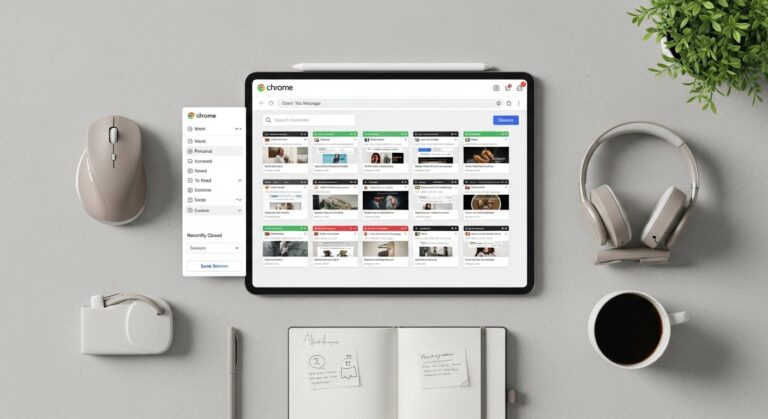
[INLINE IMAGE 2: place after fourth H2 | alt=”best pkm tools 2026 comparison illustration”]
Deep Dive: The Best PKM Tools 2026 in Detail
Having explored the categories and selection criteria, let’s delve into specific tools that stand out as the best PKM tools 2026 has to offer. We’ll examine their strengths, unique features, and who they’re best suited for.
1. Obsidian: The Local-First Knowledge Powerhouse
Obsidian has cemented its position as a top contender for serious knowledge workers. It’s a powerful, local-first note-taking and knowledge base application that operates on plain Markdown files stored on your computer. This approach ensures data ownership and future-proofing, as your notes are always accessible without relying on a proprietary service.
- Strengths:
- Bi-directional Linking & Graph View: Effortlessly link notes and visualize their relationships, fostering deep connections between ideas.
- Extensive Plugin Ecosystem: A vibrant community has developed thousands of plugins for everything from task management and spaced repetition to advanced data visualization and AI integrations.
- Markdown-Centric: Uses a universal, human-readable format, making notes highly portable.
- Customization: Highly customizable with themes, CSS snippets, and keyboard shortcuts.
- Privacy & Data Ownership: Your data stays on your device, giving you complete control.
- Best For: Researchers, writers, developers, academics, and anyone who prioritizes data ownership, deep customization, and building an interconnected web of knowledge.
Obsidian’s flexibility means it can be adapted to almost any PKM methodology, from Zettelkasten to PARA. Its ability to integrate with services like Readwise (via plugins) and its robust search capabilities make it an unparalleled hub for synthesized knowledge. For those looking for a truly personal and extensible system, it’s easily among the best PKM tools 2026 has to offer.
2. Notion: The All-in-One Workspace for Team and Individual
Notion transcends simple note-taking; it’s a versatile workspace that combines notes, databases, wikis, project management, and collaboration tools into a single platform. Its block-based editor and customizable pages make it incredibly flexible for a wide range of uses, from personal journaling to managing complex team projects.
- Strengths:
- Extreme Flexibility: Build almost anything – wikis, databases, task lists, CRMs, personal dashboards – with its modular block system.
- Collaborative Features: Excellent for teams, allowing real-time editing, comments, and permissions.
- Templates: A vast library of community and official templates to jumpstart any project or knowledge base.
- Powerful Databases: Create linked databases with various views (table, board, calendar, gallery) to manage structured information.
- AI Integration: Built-in Notion AI assists with writing, summarizing, brainstorming, and translating content.
- Best For: Students, freelancers, startups, small teams, and individuals who prefer an all-in-one solution that can adapt to evolving needs for both personal and professional knowledge management.
While some find its infinite flexibility overwhelming initially, Notion’s power lies in its ability to consolidate disparate tools. When integrated effectively with browser extensions like bookmarksharer for web content capture, it becomes a formidable PKM hub. Discover how to integrate bookmarksharer with Notion for enhanced productivity.
3. Logseq: The Outliner’s Bi-Directional Dream
Logseq offers a fresh perspective on PKM by combining the power of an outliner with the insights of a bi-directionally linked knowledge graph. Like Obsidian, it’s local-first and Markdown-based, prioritizing data ownership. Its daily journal is at the core, encouraging consistent capture and reflection.
- Strengths:
- Outliner-First Design: Excellent for structured thinking, brainstorming, and rapidly capturing thoughts in a hierarchical format.
- Block Referencing: Link to individual blocks of text, not just entire pages, allowing for granular connection of ideas.
- Daily Journal: Encourages a consistent habit of capturing notes, tasks, and reflections each day.
- Local-First & Open Source: Full data ownership and a transparent development process.
- Querying Capabilities: Powerful queries allow you to pull together information dynamically based on tags, properties, or links.
- Best For: Researchers, writers, students, and anyone who prefers an outlining approach to note-taking and wants deep, granular control over their knowledge graph while maintaining data privacy.
Logseq excels at creating a “thought stream” that evolves over time. Its unique blend of outlining, journaling, and graph capabilities makes it one of the most intellectually stimulating and effective best PKM tools 2026 has to offer for deep knowledge work.
4. Raindrop.io: The Visual Bookmark Maestro
For those whose knowledge primarily stems from the web, Raindrop.io stands out as an indispensable PKM tool. It’s a visually rich and incredibly powerful bookmark manager that goes far beyond simply saving links. Raindrop.io helps you curate, organize, and retrieve web content with unmatched elegance and efficiency.
- Strengths:
- Rich Previews & Visuals: Every saved bookmark gets a rich preview with screenshots and details, making it easy to find what you’re looking for.
- Advanced Organization: Create nested collections, apply multiple tags, and add detailed descriptions.
- Full-Text Search: Search within the content of saved web pages, even if you didn’t highlight or tag specific keywords.
- Seamless Capture: Browser extensions, mobile apps, and email forwarding make saving content effortless.
- Collaboration: Share collections with others for collaborative research or content curation.
- Best For: Researchers, content creators, digital marketers, students, and anyone who accumulates a large volume of web-based resources and needs a powerful, visual system to manage them.
As a core component of web-centric PKM, Raindrop.io works beautifully alongside note-taking apps. Its ability to capture and contextualize web links makes it a leading choice among the best PKM tools 2026 for external information management.
5. Readwise Reader: The Unified Reading & Highlighting Hub
Readwise Reader is revolutionizing how we consume and process information from the web. It aims to be your single inbox for all reading material—web articles, PDFs, newsletters, and even Twitter threads. Its true power lies in its seamless integration with Readwise’s highlight synchronization, allowing you to easily export your insights to your note-taking app of choice.
- Strengths:
- Universal Inbox: Send anything to Reader and consume it in a clean, distraction-free environment.
- Powerful Highlighting & Annotations: Easily highlight text, images, and add notes, all synced to your Readwise account.
- AI-Powered Summarization: Get quick summaries of articles directly within the app.
- Ghostreader AI Chatbot: Interact with an AI to ask questions about the text you’re reading, get definitions, or elaborate on concepts.
- Seamless Export: Automatically export highlights and notes to Obsidian, Notion, Evernote, Roam, and more.
- Best For: Avid readers, researchers, lifelong learners, and anyone looking to streamline their information consumption process and integrate insights directly into their personal knowledge base.
Reader is designed to be the bridge between external information and your internal knowledge system. For those serious about extracting value from what they read, it’s an undeniable entry among the best PKM tools 2026 for knowledge acquisition.
PKM Tool Comparison Table (2026)
To help you compare some of the leading PKM tools, here’s a snapshot of their key features and ideal use cases:
| Feature/Tool | Obsidian | Notion | Logseq | Raindrop.io | Readwise Reader |
|---|---|---|---|---|---|
| Primary Focus | Local-first note-taking, Zettelkasten | All-in-one workspace, Databases | Outliner, Bi-directional linking, Daily notes | Web content curation, Bookmarking | Unified reading inbox, Highlighting, Export |
| Data Storage | Local Markdown files | Cloud-based (proprietary) | Local Markdown files | Cloud-based (proprietary) | Cloud-based (proprietary) |
| Key Features | Graph view, Plugins, Markdown, Daily notes | Databases, Templates, AI, Collaboration | Outlining, Block referencing, Queries, Journal | Visual previews, Full-text search, Collections | Universal inbox, AI summarization, Highlight export |
| AI Capabilities | Via plugins (e.g., Smart Connections) | Built-in Notion AI (summarize, brainstorm) | Via plugins | Limited (e.g., smart tagging) | Built-in (summaries, Ghostreader chatbot) |
| Collaboration | Limited (file sync) | Excellent, real-time | Limited (file sync) | Good (shared collections) | Limited |
| Pricing Model | Free (Sync service paid) | Free personal plan, Paid team plans | Free (Sync service paid) | Free, Paid Pro plan | Paid subscription (Readwise ecosystem) |
| Ideal User | Researchers, writers, privacy-focused | Teams, flexible personal workspace users | Outliner enthusiasts, daily note-takers | Web curators, visual organizers | Avid readers, learners, content consumers |
Emerging Trends and The Future of PKM in 2026 and Beyond
The PKM landscape is far from static. As we look through 2026 and towards the end of the decade, several trends are shaping the future of how we manage personal knowledge.
Hyper-Personalization Driven by Advanced AI
While AI is already integrated, future PKM tools will offer increasingly sophisticated personalization. Imagine systems that not only suggest links but actively learn your thinking patterns, anticipate your needs, and pre-organize information in ways that uniquely resonate with your cognitive style. AI will move beyond mere assistance to become a true cognitive partner, helping you identify blind spots and make novel connections.
For example, AI could analyze your past research, current projects, and even your mood to recommend specific articles or notes, effectively acting as a hyper-personalized research assistant that understands your evolving interests. Explore the transformative power of AI in PKM.
Seamless Cross-Platform & Device Integration
The friction between devices and operating systems will continue to diminish. Expect truly ubiquitous access where your PKM system feels native on your phone, tablet, desktop, and even future augmented reality (AR) interfaces. Sync will become instantaneous and invisible, allowing you to capture and access knowledge from any context without interruption.
Enhanced Collaborative Knowledge Building
While PKM is “personal,” knowledge creation is often collaborative. Future tools will blur the lines between individual and shared knowledge bases, offering more sophisticated ways to contribute, synthesize, and manage collective intelligence without sacrificing individual control. This will be particularly relevant for research teams, educational institutions, and remote workforces.
Focus on Digital Well-being and Information Overload Mitigation
The very tools designed to help us manage information can sometimes contribute to overload. Future PKM systems will increasingly incorporate features aimed at digital well-being, such as intelligent filters, curated summaries, scheduled deep-work modes, and tools that help identify and prune irrelevant or redundant information, ensuring your “second brain” remains lean and effective.
Integration with Emerging Technologies (AR/VR/Brain-Computer Interfaces)
Looking further into the future, we might see PKM tools integrating with AR/VR environments, allowing for spatial organization of knowledge in immersive digital spaces. Even more speculative, early-stage brain-computer interfaces could offer entirely new paradigms for direct thought capture and retrieval, blurring the lines between mind and machine in knowledge management. While nascent, these possibilities inform the trajectory of the best PKM tools 2026 will inspire.
Building Your Personalized PKM System: A Strategy for 2026
Choosing the best PKM tools 2026 has to offer is only the first step. The true power of Personal Knowledge Management lies in how you integrate these tools into a cohesive system that supports your unique workflow. Here’s a strategic approach to building your personalized PKM system:
1. Assess Your Current Needs and Pain Points
Before adopting any new tool, take stock of your existing workflow. What kind of information do you primarily consume? How do you currently take notes? What frustrates you most about your current system (or lack thereof)? Are you a visual thinker, a linear note-taker, or someone who thrives on interconnected ideas? Understanding your habits and requirements will guide your tool selection.
- Example: If you mostly save web articles for later, a strong bookmark manager like Raindrop.io or bookmarksharer combined with a read-it-later app like Readwise Reader might be your starting point. If you generate many ideas and want to connect them deeply, Obsidian or Logseq might be more suitable.
2. Start Small and Iterate
Resist the urge to adopt every “best” tool at once. Begin with one or two core tools that address your most pressing needs. Learn them thoroughly, build habits, and then gradually introduce other tools as your system evolves and new needs arise. A minimalist approach often leads to greater long-term success than an overly complex setup from day one.
3. Focus on Capture Habits
The most sophisticated PKM system is useless if you don’t consistently capture information. Develop reliable habits for saving notes, bookmarks, and ideas as they come. Use browser extensions, mobile apps, and quick capture methods to minimize friction. The goal is to make capturing knowledge almost effortless, ensuring no valuable insight slips away.
4. Embrace Interconnection and Linking
The real magic of PKM happens when your knowledge is interconnected. Actively seek to link related ideas, create tags, and build relationships between notes and resources. Tools with bidirectional linking (like Obsidian or Logseq) excel at this, but even simpler systems benefit from consistent tagging and cross-referencing. This transforms a collection of disparate notes into a dynamic, searchable, and insightful knowledge graph.
5. Review and Refine Regularly
Your PKM system isn’t a static entity; it’s a living, breathing part of your intellectual life. Schedule regular review sessions (weekly, monthly, or quarterly) to:
- Process your inbox and ephemeral notes.
- Refine your tags and categories.
- Identify orphaned notes and integrate them.
- Prune outdated or irrelevant information.
- Reflect on what’s working and what isn’t, making adjustments as needed.
This iterative process ensures your PKM system remains optimized for your evolving needs and keeps your knowledge base clean and useful.
6. The “Second Brain” Philosophy
Many successful PKM users adopt the “Second Brain” philosophy, popularized by Tiago Forte. This framework emphasizes building a trusted digital system where you can store and organize all your knowledge, ideas, and projects. It’s about offloading mental clutter to free up your mind for creative work and critical thinking. The core principles often involve:
- Capture: Reliably saving anything that resonates with you.
- Organize: Structuring information in a way that makes sense to you (e.g., using the PARA method).
- Distill: Summarizing and identifying key takeaways.
- Express: Using your knowledge to create, share, and produce work.
The best PKM tools 2026 provides are designed to facilitate each of these stages, making the “Second Brain” concept more accessible and powerful than ever before.
Conclusion: Empowering Your Digital Mind in 2026
The year 2026 presents both challenges and unparalleled opportunities in the realm of information. The relentless pace of digital content generation makes effective Personal Knowledge Management not just advantageous, but essential. By strategically adopting the best PKM tools 2026 has to offer, you can transform a chaotic stream of data into a wellspring of wisdom and productivity.
Whether you gravitate towards the local-first power of Obsidian or Logseq, the all-in-one flexibility of Notion, the web-centric mastery of Raindrop.io, or the reading efficiency of Readwise Reader, the key is to choose tools that resonate with your personal style and integrate seamlessly into your daily life. Remember, the most powerful PKM system is one that you consistently use, iterate upon, and trust to be the external extension of your mind.
At bookmarksharer, we are committed to helping you navigate this exciting landscape, providing you with the insights and tools to build a knowledge management system that truly empowers your learning, creativity, and productivity for years to come. Start building your digital brain today and unlock your full potential.
Frequently Asked Questions
Q1: What does PKM stand for?
A1: PKM stands for Personal Knowledge Management. It refers to the process of an individual collecting, classifying, storing, searching, retrieving, and sharing knowledge to enhance personal learning, decision-making, and productivity.
Q2: Why is PKM more important in 2026 than ever before?
A2: In 2026, we face an unprecedented volume of digital information, often leading to information overload and cognitive fatigue. PKM provides the necessary framework and tools to manage this deluge, allowing individuals to filter noise, synthesize insights, and leverage their knowledge effectively in a rapidly evolving digital world. AI-driven content further necessitates robust PKM skills to curate and validate information.
Q3: Can I build an effective PKM system using free tools?
A3: Absolutely. Many excellent PKM tools, such as Obsidian and Logseq, offer robust free versions that allow you to build sophisticated knowledge bases. Tools like Notion and Raindrop.io also provide generous free tiers. The key is to select tools that meet your core needs and to focus on developing consistent capture and organization habits.
Q4: What’s the difference between a note-taking app and a PKM tool?
A4: A note-taking app is a component of a PKM system, primarily focused on capturing text and ideas. A PKM tool or system is a broader concept that encompasses not just note-taking but also the organization, retrieval, connection, and application of all forms of knowledge (notes, bookmarks, documents, ideas) into a cohesive, interconnected “second brain.” Many advanced note-taking apps (like Obsidian or Logseq) are considered full PKM tools due to their linking and knowledge graph features.
Q5: How do AI features enhance PKM tools in 2026?
A5: In 2026, AI significantly enhances PKM tools by offering capabilities like intelligent search (understanding context beyond keywords), automated summarization of long texts, suggesting connections between disparate notes, generating knowledge graphs, and even providing an AI chatbot to interact with your stored information. These features save time, reduce cognitive load, and help users extract deeper insights from their knowledge base.
Q6: How does bookmarksharer fit into a comprehensive PKM system?
A6: bookmarksharer serves as a crucial component for managing external web-based knowledge within a PKM system. It excels at saving, organizing, tagging, and curating web links and articles, often acting as the “capture” point for valuable online resources. By integrating bookmarksharer with note-taking apps like Obsidian or Notion, users can easily link web sources to their internal notes, ensuring a rich, contextualized, and easily retrievable knowledge base that bridges external information with personal insights.
The Best PKM Tools 2026: Revolutionize Your Knowledge Management
Affiliate disclosure: This article may contain affiliate links. Recommendations are independent and editorially driven.
In an era defined by information overload, the ability to effectively capture, organize, and retrieve knowledge is no longer a luxury—it’s a fundamental skill for productivity, creativity, and personal growth. As we navigate 2026, the landscape of Personal Knowledge Management (PKM) tools has evolved dramatically, offering unprecedented capabilities to transform raw data into actionable insights and a true digital extension of your mind. For anyone looking to master their information flow, understanding and implementing the best PKM tools 2026 has to offer is paramount.
At bookmarksharer, we understand the critical role that efficient knowledge management plays in everything from academic research and professional development to personal learning and creative endeavors. Our mission is to help you cut through the noise and identify the platforms that genuinely empower you to build a robust and future-proof personal knowledge system. This comprehensive guide will explore the top contenders, emerging trends, and essential considerations for choosing the best PKM tools in 2026.
What Exactly is Personal Knowledge Management (PKM) and Why Does it Matter in 2026?
Personal Knowledge Management (PKM) refers to the process by which individuals collect, classify, store, search, retrieve, and share knowledge in their daily activities. It’s a dynamic system designed to help you make sense of the vast amount of information you encounter, allowing you to learn faster, think more clearly, and produce better work. In essence, PKM is about cultivating your own personal “second brain” – a trusted system where your ideas, notes, bookmarks, and insights reside, interconnected and readily accessible.
The Digital Deluge and the Need for PKM
The year 2026 finds us deeper than ever in the digital age, where information is abundant, often overwhelming, and constantly flowing. From endless articles and social media feeds to online courses and digital meetings, our cognitive load is constantly challenged. Without a structured approach, valuable insights can be lost, ideas forgotten, and productivity hampered by the sheer volume of data. PKM provides the framework to not just cope with, but thrive in, this environment.
Benefits of a Robust PKM System in 2026
- Enhanced Learning & Retention: By actively processing and organizing information, you deepen your understanding and improve memory recall.
- Boosted Creativity & Innovation: Connecting disparate ideas within your knowledge base often sparks new insights and creative solutions.
- Increased Productivity & Efficiency: Quickly finding what you need eliminates wasted time searching and re-learning, allowing you to focus on high-value tasks.
- Better Decision-Making: Access to a well-organized body of knowledge leads to more informed and confident decisions.
- Reduced Cognitive Overload: Offloading information to a trusted system frees up mental bandwidth for critical thinking and problem-solving.
- Future-Proofing Your Knowledge: A well-maintained PKM system ensures your accumulated wisdom remains valuable and accessible for years to come.
As we advance further into the decade, with AI-driven content generation and increasingly complex digital ecosystems, the ability to curate, synthesize, and leverage personal knowledge will be a defining characteristic of successful individuals and professionals. The best PKM tools 2026 offers are designed to be the backbone of this critical capability.
[INLINE IMAGE 1: place after second H2 | alt=”best pkm tools 2026 concept illustration”]
Core Categories of PKM Tools Dominating in 2026
The PKM landscape is diverse, with tools specializing in various aspects of knowledge capture and organization. While many modern tools offer overlapping functionalities, they generally fall into distinct categories. Understanding these categories is crucial for identifying the best PKM tools 2026 has to offer that align with your specific needs.
Note-Taking & Zettelkasten Apps
At the heart of most PKM systems are note-taking applications. These tools are designed for capturing thoughts, meeting notes, research snippets, and personal reflections. The Zettelkasten method, with its emphasis on atomic notes and bidirectional linking, has heavily influenced the design of many leading apps.
- Obsidian: A local-first, Markdown-based app known for its robust graph view, extensive plugin ecosystem, and emphasis on plain text files for future-proofing your knowledge. It’s a favorite for those seeking full control over their data.
- Logseq: Similar to Obsidian in its local-first and Markdown approach, Logseq stands out with its outliner-first interface, powerful block-referencing, and daily journal focus, making it ideal for daily note-taking and task management integrated with knowledge.
- Roam Research: Often credited with popularizing bidirectional linking, Roam provides a unique “daily notes” first experience and a powerful graph database for connecting ideas, fostering organic knowledge growth.
- Notion: While more of an all-in-one workspace, Notion’s flexible page structure, databases, and linking capabilities make it a formidable note-taking and knowledge base tool, especially for collaborative environments.
- Evernote: A long-standing player, Evernote continues to evolve with powerful web clipping, advanced search, and AI-powered features for summarization and related note suggestions.
Bookmark Managers & Web Clippers
The internet is an endless source of information, and effectively managing web links, articles, and research is a cornerstone of PKM. Bookmark managers and web clippers allow you to save, tag, annotate, and organize web content for future reference, preventing valuable resources from getting lost in your browser history.
- Raindrop.io: A visually stunning and highly functional bookmark manager that allows for robust categorization, tagging, and even full-text search of saved pages. It excels at preserving the context of web content.
- Pocket: A popular “read-it-later” service that focuses on saving articles and videos for offline consumption, with good tagging and recommendation features.
- Instapaper: Similar to Pocket, Instapaper offers a clean reading experience, offline access, and the ability to highlight and annotate saved articles.
- bookmarksharer (our own platform): Designed for power users, bookmarksharer offers advanced tagging, collection management, public/private sharing options, and deep integration with other knowledge workflows, making it a powerful hub for web-based research and curation. Learn more about bookmarksharer’s advanced features.
- Readwise Reader: More than just a bookmark manager, Reader aims to be a single inbox for all your reading material—articles, PDFs, emails, and even RSS feeds—with powerful highlighting, note-taking, and AI summarization features that integrate directly with popular note-taking apps.
Mind Mapping & Visual Organization Tools
For those who think visually, mind mapping and canvas-based tools offer a spatial way to organize thoughts, brainstorm ideas, and see connections that might not be apparent in linear notes.
- Miro: A highly versatile online collaborative whiteboard platform perfect for mind maps, brainstorming, visual project planning, and creating expansive knowledge canvases.
- Scrintal: Combines visual thinking with a note-taking database, allowing users to connect notes and ideas on a digital canvas, fostering a more intuitive exploration of knowledge.
- Whimsical: Offers a suite of visual workspace tools, including mind maps, flowcharts, and wireframes, with a focus on simplicity and speed for quick idea generation and organization.
Task Managers with Knowledge Integration
While primarily for task management, many tools in this category have evolved to incorporate knowledge management features, allowing you to link tasks to relevant notes, documents, or research, providing context and ensuring nothing falls through the cracks.
- Todoist: Integrates well with many note-taking apps, allowing users to link tasks directly to supporting documentation.
- TickTick: Offers a robust task management system with built-in note-taking, calendar, and habit tracking, providing a more integrated approach to daily productivity and knowledge use.
- ClickUp: A comprehensive work management platform that can be configured to serve as a powerful PKM hub, with extensive linking, document creation, and collaborative features.
“Digital Brain” and Second Brain Systems
These aren’t single tools but rather methodologies and combinations of tools designed to create a holistic, interconnected system for all your knowledge. Often, they involve integrating several tools from the categories above to form a cohesive ecosystem. The goal is to build a “second brain” that acts as an external repository for all your thoughts, ideas, and information, allowing you to retrieve it precisely when needed.
- PARA Method (Tiago Forte): A widely adopted organizational framework (Projects, Areas, Resources, Archives) that can be implemented across various PKM tools, providing a structured approach to managing information.
- Linked-Note Ecosystems: Combining tools like Obsidian/Logseq with Readwise and a robust bookmark manager (like bookmarksharer or Raindrop.io) to create a seamless flow from capture to synthesis.
Critical Factors for Choosing the Best PKM Tools 2026
With an abundance of excellent options, selecting the right PKM tools can feel daunting. The “best” tool isn’t universal; it’s the one that best fits your individual workflow, preferences, and long-term goals. Here are the crucial factors to consider when making your decision in 2026:
1. Interoperability & Integrations
In 2026, no PKM tool exists in a vacuum. The ability of your chosen tool to integrate seamlessly with other applications is paramount. This includes connections with calendar apps, email clients, project management software, and especially other PKM components like bookmark managers or read-it-later services. Look for robust APIs, native integrations, and support for open standards (like Markdown) that ensure your knowledge isn’t siloed.
- Example: A strong PKM setup might involve Readwise Reader for capturing web content and highlights, automatically syncing them to Obsidian for deep linking and knowledge synthesis, and using bookmarksharer for long-term organization of key web resources.
2. AI Capabilities & Intelligent Assistance
Artificial intelligence has fundamentally reshaped the PKM landscape. In 2026, advanced AI features are becoming standard, offering significant advantages:
- Smart Search: Beyond keyword matching, AI-powered search can understand context, identify related concepts, and even answer natural language queries based on your stored knowledge.
- Summarization: AI can distill long articles, PDFs, or meeting notes into concise summaries, saving valuable time.
- Knowledge Graph Generation: Some tools use AI to automatically identify relationships between your notes, suggesting links and building a more robust personal knowledge graph.
- Content Curation & Recommendations: AI can suggest related articles or internal notes based on what you’re currently working on, proactively surfacing relevant information.
- Intelligent OCR & Transcription: Automated text recognition from images and audio transcription of voice notes make capturing diverse content effortless.
3. Data Ownership & Privacy
Your personal knowledge is incredibly valuable. Understanding where and how your data is stored is a critical consideration. Do you prefer cloud-based storage for ubiquitous access, or local-first storage for maximum control and privacy? Some tools offer encryption, while others allow you to choose your own cloud provider.
- Local-First: Tools like Obsidian and Logseq store your notes as plain text files on your device, giving you complete ownership and control. You can then choose your own sync method (e.g., Dropbox, Google Drive, iCloud).
- Cloud-Based: Notion, Evernote, and Roam Research typically store your data in their proprietary cloud infrastructure, offering easy sync across devices but requiring trust in their security protocols.
4. Offline Access & Seamless Sync
Modern life demands flexibility. Your PKM tools should work reliably even when you’re without an internet connection and sync effortlessly across all your devices once you’re back online. This ensures you can capture ideas the moment they strike, regardless of your location.
5. User Interface (UI) & Customization
The best PKM tool is one you’ll actually use consistently. A clean, intuitive, and aesthetically pleasing user interface can significantly impact your adoption and long-term engagement. Furthermore, the ability to customize the interface, themes, and even workflow elements (e.g., through plugins or templates) can tailor the tool to your unique needs and preferences.
6. Cost & Licensing Models
PKM tools range from entirely free open-source options to subscription-based services with varying tiers. Consider your budget and the value proposition. Some tools offer robust free tiers suitable for many users, while others provide advanced features that justify a monthly or annual fee. Be mindful of potential hidden costs or limitations on free versions.
7. Community & Support
A vibrant user community can be an invaluable resource for learning tips, troubleshooting, and discovering new ways to leverage your PKM tool. Active forums, Discord servers, and online tutorials indicate a healthy ecosystem. Responsive customer support is also crucial for addressing technical issues or questions.
By carefully weighing these factors against your personal workflow and knowledge management goals, you can confidently select the best PKM tools 2026 has to offer to build your enduring digital brain.
[INLINE IMAGE 2: place after fourth H2 | alt=”best pkm tools 2026 comparison illustration”]
Deep Dive: The Best PKM Tools 2026 in Detail
Having explored the categories and selection criteria, let’s delve into specific tools that stand out as the best PKM tools 2026 has to offer. We’ll examine their strengths, unique features, and who they’re best suited for.
1. Obsidian: The Local-First Knowledge Powerhouse
Obsidian has cemented its position as a top contender for serious knowledge workers. It’s a powerful, local-first note-taking and knowledge base application that operates on plain Markdown files stored on your computer. This approach ensures data ownership and future-proofing, as your notes are always accessible without relying on a proprietary service.
- Strengths:
- Bi-directional Linking & Graph View: Effortlessly link notes and visualize their relationships, fostering deep connections between ideas.
- Extensive Plugin Ecosystem: A vibrant community has developed thousands of plugins for everything from task management and spaced repetition to advanced data visualization and AI integrations.
- Markdown-Centric: Uses a universal, human-readable format, making notes highly portable.
- Customization: Highly customizable with themes, CSS snippets, and keyboard shortcuts.
- Privacy & Data Ownership: Your data stays on your device, giving you complete control.
- Best For: Researchers, writers, developers, academics, and anyone who prioritizes data ownership, deep customization, and building an interconnected web of knowledge.
Obsidian’s flexibility means it can be adapted to almost any PKM methodology, from Zettelkasten to PARA. Its ability to integrate with services like Readwise (via plugins) and its robust search capabilities make it an unparalleled hub for synthesized knowledge. For those looking for a truly personal and extensible system, it’s easily among the best PKM tools 2026 has to offer.
2. Notion: The All-in-One Workspace for Team and Individual
Notion transcends simple note-taking; it’s a versatile workspace that combines notes, databases, wikis, project management, and collaboration tools into a single platform. Its block-based editor and customizable pages make it incredibly flexible for a wide range of uses, from personal journaling to managing complex team projects.
- Strengths:
- Extreme Flexibility: Build almost anything – wikis, databases, task lists, CRMs, personal dashboards – with its modular block system.
- Collaborative Features: Excellent for teams, allowing real-time editing, comments, and permissions.
- Templates: A vast library of community and official templates to jumpstart any project or knowledge base.
- Powerful Databases: Create linked databases with various views (table, board, calendar, gallery) to manage structured information.
- AI Integration: Built-in Notion AI assists with writing, summarizing, brainstorming, and translating content.
- Best For: Students, freelancers, startups, small teams, and individuals who prefer an all-in-one solution that can adapt to evolving needs for both personal and professional knowledge management.
While some find its infinite flexibility overwhelming initially, Notion’s power lies in its ability to consolidate disparate tools. When integrated effectively with browser extensions like bookmarksharer for web content capture, it becomes a formidable PKM hub. Discover how to integrate bookmarksharer with Notion for enhanced productivity.
3. Logseq: The Outliner’s Bi-Directional Dream
Logseq offers a fresh perspective on PKM by combining the power of an outliner with the insights of a bi-directionally linked knowledge graph. Like Obsidian, it’s local-first and Markdown-based, prioritizing data ownership. Its daily journal is at the core, encouraging consistent capture and reflection.
- Strengths:
- Outliner-First Design: Excellent for structured thinking, brainstorming, and rapidly capturing thoughts in a hierarchical format.
- Block Referencing: Link to individual blocks of text, not just entire pages, allowing for granular connection of ideas.
- Daily Journal: Encourages a consistent habit of capturing notes, tasks, and reflections each day.
- Local-First & Open Source: Full data ownership and a transparent development process.
- Querying Capabilities: Powerful queries allow you to pull together information dynamically based on tags, properties, or links.
- Best For: Researchers, writers, students, and anyone who prefers an outlining approach to note-taking and wants deep, granular control over their knowledge graph while maintaining data privacy.
Logseq excels at creating a “thought stream” that evolves over time. Its unique blend of outlining, journaling, and graph capabilities makes it one of the most intellectually stimulating and effective best PKM tools 2026 has to offer for deep knowledge work.
4. Raindrop.io: The Visual Bookmark Maestro
For those whose knowledge primarily stems from the web, Raindrop.io stands out as an indispensable PKM tool. It’s a visually rich and incredibly powerful bookmark manager that goes far beyond simply saving links. Raindrop.io helps you curate, organize, and retrieve web content with unmatched elegance and efficiency.
- Strengths:
- Rich Previews & Visuals: Every saved bookmark gets a rich preview with screenshots and details, making it easy to find what you’re looking for.
- Advanced Organization: Create nested collections, apply multiple tags, and add detailed descriptions.
- Full-Text Search: Search within the content of saved web pages, even if you didn’t highlight or tag specific keywords.
- Seamless Capture: Browser extensions, mobile apps, and email forwarding make saving content effortless.
- Collaboration: Share collections with others for collaborative research or content curation.
- Best For: Researchers, content creators, digital marketers, students, and anyone who accumulates a large volume of web-based resources and needs a powerful, visual system to manage them.
As a core component of web-centric PKM, Raindrop.io works beautifully alongside note-taking apps. Its ability to capture and contextualize web links makes it a leading choice among the best PKM tools 2026 for external information management.
5. Readwise Reader: The Unified Reading & Highlighting Hub
Readwise Reader is revolutionizing how we consume and process information from the web. It aims to be your single inbox for all reading material—web articles, PDFs, newsletters, and even Twitter threads. Its true power lies in its seamless integration with Readwise’s highlight synchronization, allowing you to easily export your insights to your note-taking app of choice.
- Strengths:
- Universal Inbox: Send anything to Reader and consume it in a clean, distraction-free environment.
- Powerful Highlighting & Annotations: Easily highlight text, images, and add notes, all synced to your Readwise account.
- AI-Powered Summarization: Get quick summaries of articles directly within the app.
- Ghostreader AI Chatbot: Interact with an AI to ask questions about the text you’re reading, get definitions, or elaborate on concepts.
- Seamless Export: Automatically export highlights and notes to Obsidian, Notion, Evernote, Roam, and more.
- Best For: Avid readers, researchers, lifelong learners, and anyone looking to streamline their information consumption process and integrate insights directly into their personal knowledge base.
Reader is designed to be the bridge between external information and your internal knowledge system. For those serious about extracting value from what they read, it’s an undeniable entry among the best PKM tools 2026 for knowledge acquisition.
PKM Tool Comparison Table (2026)
To help you compare some of the leading PKM tools, here’s a snapshot of their key features and ideal use cases:
| Feature/Tool | Obsidian | Notion | Logseq | Raindrop.io | Readwise Reader |
|---|---|---|---|---|---|
| Primary Focus | Local-first note-taking, Zettelkasten | All-in-one workspace, Databases | Outliner, Bi-directional linking, Daily notes | Web content curation, Bookmarking | Unified reading inbox, Highlighting, Export |
| Data Storage | Local Markdown files | Cloud-based (proprietary) | Local Markdown files | Cloud-based (proprietary) | Cloud-based (proprietary) |
| Key Features | Graph view, Plugins, Markdown, Daily notes | Databases, Templates, AI, Collaboration | Outlining, Block referencing, Queries, Journal | Visual previews, Full-text search, Collections | Universal inbox, AI summarization, Highlight export |
| AI Capabilities | Via plugins (e.g., Smart Connections) | Built-in Notion AI (summarize, brainstorm) | Via plugins | Limited (e.g., smart tagging) | Built-in (summaries, Ghostreader chatbot) |
| Collaboration | Limited (file sync) | Excellent, real-time | Limited (file sync) | Good (shared collections) | Limited |
| Pricing Model | Free (Sync service paid) | Free personal plan, Paid team plans | Free (Sync service paid) | Free, Paid Pro plan | Paid subscription (Readwise ecosystem) |
| Ideal User | Researchers, writers, privacy-focused | Teams, flexible personal workspace users | Outliner enthusiasts, daily note-takers | Web curators, visual organizers | Avid readers, learners, content consumers |
Emerging Trends and The Future of PKM in 2026 and Beyond
The PKM landscape is far from static. As we look through 2026 and towards the end of the decade, several trends are shaping the future of how we manage personal knowledge.
Hyper-Personalization Driven by Advanced AI
While AI is already integrated, future PKM tools will offer increasingly sophisticated personalization. Imagine systems that not only suggest links but actively learn your thinking patterns, anticipate your needs, and pre-organize information in ways that uniquely resonate with your cognitive style. AI will move beyond mere assistance to become a true cognitive partner, helping you identify blind spots and make novel connections.
For example, AI could analyze your past research, current projects, and even your mood to recommend specific articles or notes, effectively acting as a hyper-personalized research assistant that understands your evolving interests. Explore the transformative power of AI in PKM.
Seamless Cross-Platform & Device Integration
The friction between devices and operating systems will continue to diminish. Expect truly ubiquitous access where your PKM system feels native on your phone, tablet, desktop, and even future augmented reality (AR) interfaces. Sync will become instantaneous and invisible, allowing you to capture and access knowledge from any context without interruption.
Enhanced Collaborative Knowledge Building
While PKM is “personal,” knowledge creation is often collaborative. Future tools will blur the lines between individual and shared knowledge bases, offering more sophisticated ways to contribute, synthesize, and manage collective intelligence without sacrificing individual control. This will be particularly relevant for research teams, educational institutions, and remote workforces.
Focus on Digital Well-being and Information Overload Mitigation
The very tools designed to help us manage information can sometimes contribute to overload. Future PKM systems will increasingly incorporate features aimed at digital well-being, such as intelligent filters, curated summaries, scheduled deep-work modes, and tools that help identify and prune irrelevant or redundant information, ensuring your “second brain” remains lean and effective.
Integration with Emerging Technologies (AR/VR/Brain-Computer Interfaces)
Looking further into the future, we might see PKM tools integrating with AR/VR environments, allowing for spatial organization of knowledge in immersive digital spaces. Even more speculative, early-stage brain-computer interfaces could offer entirely new paradigms for direct thought capture and retrieval, blurring the lines between mind and machine in knowledge management. While nascent, these possibilities inform the trajectory of the best PKM tools 2026 will inspire.
Building Your Personalized PKM System: A Strategy for 2026
Choosing the best PKM tools 2026 has to offer is only the first step. The true power of Personal Knowledge Management lies in how you integrate these tools into a cohesive system that supports your unique workflow. Here’s a strategic approach to building your personalized PKM system:
1. Assess Your Current Needs and Pain Points
Before adopting any new tool, take stock of your existing workflow. What kind of information do you primarily consume? How do you currently take notes? What frustrates you most about your current system (or lack thereof)? Are you a visual thinker, a linear note-taker, or someone who thrives on interconnected ideas? Understanding your habits and requirements will guide your tool selection.
- Example: If you mostly save web articles for later, a strong bookmark manager like Raindrop.io or bookmarksharer combined with a read-it-later app like Readwise Reader might be your starting point. If you generate many ideas and want to connect them deeply, Obsidian or Logseq might be more suitable.
2. Start Small and Iterate
Resist the urge to adopt every “best” tool at once. Begin with one or two core tools that address your most pressing needs. Learn them thoroughly, build habits, and then gradually introduce other tools as your system evolves and new needs arise. A minimalist approach often leads to greater long-term success than an overly complex setup from day one.
3. Focus on Capture Habits
The most sophisticated PKM system is useless if you don’t consistently capture information. Develop reliable habits for saving notes, bookmarks, and ideas as they come. Use browser extensions, mobile apps, and quick capture methods to minimize friction. The goal is to make capturing knowledge almost effortless, ensuring no valuable insight slips away.
4. Embrace Interconnection and Linking
The real magic of PKM happens when your knowledge is interconnected. Actively seek to link related ideas, create tags, and build relationships between notes and resources. Tools with bidirectional linking (like Obsidian or Logseq) excel at this, but even simpler systems benefit from consistent tagging and cross-referencing. This transforms a collection of disparate notes into a dynamic, searchable, and insightful knowledge graph.
5. Review and Refine Regularly
Your PKM system isn’t a static entity; it’s a living, breathing part of your intellectual life. Schedule regular review sessions (weekly, monthly, or quarterly) to:
- Process your inbox and ephemeral notes.
- Refine your tags and categories.
- Identify orphaned notes and integrate them.
- Prune outdated or irrelevant information.
- Reflect on what’s working and what isn’t, making adjustments as needed.
This iterative process ensures your PKM system remains optimized for your evolving needs and keeps your knowledge base clean and useful.
6. The “Second Brain” Philosophy
Many successful PKM users adopt the “Second Brain” philosophy, popularized by Tiago Forte. This framework emphasizes building a trusted digital system where you can store and organize all your knowledge, ideas, and projects. It’s about offloading mental clutter to free up your mind for creative work and critical thinking. The core principles often involve:
- Capture: Reliably saving anything that resonates with you.
- Organize: Structuring information in a way that makes sense to you (e.g., using the PARA method).
- Distill: Summarizing and identifying key takeaways.
- Express: Using your knowledge to create, share, and produce work.
The best PKM tools 2026 provides are designed to facilitate each of these stages, making the “Second Brain” concept more accessible and powerful than ever before.
Conclusion: Empowering Your Digital Mind in 2026
The year 2026 presents both challenges and unparalleled opportunities in the realm of information. The relentless pace of digital content generation makes effective Personal Knowledge Management not just advantageous, but essential. By strategically adopting the best PKM tools 2026 has to offer, you can transform a chaotic stream of data into a wellspring of wisdom and productivity.
Whether you gravitate towards the local-first power of Obsidian or Logseq, the all-in-one flexibility of Notion, the web-centric mastery of Raindrop.io, or the reading efficiency of Readwise Reader, the key is to choose tools that resonate with your personal style and integrate seamlessly into your daily life. Remember, the most powerful PKM system is one that you consistently use, iterate upon, and trust to be the external extension of your mind.
At bookmarksharer, we are committed to helping you navigate this exciting landscape, providing you with the insights and tools to build a knowledge management system that truly empowers your learning, creativity, and productivity for years to come. Start building your digital brain today and unlock your full potential.
Frequently Asked Questions
Q1: What does PKM stand for?
A1: PKM stands for Personal Knowledge Management. It refers to the process of an individual collecting, classifying, storing, searching, retrieving, and sharing knowledge to enhance personal learning, decision-making, and productivity.
Q2: Why is PKM more important in 2026 than ever before?
A2: In 2026, we face an unprecedented volume of digital information, often leading to information overload and cognitive fatigue. PKM provides the necessary framework and tools to manage this deluge, allowing individuals to filter noise, synthesize insights, and leverage their knowledge effectively in a rapidly evolving digital world. AI-driven content further necessitates robust PKM skills to curate and validate information.
Q3: Can I build an effective PKM system using free tools?
A3: Absolutely. Many excellent PKM tools, such as Obsidian and Logseq, offer robust free versions that allow you to build sophisticated knowledge bases. Tools like Notion and Raindrop.io also provide generous free tiers. The key is to select tools that meet your core needs and to focus on developing consistent capture and organization habits.
Q4: What’s the difference between a note-taking app and a PKM tool?
A4: A note-taking app is a component of a PKM system, primarily focused on capturing text and ideas. A PKM tool or system is a broader concept that encompasses not just note-taking but also the organization, retrieval, connection, and application of all forms of knowledge (notes, bookmarks, documents, ideas) into a cohesive, interconnected “second brain.” Many advanced note-taking apps (like Obsidian or Logseq) are considered full PKM tools due to their linking and knowledge graph features.
Q5: How do AI features enhance PKM tools in 2026?
A5: In 2026, AI significantly enhances PKM tools by offering capabilities like intelligent search (understanding context beyond keywords), automated summarization of long texts, suggesting connections between disparate notes, generating knowledge graphs, and even providing an AI chatbot to interact with your stored information. These features save time, reduce cognitive load, and help users extract deeper insights from their knowledge base.
Q6: How does bookmarksharer fit into a comprehensive PKM system?
A6: bookmarksharer serves as a crucial component for managing external web-based knowledge within a PKM system. It excels at saving, organizing, tagging, and curating web links and articles, often acting as the “capture” point for valuable online resources. By integrating bookmarksharer with note-taking apps like Obsidian or Notion, users can easily link web sources to their internal notes, ensuring a rich, contextualized, and easily retrievable knowledge base that bridges external information with personal insights.