Crafting Your Ultimate Distraction-Free Reading Setups for Heavy Information Days
Imagine a workspace where every element supports your focus, where your digital tools actively prevent interruptions, and where your mind can fully immerse itself in the material at hand. This isn’t a pipe dream; it’s an achievable reality with the right strategies and tools. By systematically addressing both your physical and digital environments, and by adopting smarter reading and learning techniques, you can transform your heavy information days from overwhelming struggles into highly productive deep work sessions. Let’s dive into how you can engineer this sanctuary of focus for yourself.
Understanding the Enemy: The Nature of Information Overload and Distraction
Before we can build a fortress against distraction, we must first understand the forces working against our focus. Information overload isn’t just about having too much to read; it’s about the cognitive burden of processing an overwhelming volume of data, often from disparate sources, under time pressure. This leads to:
- Decision Fatigue: Constantly choosing what to read, what to skip, and what to prioritize drains mental energy.
- Shallow Processing: When bombarded, our brains tend to skim rather than deeply engage, leading to poor comprehension and retention.
- Cognitive Overload: Too many open tabs, too many unread emails, and too many notifications can literally slow down your thinking.
Distraction, on the other hand, comes in two primary forms:
- External Distractions:
- Digital: Notifications (email, social media, messaging apps), tempting websites, pop-ups, system updates.
- Environmental: Noise (office chatter, traffic), visual clutter, interruptions from colleagues or family.
- Internal Distractions:
- Mental Wandering: Daydreaming, worrying, planning unrelated tasks.
- Multitasking Urge: The false belief that you can effectively do two things at once.
Recognizing these challenges is the first step toward building a robust defense. Your distraction-free reading setup needs to address both the quantity of information and the quality of your attention.
The Foundation: Crafting Your Physical Environment for Focus

Your physical surroundings play a significant role in your ability to concentrate. A well-designed physical space can act as a powerful cue for your brain to enter a state of deep work. Consider these elements:
- Dedicated Workspace:
- Designate a Zone: If possible, have a specific desk or even a corner of a room solely for focused work. This creates a psychological boundary between work and leisure.
- Minimize Visual Clutter: A clean desk minimizes visual distractions. Keep only what’s essential for your current task within reach. Store papers, pens, and other items out of sight.
- Optimized Lighting:
- Natural Light is Best: Position your workspace near a window if possible. Natural light boosts mood and alertness.
- Avoid Glare: Ensure your screen is not reflecting direct light, which can cause eye strain.
- Task Lighting: Use a good desk lamp (e.g., an LED lamp with adjustable brightness and color temperature like the BenQ MindD Pro) to illuminate your documents without over-lighting the entire room. Warm, soft light is generally better for sustained reading.
- Sound Management:
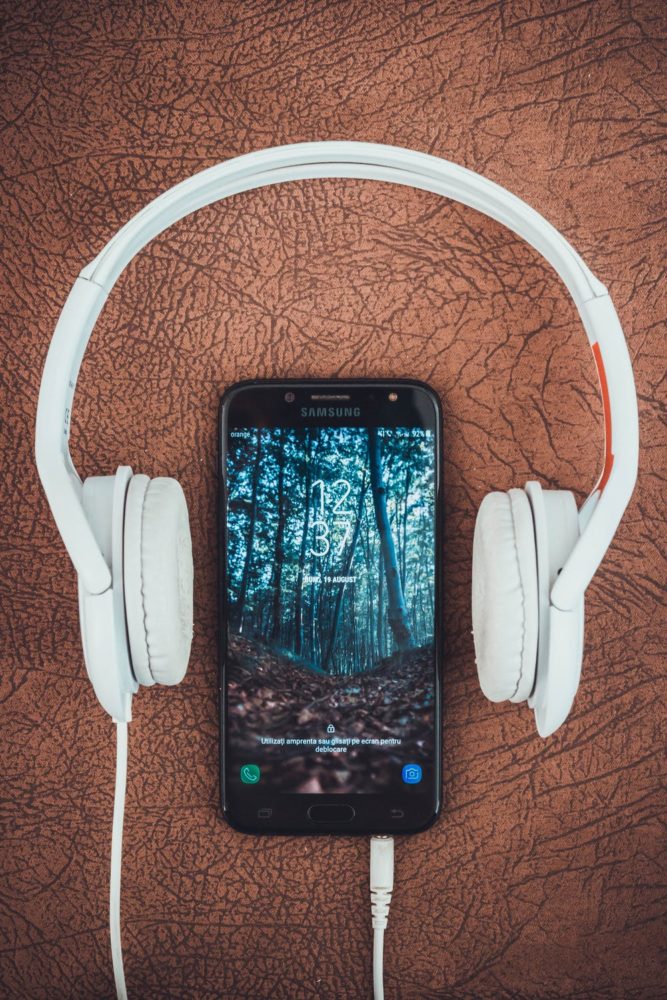
- Noise-Cancelling Headphones: These are indispensable for blocking out environmental noise. Tools like the Sony WH-1000XM5 or Bose QuietComfort Ultra Headphones are highly effective.
- Ambient Sound/White Noise: If complete silence is jarring, use ambient sound apps (e.g., Noisli, myNoise) or instrumental music (classical, lo-fi beats) to create a consistent, non-distracting soundscape.
- Ergonomics:
- Comfortable Chair: Invest in an ergonomic chair that supports your posture (e.g., Herman Miller Aeron or Steelcase Gesture). Discomfort is a significant distraction.
- Monitor Height: Position your monitor so the top third of the screen is at eye level.
- Keyboard and Mouse: Use ergonomic peripherals to prevent strain.
Digital Declutter: Optimizing Your Devices and Software
Your digital environment is often the primary source of distraction. Taming it requires a multi-pronged approach, from browser settings to dedicated focus apps.
Browser and Operating System Optimization:
- Close Unnecessary Tabs: Before a deep reading session, close all tabs not directly related to your task. Use a tab management extension like OneTab to save them for later.
- Disable Notifications: Turn off all desktop notifications for email, social media, news alerts, and messaging apps. On macOS, use “Focus Modes”; on Windows, use “Focus Assist.”
- Use Separate Browser Profiles: Consider creating a separate browser profile (e.g., in Chrome or Edge) specifically for deep work, with minimal extensions and no logged-in social media accounts.
- Virtual Desktops: Utilize virtual desktops (macOS Spaces, Windows Desktops) to separate your deep work environment from your general browsing or communication tools.
Distraction-Blocking Software:
These tools are your digital bodyguards, preventing you from straying to time-wasting sites and apps.
- Freedom: (freedom.to)
- Pricing: $8.99/month, $3.49/month (annual), or $199 lifetime.
- Key Features: Blocks websites and apps across all devices (Mac, Windows, iOS, Android, Chrome). Schedule recurring sessions, lock mode to prevent early exit, session history.
- Use Case: Ideal for individuals who struggle with self-control and need a robust, multi-device solution to enforce focus periods. You can block specific sites (e.g., social media, news) or even block the entire internet.
- Cold Turkey Blocker: (getcoldturkey.com)
- Pricing: Free basic version; Pro version is a one-time purchase of $39.
- Key Features: Blocks websites, applications, and even the entire internet. Can set timers, schedule blocks, and has a “Frozen Turkey” mode for extreme lockdown.
- Use Case: Great for Windows and macOS users who want a powerful, customizable blocker with a strong “no-cheating” mechanism. The Pro version offers advanced scheduling and statistics.
- StayFocusd: (Chrome Extension)
- Pricing: Free.
- Key Features: Limits the amount of time you can spend on time-wasting websites. Once your allotted time is up, the sites are blocked for the rest of the day. Has a “nuclear option” to block everything for a set period.
- Use Case: Perfect for Chrome users who need a lightweight, flexible tool to manage their browsing habits without a full-system lockdown.
Curating Your Content Stream: Tools for Smart Information Capture and Processing

Heavy information days often involve reading from various sources: articles, PDFs, web pages, and more. Effective content curation tools help you gather, organize, and access this material efficiently, reducing the cognitive load of searching and switching contexts.
Read-It-Later Apps: Your Personal Reading Queue
These apps allow you to save articles, web pages, and even videos to read later, often offline, in a clean, distraction-free format.
- Pocket: (getpocket.com)
- Pricing: Free; Premium $4.99/month or $44.99/year.
- Key Features: Saves articles, videos, and web pages. Strips away clutter for a clean reading experience. Offers tagging, archiving, and text-to-speech. Premium includes permanent library, full-text search, and suggested tags.
- Use Case: Excellent for general web content, news articles, and blog posts. Its recommendation engine can also help discover relevant content. Integrate with IFTTT or Zapier for automated saving.
- Instapaper: (instapaper.com)
- Pricing: Free; Premium $2.99/month or $29.99/year.
- Key Features: Similar to Pocket, focuses on a clean reading experience. Offers highlighting, notes, and text-to-speech. Premium offers full-text search, unlimited notes, and speed reading.
- Use Case: Favored by those who prioritize a minimalist reading interface and robust highlighting/note-taking features within the app itself. Good for academic articles or in-depth reports.
RSS Readers: Streamlining Your Information Intake
For keeping up with specific blogs, news sources, or research journals, RSS readers aggregate content into a single feed, saving you from visiting multiple websites.
- Feedly: (feedly.com)
- Pricing: Free (up to 100 sources); Pro $6/month (annual); Enterprise plans available.
- Key Features: Aggregates RSS feeds, Twitter feeds, YouTube channels, and more. AI-powered “Leo” helps prioritize important articles. Offers integrations with Pocket, Instapaper, Evernote.
- Use Case: Ideal for professionals who follow many specific sources and need an intelligent way to filter and prioritize content.
- Inoreader: (inoreader.com)
- Pricing: Free; Pro $9.99/month; Plus $7.49/month; Enterprise plans.
- Key Features: Robust RSS reader with extensive filtering, search, and organization options. Can follow newsletters, Twitter feeds, and even monitor keywords. Excellent for power users.
- Use Case: Best for researchers, journalists, or anyone needing advanced control over their information stream, including complex rules and integrations.
Active Reading & Annotation: Engaging with Information, Not Just Consuming It
Passive reading is ineffective for heavy information days. Active engagement through annotation, summarizing, and questioning significantly boosts comprehension and retention. Integrate tools that facilitate this process directly into your workflow.
Digital Annotation Tools:
- Readwise: (readwise.io)
- Pricing: $7.99/month (annual); $9.99/month (monthly).
- Key Features: Aggregates highlights and notes from Kindle, Pocket, Instapaper, Apple Books, PDFs, and more. Uses spaced repetition to resurface key insights, helping you remember what you read.
- Use Case: Essential for anyone who wants to make their reading stick. It’s a “memory assistant” for your reading, perfect for learning and retaining complex information over time.
- Hypothesis: (web.hypothes.is)
- Pricing: Free.
- Key Features: Open-source web annotation tool. Allows you to add notes and highlights to any web page or PDF (if hosted online). Can be used privately or collaboratively.
- Use Case: Great for academic research, collaborative reading, or anyone who wants to annotate web content directly without saving it to a separate app.
- LiquidText: (liquidtext.net)
- Pricing: Free basic version; Pro $29.99 (iPad/Mac single purchase), $39.99 (Windows single purchase).
- Key Features: Advanced PDF and document reader with revolutionary annotation and note-taking features. Allows you to “pinch” documents, draw connections between ideas, pull excerpts into a workspace, and create mind maps.
- Use Case: Invaluable for deeply analyzing complex documents, research papers, or legal briefs. If you need to synthesize information from multiple sources and visualize connections, LiquidText is a game-changer.
Note-Taking and Knowledge Management Systems:
Beyond simple annotations, these tools help you synthesize and organize your knowledge for long-term use.
- Obsidian: (obsidian.md)
- Pricing: Free for personal use; Sync $10/month; Publish $20/month.
- Key Features: A powerful, local-first knowledge base that uses plain text Markdown files. Emphasizes linking notes together to form a “second brain” or “personal knowledge graph.” Highly customizable with plugins.
- Use Case: For serious knowledge workers, researchers, and writers who want to build a interconnected network of ideas. Excellent for long-term learning and creative synthesis.
- Notion: (notion.so)
- Pricing: Free for personal use; Plus $8/user/month (annual); Business $15/user/month (annual); Enterprise plans.
- Key Features: An all-in-one workspace for notes, tasks, wikis, and databases. Highly flexible and customizable. Can be used for personal knowledge management, project management, and team collaboration.
- Use Case: Versatile for organizing research, project notes, personal learning, and even entire company wikis. Its database features are powerful for managing structured information.
Hardware for Hyperfocus: E-Readers and Specialized Displays
Sometimes, the best digital setup is one that deliberately limits capabilities to enhance focus. Dedicated hardware can offer a level of distraction-free reading that software alone cannot match.
E-Readers (E-Ink Devices):
E-ink screens mimic paper, are easy on the eyes, and lack the distractions of a multi-purpose tablet or computer. They are perfect for long reading sessions.
- Kindle Scribe: (amazon.com/kindle-scribe)
- Pricing: Starts around $339.99.
- Key Features: 10.2-inch E-Ink display with front light. Supports reading Kindle books, PDFs, and sending documents. Allows for writing notes directly on documents and in notebooks using a stylus.
- Use Case: Excellent for reading and annotating long-form content, textbooks, and PDFs without digital distractions. The writing feature is a significant plus for active engagement.
- Kobo Sage: (us.kobobooks.com/products/kobo-sage)
- Pricing: Around $269.99.
- Key Features: 8-inch E-Ink screen, supports Kobo Stylus for note-taking, Dropbox integration for documents, built-in audiobook support.
- Use Case: A strong alternative to Kindle, especially if you prefer Kobo’s ecosystem or want better PDF support and integration with services like Dropbox.
- reMarkable 2: (remarkable.com)
- Pricing: Device starts around $299; Marker Plus around $129; Connect subscription $2.99/month (for cloud sync, unlimited notes, and screen share).
- Key Features: Ultra-thin E-Ink tablet designed specifically for reading and writing. Unparalleled paper-like writing experience. Supports PDFs, ePubs, and notebooks.
- Use Case: If your primary need is to read and hand-annotate PDFs, take extensive handwritten notes, and desire a truly minimalist, distraction-free digital paper experience, the reMarkable 2 is a top choice.
Specialized Monitors:
- E-Ink Monitors (e.g., Onyx Boox Mira, Dasung Paperlike):
- Pricing: Typically $500 – $1000+.
- Key Features: Full-size E-Ink monitors that connect to your computer. Offer a completely glare-free, eye-friendly display for extended reading.
- Use Case: For those who spend many hours reading text on a computer screen and experience significant eye strain from traditional LCD/LED monitors. They are costly but can be a game-changer for eye health and focus.
- Monochromatic or Grayscale Displays:
- Software Setting: You can often set your computer’s display to grayscale in accessibility settings (e.g., macOS: System Settings > Accessibility > Display > Color Filters; Windows: Settings > Accessibility > Color filters).
- Use Case: Removes the allure of colorful, distracting elements on websites and apps, making text-heavy content less visually fatiguing and more engaging.
The Strategic Approach: Time Management and Mindset Techniques
Even with the perfect physical and digital setup, your mindset and approach to time management are critical. Tools are enablers, but discipline is the driver.
- The Pomodoro Technique:
- How it works: Work for 25 minutes, then take a 5-minute break. After four “Pomodoros,” take a longer 15-30 minute break.
- Benefit: Breaks down large reading tasks into manageable chunks, preventing mental fatigue and maintaining focus. Use a simple kitchen timer or an app like Flow.
- Deep Work Blocks:
- Concept: Schedule dedicated, uninterrupted blocks of time (e.g., 90-120 minutes) for your most demanding reading and analysis. During these blocks, eliminate all distractions.
- Execution: Treat these blocks like non-negotiable appointments. Inform colleagues or family members of your unavailability.
- Single-Tasking:
- Principle: Focus on one reading task at a time. Resist the urge to switch between documents, check email, or browse unrelated websites.
- Practice: Before starting, clearly define what you will read and what your goal is for that session.
- Pre-Reading and Skimming:
- Technique: Before diving deep, skim the material to get an overview. Read headings, subheadings, introductions, and conclusions. Look at figures and tables.
- Benefit: Provides context, helps you identify key sections, and pre-activates relevant knowledge, making deep reading more efficient.
- Digital Detox Intervals:
- Strategy: Regularly schedule periods where you completely disconnect from digital devices. This can be an hour, an evening, or a full day.
- Impact: Helps reset your attention span, reduces digital fatigue, and strengthens your ability to resist digital temptations during work periods.
Integrating Your Workflow: Building a Seamless Distraction-Free System
The true power of a distraction-free reading setup lies in how you integrate these individual components into a cohesive system. It’s not just about using tools; it’s about creating a routine and a mindset that supports sustained focus.
Consider the following steps to build your integrated system:
- Morning Routine for Focus:
- Start your day by reviewing your reading priorities.
- Initiate your distraction blockers (e.g., Freedom session).
- Prepare your physical space (clear desk, optimal lighting).
- Queue up your ambient noise or focus music.
- Content Ingestion Workflow:
- As you encounter interesting articles or documents throughout the day, immediately send them to your read-it-later app (Pocket/Instapaper) or save them to a dedicated folder for PDFs.
- Avoid reading them immediately unless it’s urgent. This prevents context switching.
- Dedicated Reading Sessions:
- Schedule specific blocks in your calendar for “Deep Reading” using your preferred tools (e.g., LiquidText for PDFs, Kindle Scribe for books, Instapaper for articles).
- During these sessions, use active reading techniques: highlight, annotate, summarize in your note-taking app (Obsidian/Notion).
- Knowledge Synthesis and Review:
- After reading, process your highlights and notes. Send them to Readwise for spaced repetition.
- Integrate new insights into your knowledge management system (Obsidian/Notion), linking them to existing ideas.
- Regularly review your notes and summaries to reinforce learning.
- Regular System Audit:
- Periodically review your setup. Are certain tools no longer serving you? Are new distractions emerging? Adjust your blockers, apps, and environment as needed.
- Reflect on your focus levels. What worked well? What could be improved?
By consciously designing your workflow, you create a seamless pipeline for information, from capture to deep processing and retention, minimizing opportunities for distraction at every stage.
Comparison Table: Essential Tools for Distraction-Free Reading
| Tool Name | Pricing | Key Features | Best For |
|---|---|---|---|
| Freedom | $8.99/month, $3.49/month (annual), $199 lifetime | Blocks websites & apps across all devices; scheduled sessions; lock mode. | Comprehensive, multi-device distraction blocking for serious focus. |
| Free; Premium $4.99/month or $44.99/year | Saves articles/videos; clean reading view; tagging; text-to-speech. | Curating web content into a distraction-free reading queue. | |
| Readwise | $7.99/month (annual); $9.99/month (monthly) | Aggregates highlights from multiple sources; spaced repetition for memory. | Ensuring long-term retention and recall of important insights from reading. |
| LiquidText | Free basic; Pro $29.99 (iPad/Mac), $39.99 (Windows) | Advanced PDF annotation; linked notes; workspace for synthesizing ideas. | Deep analysis and synthesis of complex PDFs and research documents. |
| Obsidian | Free for personal use; Sync $10/month; Publish $20/month | Local-first knowledge base; linked notes (graph view); highly customizable. | Building a personal, interconnected knowledge graph for long-term learning. |
| Kindle Scribe | Starts around $339.99 | 10.2″ E-Ink display; reads books/PDFs; supports stylus for notes/journaling. | Dedicated, eye-friendly device for reading and annotating long-form content. |
Key Takeaways
- Environmental Control is Crucial: Optimize both your physical (lighting, sound, ergonomics) and digital (notifications, blockers, clean desktop) environments to minimize distractions.
- Leverage Specialized Tools: Utilize read-it-later apps (Pocket, Instapaper), focus blockers (Freedom, Cold Turkey), and advanced annotation tools (LiquidText, Readwise) to streamline content processing and active engagement.
- Embrace Active Reading: Go beyond passive consumption by highlighting, taking notes, summarizing, and using tools like Readwise to reinforce learning and retention.
- Consider Dedicated Hardware: E-ink devices like the Kindle Scribe or reMarkable 2 offer unparalleled distraction-free reading and note-taking experiences for heavy document loads.
- Integrate with Time Management: Combine your setup with techniques like Pomodoro, deep work blocks, and single-tasking to build consistent habits of hyperfocus and sustained productivity.
Frequently Asked Questions
Q: How do I handle urgent communications while in a distraction-free setup?
A: The key is to schedule specific times for communication. Inform colleagues or clients about your deep work blocks and provide an alternative contact for true emergencies. Use “do not disturb” features and only check urgent channels during your scheduled breaks. For truly critical scenarios, you might set up a “VIP” notification for specific contacts that bypasses your focus settings, but use this sparingly.
Q: Is it really worth investing in an E-Ink device if I already have a tablet?
A: For heavy information days, especially those involving long reading sessions or PDF annotation, an E-Ink device offers significant benefits. Its paper-like display reduces eye strain, and its single-purpose nature eliminates the temptation of other apps, which tablets inherently have. If eye comfort and absolute focus are top priorities, the investment is often worthwhile.
Q: How can I effectively manage multiple research papers or large documents?
A: Start by using a dedicated PDF reader with robust annotation capabilities like LiquidText. Create a consistent naming convention for your files. Integrate your highlights and notes into a knowledge management system like Obsidian or Notion, where you can link related concepts and visualize connections. Tools like Readwise can help resurface key insights from these papers over time.