
Unlock Your Web Potential: The Ultimate Guide to Finding the Best Free Bookmark Manager in 2026
Affiliate disclosure: This article may contain affiliate links. Recommendations are independent and editorially driven.
In the vast, ever-expanding ocean of the internet, keeping track of valuable information can feel like trying to catch mist with a sieve. Every day, we encounter countless articles, research papers, videos, tutorials, shopping links, and reference materials that we intend to revisit. Without a robust system, these digital treasures quickly get lost in a sea of open tabs, scattered notes, or forgotten browser history. This is where a dedicated free bookmark manager becomes not just a convenience, but an absolute necessity for anyone serious about digital productivity and knowledge management.
The concept of a “bookmark” is as old as the web itself, originating from simple browser functionalities designed to save a page for later. However, as our digital lives have grown more complex, so too have our needs for organizing and retrieving information. Modern bookmark managers go far beyond basic saving; they offer powerful categorization, tagging, search, annotation, and even sharing capabilities that transform raw links into a structured personal knowledge base. The best part? Many of these sophisticated tools are available as a free bookmark manager, offering incredible value without a monetary investment.
At bookmarksharer, we understand the critical role effective knowledge management plays in both personal and professional spheres. Our editorial team, with over a decade of experience dissecting the world of digital tools, has meticulously researched and evaluated the landscape of bookmarking solutions. In this comprehensive guide, we will delve deep into the world of free bookmark managers, helping you navigate the options, understand key features, and ultimately select the perfect tool to transform your digital chaos into a highly organized, easily accessible information hub. Prepare to reclaim your digital sanity and supercharge your web-centric workflows in 2026.
The Digital Deluge: Why a Free Bookmark Manager is Indispensable in 2026
The internet of 2026 is an overwhelming place. Information flows relentlessly, and the pace of new content generation is staggering. From crucial work-related resources to fascinating personal interests, our daily digital interactions generate a constant stream of links we wish to save, reference, or share. Without a strategic approach, this flood of information can quickly turn into a digital deluge, leading to lost data, wasted time, and significant frustration. This is precisely why a dedicated free bookmark manager has evolved from a niche tool to an essential component of modern digital literacy.
Taming Information Overload with a Free Bookmark Manager
One of the primary challenges of our interconnected world is information overload. We constantly browse, read, and consume content, but how much of it do we truly retain or effectively utilize? Traditional browser bookmarks, while a start, often fall short. They become a flat list, difficult to search, and even harder to categorize meaningfully. A powerful free bookmark manager provides the necessary architecture to combat this overload. It allows you to move beyond simple saving, enabling multi-layered organization through tags, folders, collections, and even annotations. Imagine finding that obscure research paper or forgotten recipe in seconds, not minutes or hours of frantic searching. This level of organization reduces cognitive load and frees up mental energy for more productive tasks.
Enhancing Productivity and Workflow with Smart Bookmarking
Productivity is not just about doing more; it’s about doing more effectively and efficiently. A disorganized digital workspace is a major roadblock to productivity. When you constantly hunt for links, re-read previously found articles, or struggle to remember where you saved that crucial piece of information, you’re losing valuable time and breaking your concentration. A well-implemented free bookmark manager streamlines your workflow by:
- Reducing search time: Powerful search filters, keywords, and tags mean you spend less time searching and more time doing.
- Creating structured resources: Grouping related links for projects, hobbies, or learning paths creates a coherent knowledge base.
- Facilitating quick access: With cross-device synchronization, your saved links are available exactly when and where you need them.
- Minimizing distractions: No more keeping dozens of tabs open “just in case” you need them, freeing up browser resources and mental space.
By integrating a free bookmark manager into your daily routine, you create a more agile and responsive digital environment, enhancing both personal and professional output.
The Hidden Cost of Digital Disorganization
While a free bookmark manager costs nothing financially, the cost of not using one can be substantial. Digital disorganization carries hidden expenses:
- Lost opportunities: Missing out on valuable insights or resources because you couldn’t find them when needed.
- Duplication of effort: Reworking or re-researching information you’ve already found and saved.
- Increased stress and frustration: The mental burden of a chaotic digital life can impact overall well-being.
- Reduced efficiency: Wasting precious time navigating clutter instead of engaging with meaningful content.
Investing your time in setting up and maintaining a good bookmark management system, especially one that is free, is an investment in your long-term digital health and productivity. It’s about building a digital library that serves you, rather than one that overwhelms you.
Understanding What Makes a Bookmark Manager “Free” and Effective
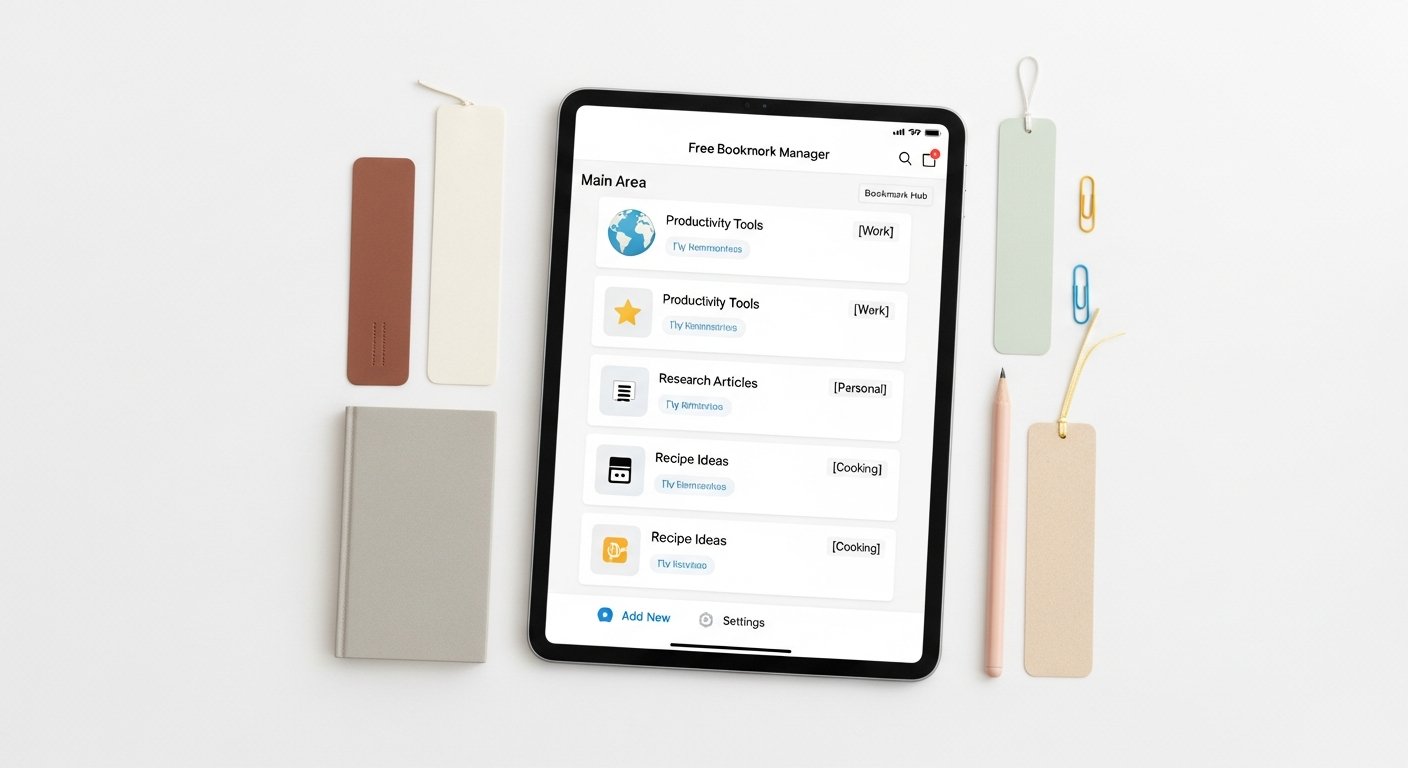
When searching for a free bookmark manager, it’s essential to understand the nuances of what “free” truly implies in the software landscape. Not all free tools are created equal, and their effectiveness can vary greatly depending on your specific needs and expectations. Navigating these distinctions is key to making an informed choice that will genuinely serve your digital organization goals.
[INLINE IMAGE 1: place after second H2 | alt=”free bookmark manager concept illustration”]
Defining “Free”: Freemium vs. Truly Free Bookmark Manager
The term “free” can often be interpreted in a few different ways when it comes to software:
- Truly Free (Open Source/Community Driven): These tools are typically developed by communities or individuals who release them without any cost or limitations on core features. They might rely on donations for sustainability or be a passion project. Examples often include self-hosted solutions or open-source browser extensions. The entire feature set is available without payment.
- Freemium Model: This is a very common approach where a basic version of the service is offered for free, but advanced features, increased storage, or premium support are locked behind a paid subscription (the “premium” part). A free bookmark manager operating on a freemium model might offer unlimited bookmarks but limit tagging capabilities, storage for archived pages, or sharing options. It’s crucial to evaluate if the free tier meets your fundamental requirements before committing.
- Ad-Supported: Some free services sustain themselves by displaying advertisements within their interface. While offering full functionality, the presence of ads might detract from the user experience for some.
When selecting a free bookmark manager, it’s vital to read the fine print. Understand what limitations, if any, come with the free version and whether those limitations will hinder your intended use. For many users, the free tiers of freemium services are more than sufficient, offering robust functionality without requiring an upgrade.
Core Features to Prioritize in Your Free Bookmark Manager
Regardless of whether you choose a truly free or freemium option, certain core features are non-negotiable for an effective bookmark manager:
- Reliable Saving Mechanism: The ability to quickly and easily save any page from your browser, often via an extension or “bookmarklet.”
- Robust Organization: Support for folders, tags, categories, or collections to provide multiple layers of organization.
- Powerful Search Functionality: The ability to quickly find saved links using keywords, tags, or even full-text search within saved content (if applicable).
- Cross-Device Sync: Your bookmarks should be accessible and synchronized across all your devices (desktop, laptop, tablet, smartphone).
- Intuitive User Interface (UI): A clean, user-friendly interface that makes saving, organizing, and retrieving bookmarks a seamless experience, not a chore.
- Duplicate Detection: A helpful feature to prevent clutter from saving the same link multiple times.
- Import/Export Options: The ability to import existing browser bookmarks and export your data for backup or migration to another service.
These features form the bedrock of any useful free bookmark manager. Without them, you might find yourself still struggling with digital clutter, albeit in a different interface.
User Experience and Interface Considerations
The best features in the world are meaningless if the tool is difficult or unpleasant to use. When evaluating a free bookmark manager, pay close attention to its user experience (UX) and interface (UI):
- Ease of Use: How quickly can you learn to use the tool? Is the process for saving and organizing straightforward?
- Visual Appeal: While subjective, a clean, uncluttered, and aesthetically pleasing interface can make a big difference in long-term adoption.
- Customization: Can you adjust the layout, viewing options, or tagging systems to suit your personal preferences?
- Performance: Does the tool load quickly? Is it responsive when searching or organizing? Lagging software can be a major productivity killer.
- Accessibility: Does it offer features for users with specific accessibility needs?
Ultimately, the most effective free bookmark manager for you will be the one you actually enjoy using and consistently integrate into your daily digital habits. Don’t underestimate the power of a good user experience in driving consistent engagement.
Top Contenders: Exploring the Best Free Bookmark Manager Options
The market for bookmark management tools is diverse, with several excellent options that offer compelling free tiers or are entirely free. Choosing the right free bookmark manager depends heavily on your specific workflow, desired feature set, and technical comfort level. Here, we’ll explore some of the leading contenders across different categories, highlighting their strengths and what makes them stand out.
Browser-Native Solutions: The Built-in Free Bookmark Manager
For many, the first line of defense against digital clutter is the bookmarking feature built directly into their web browser. These are, by definition, a free bookmark manager, and they come with the unparalleled advantage of deep integration with your browsing experience.
- Google Chrome Bookmarks: Chrome offers a robust bookmark manager with folders, a search bar, and automatic syncing across all logged-in Chrome instances. You can organize bookmarks into folders, reorder them, and access them quickly from the bookmark bar or menu. While powerful for basic needs, it lacks advanced tagging or content capture features.
- Mozilla Firefox Bookmarks: Firefox provides a similar experience with its “Library” feature, allowing for folders, tags (which Chrome lacks natively), and a search function. Its sidebar view makes quick access easy. Firefox also offers Pocket integration (discussed below), providing a powerful “read-it-later” complement to its native bookmarking.
- Microsoft Edge Favorites: Edge’s “Favorites” functions much like Chrome’s, with folders and basic management. It also integrates with Microsoft Collections, a feature that allows users to gather web pages, images, text, and notes into organized groups, acting as a more visual and versatile bookmarking system.
Pros: Seamless integration, always free, cross-device sync (with browser login).
Cons: Generally lack advanced features like rich tagging, content preview, or offline saving. Limited sharing capabilities.
Standalone Web-Based Platforms: Feature-Rich Free Bookmark Manager Alternatives
When browser-native options don’t suffice, a dedicated web-based free bookmark manager steps in. These platforms often provide a richer feature set, more flexible organization, and sometimes even a more appealing visual experience.
- Raindrop.io: Often hailed as one of the most visually appealing and feature-rich free bookmark managers, Raindrop.io offers “collections” for organization, powerful tagging, and multiple view modes (list, cards, mood board). Its free tier provides unlimited bookmarks, basic nested collections, and highlights. Premium features include full-text search and permanent copies of pages. It boasts excellent browser extensions and mobile apps.
- Pocket (formerly Read It Later): While primarily a “read-it-later” service, Pocket excels as a free bookmark manager for articles and web content you want to consume later. It strips away distractions, saves articles for offline reading, and offers robust tagging. Its free version is highly functional for content consumption, but it’s less ideal for simple link storage or visual bookmarks.
- Diigo: Diigo is more than just a bookmark manager; it’s a comprehensive research tool. Its free tier allows you to bookmark, highlight, and annotate web pages. You can add sticky notes to pages and organize your collection with tags. It’s particularly strong for students, researchers, or anyone who needs to actively engage with the content they bookmark.
- Instapaper: Similar to Pocket, Instapaper is another excellent “read-it-later” service that functions as a free bookmark manager for articles. It focuses on a clean reading experience, offline access, and basic folder organization. Its free tier is very generous for personal reading.
Pros: Advanced organization, rich features (tagging, content preview), often beautiful interfaces, dedicated apps.
Cons: Freemium models may restrict some advanced features, requires a separate account.
Open-Source and Self-Hosted Alternatives: The Ultimate Control
For those who value privacy, control, and a truly free bookmark manager experience without any commercial strings attached, open-source and self-hosted solutions are compelling. These require a bit more technical know-how but offer unparalleled flexibility.
- Shaarli: A minimalist, self-hosted bookmarking service. Shaarli is lightweight, easy to set up on your own server, and focuses on efficient bookmarking with tags and descriptions. It’s a great option for tech-savvy users who want complete ownership of their data.
- Wallabag: An open-source, self-hostable “read-it-later” application. Like Pocket or Instapaper, Wallabag saves articles and strips them down for a clean reading experience. It offers tagging and full-text search, and the community actively maintains it. You can host it yourself for free or use their paid hosted service.
Pros: Complete data ownership, no feature limitations (if self-hosted), strong privacy, community support.
Cons: Requires technical skills for setup and maintenance, no hosted free options for some. These often operate as a truly free bookmark manager because you provide the hosting infrastructure.
Niche Tools for Specific Needs
Some tools offer unique approaches to bookmarking, which might appeal to specific user groups:
- Are.na: Less of a traditional bookmark manager and more of a “mood board” for links, images, text, and files. It’s excellent for creative professionals or anyone who prefers a visual, collaborative way to organize resources into “channels.” The free tier is quite generous for individual use.
- Notion/Obsidian/Evernote (as bookmarking hubs): While not dedicated bookmark managers, many productivity tools can be adapted. With web clipper extensions, you can save pages directly into these apps, adding them to your notes, databases, or knowledge graphs. This works best if you’re already deeply integrated into one of these ecosystems and prefer a unified system for all your digital content, essentially turning them into a highly versatile free bookmark manager within your broader PKM system.
The landscape of free bookmark managers is rich and varied. By understanding your own habits and priorities, you can narrow down the options and find the tool that best fits your digital lifestyle. Remember to consider not just the features, but also the user experience and the “true cost” of the free tier. For further reading on related topics, consider exploring our guide on effective knowledge management strategies.
Deep Dive: Key Features and Benefits of Leading Free Bookmark Managers
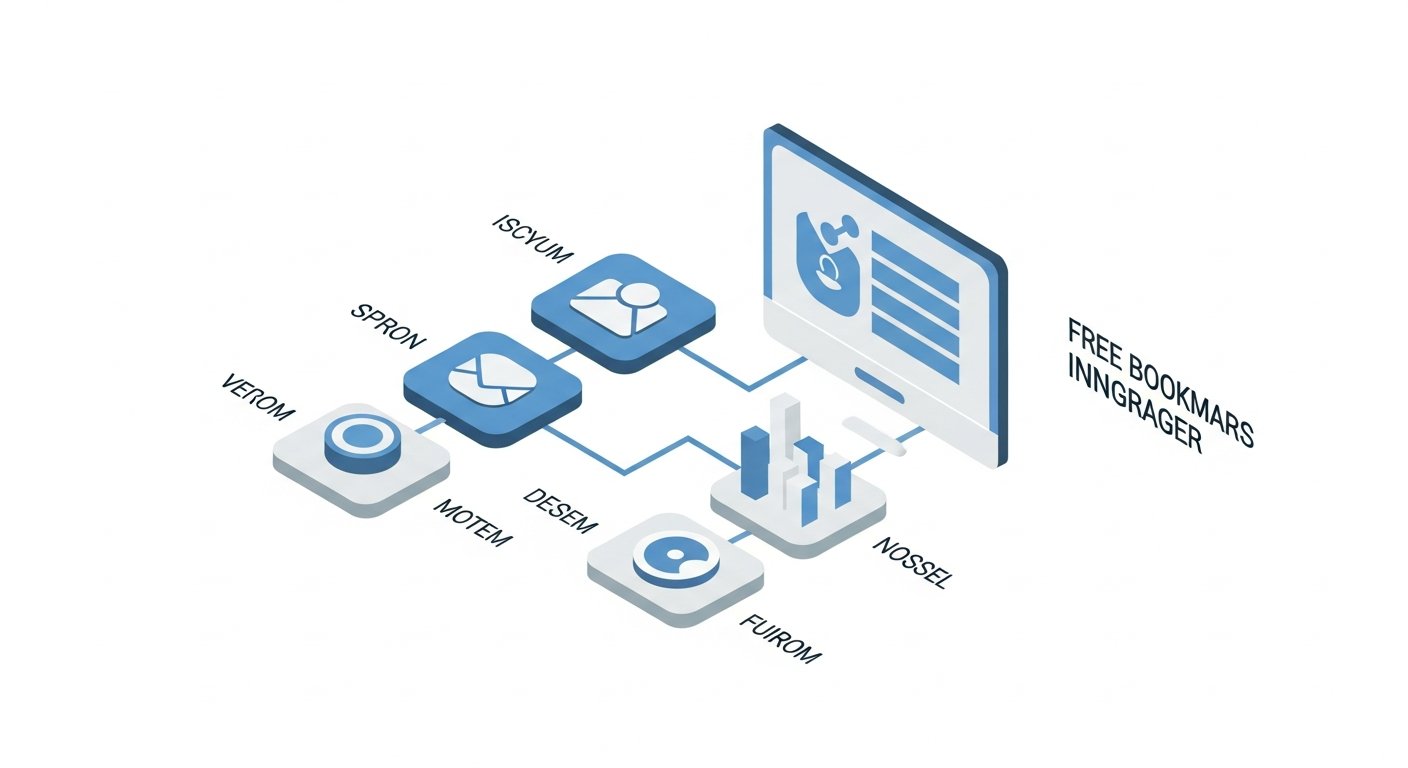
Moving beyond the simple act of saving a link, modern free bookmark manager tools offer a sophisticated array of features designed to enhance how you interact with your saved web content. Understanding these capabilities is crucial to leveraging your chosen tool to its fullest potential and transforming your digital archives into a dynamic, accessible knowledge base. Let’s delve into the most impactful features you should be looking for.
[INLINE IMAGE 2: place after fourth H2 | alt=”free bookmark manager comparison illustration”]
Tagging and Categorization for Superior Organization
The cornerstone of any effective free bookmark manager is its ability to help you organize. While folders offer a hierarchical structure, tagging provides a flexible, multi-dimensional classification system. Imagine categorizing a link about “sustainable urban gardening” with tags like “gardening,” “sustainability,” “urban planning,” and “DIY.” This allows you to retrieve the same link from multiple perspectives, making it significantly easier to find later.
- Hierarchical Folders/Collections: Most tools offer traditional folder structures, allowing you to nest categories (e.g., “Work” > “Project X” > “Research”). Some, like Raindrop.io, use “Collections” that can be nested.
- Flexible Tagging: This is where the power lies. A good free bookmark manager allows you to apply multiple tags to a single bookmark. Look for features like tag auto-completion, tag clouds, or the ability to filter by multiple tags simultaneously.
- Descriptions and Notes: Beyond just the link and title, the ability to add your own descriptive notes or summaries ensures that when you revisit a link, you instantly remember why you saved it and what was important about it.
The combination of these organizational tools transforms a simple list of links into a highly structured and easily navigable personal library. For those interested in deeper organization, our article on advanced personal knowledge management (PKM) tools provides further insights.
Search and Retrieval: Finding What You Need, Fast
Saving information is only half the battle; being able to retrieve it efficiently is the other, equally critical half. A superior free bookmark manager excels in its search capabilities.
- Keyword Search: The basic function allows you to search through titles, descriptions, and tags.
- Full-Text Search (Premium/Freemium): Many freemium bookmark managers, like Raindrop.io’s premium tier, offer full-text search. This means it searches not just the metadata, but the entire content of the saved webpage (or a cached copy of it). This is an incredibly powerful feature for finding specific information even if you can’t recall the exact title or tags.
- Filtering and Sorting: The ability to filter bookmarks by tags, dates, type (article, image, video), or sort them by date saved, title, etc., significantly speeds up discovery.
Fast and accurate retrieval saves immense amounts of time and prevents the frustration of “I know I saved this somewhere!”
Syncing Across Devices: Seamless Access Anywhere
In our multi-device world, seamless access is non-negotiable. A truly effective free bookmark manager must provide robust synchronization across all your platforms.
- Cloud-Based Sync: Most modern bookmark managers are cloud-based, automatically syncing your entire collection across all devices where you’re logged in – be it your desktop browser, laptop, tablet, or smartphone.
- Dedicated Mobile Apps: Look for services that offer well-designed, native mobile applications. These apps often provide a superior experience compared to relying solely on a mobile web interface, including quick saving from mobile browsers, offline access, and a tailored user experience.
The benefit here is clear: your knowledge base is always with you, allowing you to save a link on your phone during your commute and then access it instantly from your desktop when you’re at work, without any manual effort.
Sharing and Collaboration Capabilities
For students, teams, or even just sharing interesting finds with friends, the ability to share bookmarks is a valuable feature in a free bookmark manager.
- Public/Private Collections: Many tools allow you to create collections that can be made public (shareable via a link) or kept private.
- Collaborative Workspaces: Some platforms offer features for inviting others to contribute to or view shared collections, making them useful for team projects or group research.
- Export Options: The ability to export your bookmarks in standard formats (like HTML) ensures data portability and makes it easy to share a curated list.
Collaboration features transform personal bookmarking into a valuable asset for group endeavors, enhancing collective intelligence and project efficiency.
Archiving and Offline Access
The internet is ephemeral; pages can change or disappear. Advanced bookmark managers address this with archiving features:
- Permanent Copies: Some services, often in their premium tiers but sometimes with limited free allowances, create a permanent, cached copy of the webpage at the time of saving. This ensures that even if the original page goes offline or changes, you still have access to the content you saved.
- Offline Reading: For “read-it-later” services like Pocket or Instapaper, saving pages for offline access is a core function. This is invaluable for reading articles on flights, commutes, or in areas with poor internet connectivity, making them a truly functional free bookmark manager even without an active connection.
These features provide a layer of resilience to your digital library, ensuring that the information you deem important remains accessible, regardless of external web changes.
By carefully evaluating these key features, you can move beyond mere link storage and select a free bookmark manager that genuinely supports and enhances your digital life, turning chaotic links into a powerful, searchable, and always-available knowledge vault. Our extensive research into optimizing digital workflows with various tools can further aid your decision-making.
Comparison Table: A Side-by-Side Look at Free Bookmark Managers
To help you quickly compare some of the most popular and effective free bookmark manager options available in 2026, we’ve compiled a detailed table. This comparison highlights key features, limitations of free tiers, and what makes each tool unique, empowering you to make an informed decision based on your priorities.
| Feature / Tool | Raindrop.io (Free Tier) | Pocket (Free Tier) | Diigo (Free Tier) | Firefox Bookmarks (Native) | Google Chrome Bookmarks (Native) |
|---|---|---|---|---|---|
| Primary Focus | All-in-one visual bookmarking, collections | Read-it-later, article archiving | Web annotation, research, bookmarking | Browser-integrated basic bookmarking | Browser-integrated basic bookmarking |
| Cost Model | Freemium | Freemium | Freemium | Truly Free | Truly Free |
| Bookmark Limit (Free) | Unlimited | Unlimited | Unlimited (with daily capture limit) | Unlimited | Unlimited |
| Organization | Collections (nested), Tags, Descriptions | Tags, Favorites | Tags, Outliner, Lists | Folders, Tags | Folders |
| Search Functionality | Basic search (titles, tags, descriptions) | Basic search (titles, tags, content) | Full-text search, tags, notes | Basic search (titles, tags) | Basic search (titles) |
| Full-Text Article Search (Free) | No (Premium only) | Yes (basic) | Yes | No | No |
| Permanent Page Copy / Archiving (Free) | No (Premium only) | Limited (for articles) | Limited (highlights/annotations saved) | No | No |
| Offline Access (Free) | No (Premium only) | Yes (for saved articles) | No | No | No |
| Browser Extensions | Chrome, Firefox, Edge, Safari, Opera | Chrome, Firefox, Edge, Safari | Chrome, Firefox, Edge | Built-in | Built-in |
| Mobile Apps | iOS, Android | iOS, Android | iOS, Android | Built-in (Firefox browser app) | Built-in (Chrome browser app) |
| Sharing & Collaboration (Free) | Public collections | Limited | Limited (public groups) | Limited (export HTML) | Limited (export HTML) |
| Unique Strengths (Free) | Visual, intuitive UI, nested collections | Excellent article reading experience, offline | Web highlighting & annotation, research focus | Deep browser integration, tag support | Deep browser integration, simple |
| Ideal User | Visual learners, general bookmarking | Content readers, researchers | Students, researchers, active learners | Casual users, Firefox loyalists | Casual users, Chrome loyalists |
This table should serve as a starting point. We recommend trying out a few options that seem to align with your needs. Many free bookmark manager tools offer an excellent entry point, allowing you to gauge their suitability before considering any premium upgrades. Remember, the “best” tool is ultimately the one that integrates most seamlessly into your personal workflow and helps you achieve your digital organization goals.
Optimizing Your Workflow: Advanced Tips and Tricks for Your Free Bookmark Manager
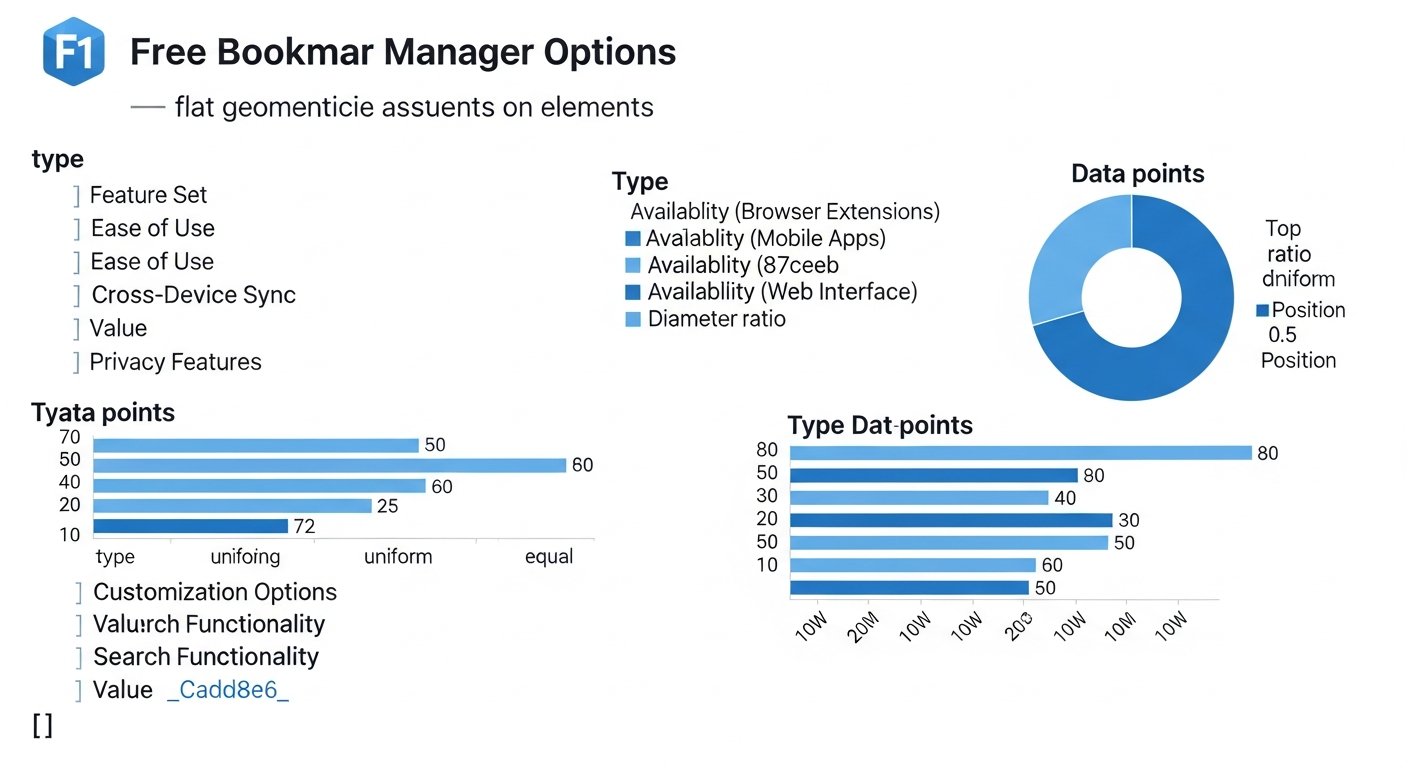
Having a free bookmark manager is the first step; truly mastering it means integrating it seamlessly into your daily digital habits. By adopting a few advanced tips and tricks, you can transform your bookmark collection from a static archive into a dynamic, highly efficient knowledge hub that actively enhances your productivity and streamlines your workflow. It’s about working smarter, not just saving more.
Developing a Consistent Tagging System with Your Free Bookmark Manager
Tags are the superpowers of modern bookmark managers, offering immense flexibility over rigid folder structures. However, this power can lead to chaos if not managed correctly. A consistent tagging system is paramount for effective retrieval.
- Standardize Your Tags: Avoid synonyms (e.g., “recipe,” “recipes,” “cooking”). Choose one and stick to it.
- Use Broad and Specific Tags: Combine general categories (“work,” “personal,” “health”) with more specific ones (“project-alpha,” “keto-diet,” “yoga-flow”).
- Consider Hierarchical Tags: Some tools allow nesting, but even without it, you can simulate it with conventions like “project/marketing,” “project/development.”
- Implement Action Tags: Tags like “to-read,” “to-buy,” “to-share,” or “action-later” can transform your bookmark manager into a task management tool for content.
- Regularly Review and Refine: Periodically audit your tags. Merge duplicates, delete unused ones, and adapt your system as your interests or projects evolve.
A well-thought-out tagging strategy makes your free bookmark manager incredibly powerful for finding exactly what you need, even years down the line. It’s an investment that pays dividends in saved time and reduced frustration.
Leveraging Browser Extensions for Quick Saves
The speed and ease of saving a bookmark directly from your browser are critical for consistent usage. Most leading free bookmark manager tools offer robust browser extensions that go beyond the basic “star” icon.
- One-Click Saving: The extension should allow you to save a page with minimal clicks, preferably directly to a default collection or with smart tag suggestions.
- Contextual Saving: Look for extensions that allow you to add tags, descriptions, or choose a collection right from the save dialog, without navigating away from the page.
- Highlighting and Annotation: Some advanced extensions (like Diigo’s) allow you to highlight text or add notes directly on the webpage, and these annotations are then saved with the bookmark, turning your free bookmark manager into a powerful research assistant.
- Screenshot/Clip Functionality: Certain extensions allow you to save specific sections of a page or take screenshots, which can be invaluable for visual information or ephemeral content.
By making the saving process as frictionless as possible, you ensure that you actually use your free bookmark manager consistently, capturing valuable information in the moment.
Integrating with Other Productivity Tools
Your free bookmark manager shouldn’t exist in a silo. The real power comes when it integrates with other tools in your digital ecosystem.
- Note-Taking Apps: Use your bookmark manager to save links, then pull relevant ones into your note-taking app (Evernote, Notion, Obsidian) for deeper synthesis or project planning. Some tools have direct integrations or offer export options.
- Task Managers: If a bookmark is related to an action item (e.g., “read this article for Project X”), add the link to your task manager or use an action tag in your bookmark manager.
- RSS Readers: Discover new content through an RSS reader, then save relevant articles directly to your bookmark manager for later review.
- IFTTT/Zapier: For advanced users, automation platforms can connect your bookmark manager to almost anything. For example, “if I tag a bookmark ‘share,’ then send it to a specific Slack channel.”
Building these connections transforms your bookmark manager into a central hub, making your entire digital workflow more cohesive. Our in-depth exploration of integrating PKM tools for enhanced productivity offers more ideas.
Regular Maintenance and Review of Your Bookmark Collection
Even the best system can become cluttered without periodic maintenance. Treat your bookmark collection like a digital garden – it needs weeding to thrive.
- Scheduled Review: Set a recurring reminder (e.g., monthly or quarterly) to review your collection.
- Delete Obsolete Bookmarks: Remove links that are no longer relevant, broken, or duplicated.
- Refine Tags and Categories: As mentioned, your tagging system will evolve. Use review sessions to consolidate, rename, or create new tags as needed.
- Process “To-Read” or “Action” Tags: Make sure items tagged for later action are actually processed. If an article has been saved for months and never read, either delete it or commit to reading it within a set timeframe.
- Utilize Read-It-Later Features: If your free bookmark manager has read-it-later capabilities (like Pocket or Instapaper), use them actively to get through your backlog of articles.
Regular maintenance ensures that your bookmark manager remains a lean, efficient, and valuable resource, always ready to serve your information needs. It prevents the slow creep of digital entropy and keeps your knowledge base pristine.
Beyond the Basics: Exploring Niche and Specialized Free Bookmark Manager Tools
While the general-purpose free bookmark manager options like Raindrop.io or Pocket cover a broad spectrum of needs, the digital landscape is also rich with specialized tools that cater to particular workflows or content types. For users with very specific requirements, exploring these niche alternatives can unlock even greater efficiency and a more tailored experience. These tools often approach “bookmarking” from a unique angle, integrating it into a broader set of functionalities.
Read-It-Later Services for Focused Content Consumption
We’ve touched upon them, but read-it-later services deserve their own spotlight as a specific type of free bookmark manager, tailored for consuming long-form content. Their primary goal is to save articles, strip away distractions, and present them in a clean, readable format, often with offline capabilities.
- Pocket: As discussed, Pocket excels at saving articles, videos, and web pages for later reading. Its free tier offers robust syncing, tagging, and a beautiful, distraction-free reading mode. It’s perfect for curating a personal backlog of interesting content.
- Instapaper: Similar to Pocket, Instapaper focuses on a minimalist reading experience. It offers excellent text-to-speech features, customizable fonts, and offline article saving. For those who prioritize a clean reading interface above all else, Instapaper is a strong contender.
These tools are ideal for people who frequently find interesting articles throughout the day but don’t have time to read them immediately. They act as a dedicated content queue, ensuring valuable information isn’t lost and can be consumed at leisure.
Visual Bookmarking for Designers and Creatives
For individuals whose work or hobbies are highly visual – designers, artists, marketers, or anyone building mood boards – a traditional list-based free bookmark manager might not be the most effective. Visual bookmarking tools prioritize images, thumbnails, and a more spatially organized layout.
- Raindrop.io (Visual Modes): While a general-purpose tool, Raindrop.io stands out with its excellent visual display modes, including a “mood board” view that prominently displays thumbnails. This makes it a fantastic option for visual curators who also need robust tagging and organization.
- Are.na: Are.na is a unique platform built around “channels” where users can collect and connect anything: links, images, text, and files. It’s highly visual and collaborative, functioning like an open-ended mood board or research archive. The free tier allows for private and public channels and is very popular within creative communities for collecting inspirations and references.
These tools transform the act of bookmarking into a visually rich experience, more akin to creating a digital scrapbook or inspiration board than a mere list of links.
Privacy-Focused and Decentralized Options
In an era of increasing data privacy concerns, some users prioritize tools that offer greater control over their information, or operate on decentralized principles. For these individuals, a free bookmark manager that aligns with privacy values is crucial.
- Shaarli (Self-Hosted): As mentioned, Shaarli is a prime example of a self-hosted solution. By running it on your own server, you retain complete control over your data, ensuring no third party has access to your bookmarks. It’s free to use (minus your hosting costs) and entirely open source.
- Wallabag (Self-Hosted/Open Source): Similar to Shaarli, Wallabag offers a self-hosted option for a read-it-later service. It provides the same privacy benefits of data ownership and is actively maintained by a community, making it a reliable choice for those wary of commercial services.
- Browser Sync (Encrypted): While not a dedicated service, modern browsers like Firefox offer encrypted sync for bookmarks. If your primary concern is privacy for basic bookmarking, relying on your browser’s robust, encrypted sync can be a solid, truly free bookmark manager option without sending your data to a third-party service provider.
These options cater to users who want to avoid handing over their valuable digital footprint to corporate entities, offering peace of mind alongside robust functionality. Further exploration into data privacy in productivity tools can provide more context.
{
“@context”: “https://schema.org”,
“@graph”: [
{
“@type”: “WebPage”,
“@id”: “https://www.bookmarksharer.com/free-bookmark-manager/”,
“url”: “https://www.bookmarksharer.com/free-bookmark-manager/”,
“name”: “Free Bookmark Manager”,
“description”: “Article about free bookmark manager”,
“datePublished”: “2026-06-03”,
“dateModified”: “2026-06-03”,
“inLanguage”: “en-US”,
“isPartOf”: {
“@id”: “https://www.bookmarksharer.com/#website”
}
},
{
“@type”: “Article”,
“@id”: “https://www.bookmarksharer.com/free-bookmark-manager/#article”,
“headline”: “Free Bookmark Manager”,
“name”: “Free Bookmark Manager”,
“description”: “Article about free bookmark manager”,
“url”: “https://www.bookmarksharer.com/free-bookmark-manager/”,
“datePublished”: “2026-06-03”,
“dateModified”: “2026-06-03”,
“author”: {
“@type”: “Person”,
“@id”: “https://www.bookmarksharer.com/#author”,
“name”: “Editorial Team”
},
“publisher”: {
“@type”: “Organization”,
“@id”: “https://www.bookmarksharer.com/#organization”,
“name”: “Bookmarksharer”,
“url”: “https://www.bookmarksharer.com”
},
“mainEntityOfPage”: {
“@id”: “https://www.bookmarksharer.com/free-bookmark-manager/”
},
“keywords”: [
“free bookmark manager”
],
“articleSection”: “Free Bookmark Manager”
},
{
“@type”: “BreadcrumbList”,
“@id”: “https://www.bookmarksharer.com/free-bookmark-manager/#breadcrumb”,
“itemListElement”: [
{
“@type”: “ListItem”,
“position”: 1,
“name”: “Home”,
“item”: “https://www.bookmarksharer.com”
},
{
“@type”: “ListItem”,
“position”: 2,
“name”: “Free Bookmark Manager”,
“item”: “https://www.bookmarksharer.com/free-bookmark-manager/”
}
]
},
{
“@type”: “Organization”,
“@id”: “https://www.bookmarksharer.com/#organization”,
“name”: “Bookmarksharer”,
“url”: “https://www.bookmarksharer.com”
},
{
“@type”: “Person”,
“@id”: “https://www.bookmarksharer.com/#author”,
“name”: “Editorial Team”
}
]
}
Unlock Your Web Potential: The Ultimate Guide to Finding the Best Free Bookmark Manager in 2026
Affiliate disclosure: This article may contain affiliate links. Recommendations are independent and editorially driven.
In the vast, ever-expanding ocean of the internet, keeping track of valuable information can feel like trying to catch mist with a sieve. Every day, we encounter countless articles, research papers, videos, tutorials, shopping links, and reference materials that we intend to revisit. Without a robust system, these digital treasures quickly get lost in a sea of open tabs, scattered notes, or forgotten browser history. This is where a dedicated free bookmark manager becomes not just a convenience, but an absolute necessity for anyone serious about digital productivity and knowledge management.
The concept of a “bookmark” is as old as the web itself, originating from simple browser functionalities designed to save a page for later. However, as our digital lives have grown more complex, so too have our needs for organizing and retrieving information. Modern bookmark managers go far beyond basic saving; they offer powerful categorization, tagging, search, annotation, and even sharing capabilities that transform raw links into a structured personal knowledge base. The best part? Many of these sophisticated tools are available as a free bookmark manager, offering incredible value without a monetary investment.
At bookmarksharer, we understand the critical role effective knowledge management plays in both personal and professional spheres. Our editorial team, with over a decade of experience dissecting the world of digital tools, has meticulously researched and evaluated the landscape of bookmarking solutions. In this comprehensive guide, we will delve deep into the world of free bookmark managers, helping you navigate the options, understand key features, and ultimately select the perfect tool to transform your digital chaos into a highly organized, easily accessible information hub. Prepare to reclaim your digital sanity and supercharge your web-centric workflows in 2026.
The Digital Deluge: Why a Free Bookmark Manager is Indispensable in 2026
The internet of 2026 is an overwhelming place. Information flows relentlessly, and the pace of new content generation is staggering. From crucial work-related resources to fascinating personal interests, our daily digital interactions generate a constant stream of links we wish to save, reference, or share. Without a strategic approach, this flood of information can quickly turn into a digital deluge, leading to lost data, wasted time, and significant frustration. This is precisely why a dedicated free bookmark manager has evolved from a niche tool to an essential component of modern digital literacy.
Taming Information Overload with a Free Bookmark Manager
One of the primary challenges of our interconnected world is information overload. We constantly browse, read, and consume content, but how much of it do we truly retain or effectively utilize? Traditional browser bookmarks, while a start, often fall short. They become a flat list, difficult to search, and even harder to categorize meaningfully. A powerful free bookmark manager provides the necessary architecture to combat this overload. It allows you to move beyond simple saving, enabling multi-layered organization through tags, folders, collections, and even annotations. Imagine finding that obscure research paper or forgotten recipe in seconds, not minutes or hours of frantic searching. This level of organization reduces cognitive load and frees up mental energy for more productive tasks.
Enhancing Productivity and Workflow with Smart Bookmarking
Productivity is not just about doing more; it’s about doing more effectively and efficiently. A disorganized digital workspace is a major roadblock to productivity. When you constantly hunt for links, re-read previously found articles, or struggle to remember where you saved that crucial piece of information, you’re losing valuable time and breaking your concentration. A well-implemented free bookmark manager streamlines your workflow by:
- Reducing search time: Powerful search filters, keywords, and tags mean you spend less time searching and more time doing.
- Creating structured resources: Grouping related links for projects, hobbies, or learning paths creates a coherent knowledge base.
- Facilitating quick access: With cross-device synchronization, your saved links are available exactly when and where you need them.
- Minimizing distractions: No more keeping dozens of tabs open “just in case” you need them, freeing up browser resources and mental space.
By integrating a free bookmark manager into your daily routine, you create a more agile and responsive digital environment, enhancing both personal and professional output.
The Hidden Cost of Digital Disorganization
While a free bookmark manager costs nothing financially, the cost of not using one can be substantial. Digital disorganization carries hidden expenses:
- Lost opportunities: Missing out on valuable insights or resources because you couldn’t find them when needed.
- Duplication of effort: Reworking or re-researching information you’ve already found and saved.
- Increased stress and frustration: The mental burden of a chaotic digital life can impact overall well-being.
- Reduced efficiency: Wasting precious time navigating clutter instead of engaging with meaningful content.
Investing your time in setting up and maintaining a good bookmark management system, especially one that is free, is an investment in your long-term digital health and productivity. It’s about building a digital library that serves you, rather than one that overwhelms you.
Understanding What Makes a Bookmark Manager “Free” and Effective
When searching for a free bookmark manager, it’s essential to understand the nuances of what “free” truly implies in the software landscape. Not all free tools are created equal, and their effectiveness can vary greatly depending on your specific needs and expectations. Navigating these distinctions is key to making an informed choice that will genuinely serve your digital organization goals.
[INLINE IMAGE 1: place after second H2 | alt=”free bookmark manager concept illustration”]
Defining “Free”: Freemium vs. Truly Free Bookmark Manager
The term “free” can often be interpreted in a few different ways when it comes to software:
- Truly Free (Open Source/Community Driven): These tools are typically developed by communities or individuals who release them without any cost or limitations on core features. They might rely on donations for sustainability or be a passion project. Examples often include self-hosted solutions or open-source browser extensions. The entire feature set is available without payment.
- Freemium Model: This is a very common approach where a basic version of the service is offered for free, but advanced features, increased storage, or premium support are locked behind a paid subscription (the “premium” part). A free bookmark manager operating on a freemium model might offer unlimited bookmarks but limit tagging capabilities, storage for archived pages, or sharing options. It’s crucial to evaluate if the free tier meets your fundamental requirements before committing.
- Ad-Supported: Some free services sustain themselves by displaying advertisements within their interface. While offering full functionality, the presence of ads might detract from the user experience for some.
When selecting a free bookmark manager, it’s vital to read the fine print. Understand what limitations, if any, come with the free version and whether those limitations will hinder your intended use. For many users, the free tiers of freemium services are more than sufficient, offering robust functionality without requiring an upgrade.
Core Features to Prioritize in Your Free Bookmark Manager
Regardless of whether you choose a truly free or freemium option, certain core features are non-negotiable for an effective bookmark manager:
- Reliable Saving Mechanism: The ability to quickly and easily save any page from your browser, often via an extension or “bookmarklet.”
- Robust Organization: Support for folders, tags, categories, or collections to provide multiple layers of organization.
- Powerful Search Functionality: The ability to quickly find saved links using keywords, tags, or even full-text search within saved content (if applicable).
- Cross-Device Sync: Your bookmarks should be accessible and synchronized across all your devices (desktop, laptop, tablet, smartphone).
- Intuitive User Interface (UI): A clean, user-friendly interface that makes saving, organizing, and retrieving bookmarks a seamless experience, not a chore.
- Duplicate Detection: A helpful feature to prevent clutter from saving the same link multiple times.
- Import/Export Options: The ability to import existing browser bookmarks and export your data for backup or migration to another service.
These features form the bedrock of any useful free bookmark manager. Without them, you might find yourself still struggling with digital clutter, albeit in a different interface.
User Experience and Interface Considerations
The best features in the world are meaningless if the tool is difficult or unpleasant to use. When evaluating a free bookmark manager, pay close attention to its user experience (UX) and interface (UI):
- Ease of Use: How quickly can you learn to use the tool? Is the process for saving and organizing straightforward?
- Visual Appeal: While subjective, a clean, uncluttered, and aesthetically pleasing interface can make a big difference in long-term adoption.
- Customization: Can you adjust the layout, viewing options, or tagging systems to suit your personal preferences?
- Performance: Does the tool load quickly? Is it responsive when searching or organizing? Lagging software can be a major productivity killer.
- Accessibility: Does it offer features for users with specific accessibility needs?
Ultimately, the most effective free bookmark manager for you will be the one you actually enjoy using and consistently integrate into your daily digital habits. Don’t underestimate the power of a good user experience in driving consistent engagement.
Top Contenders: Exploring the Best Free Bookmark Manager Options
The market for bookmark management tools is diverse, with several excellent options that offer compelling free tiers or are entirely free. Choosing the right free bookmark manager depends heavily on your specific workflow, desired feature set, and technical comfort level. Here, we’ll explore some of the leading contenders across different categories, highlighting their strengths and what makes them stand out.
Browser-Native Solutions: The Built-in Free Bookmark Manager
For many, the first line of defense against digital clutter is the bookmarking feature built directly into their web browser. These are, by definition, a free bookmark manager, and they come with the unparalleled advantage of deep integration with your browsing experience.
- Google Chrome Bookmarks: Chrome offers a robust bookmark manager with folders, a search bar, and automatic syncing across all logged-in Chrome instances. You can organize bookmarks into folders, reorder them, and access them quickly from the bookmark bar or menu. While powerful for basic needs, it lacks advanced tagging or content capture features.
- Mozilla Firefox Bookmarks: Firefox provides a similar experience with its “Library” feature, allowing for folders, tags (which Chrome lacks natively), and a search function. Its sidebar view makes quick access easy. Firefox also offers Pocket integration (discussed below), providing a powerful “read-it-later” complement to its native bookmarking.
- Microsoft Edge Favorites: Edge’s “Favorites” functions much like Chrome’s, with folders and basic management. It also integrates with Microsoft Collections, a feature that allows users to gather web pages, images, text, and notes into organized groups, acting as a more visual and versatile bookmarking system.
Pros: Seamless integration, always free, cross-device sync (with browser login).
Cons: Generally lack advanced features like rich tagging, content preview, or offline saving. Limited sharing capabilities.
Standalone Web-Based Platforms: Feature-Rich Free Bookmark Manager Alternatives
When browser-native options don’t suffice, a dedicated web-based free bookmark manager steps in. These platforms often provide a richer feature set, more flexible organization, and sometimes even a more appealing visual experience.
- Raindrop.io: Often hailed as one of the most visually appealing and feature-rich free bookmark managers, Raindrop.io offers “collections” for organization, powerful tagging, and multiple view modes (list, cards, mood board). Its free tier provides unlimited bookmarks, basic nested collections, and highlights. Premium features include full-text search and permanent copies of pages. It boasts excellent browser extensions and mobile apps.
- Pocket (formerly Read It Later): While primarily a “read-it-later” service, Pocket excels as a free bookmark manager for articles and web content you want to consume later. It strips away distractions, saves articles for offline reading, and offers robust tagging. Its free version is highly functional for content consumption, but it’s less ideal for simple link storage or visual bookmarks.
- Diigo: Diigo is more than just a bookmark manager; it’s a comprehensive research tool. Its free tier allows you to bookmark, highlight, and annotate web pages. You can add sticky notes to pages and organize your collection with tags. It’s particularly strong for students, researchers, or anyone who needs to actively engage with the content they bookmark.
- Instapaper: Similar to Pocket, Instapaper is another excellent “read-it-later” service that functions as a free bookmark manager for articles. It focuses on a clean reading experience, offline access, and basic folder organization. Its free tier is very generous for personal reading.
Pros: Advanced organization, rich features (tagging, content preview), often beautiful interfaces, dedicated apps.
Cons: Freemium models may restrict some advanced features, requires a separate account.
Open-Source and Self-Hosted Alternatives: The Ultimate Control
For those who value privacy, control, and a truly free bookmark manager experience without any commercial strings attached, open-source and self-hosted solutions are compelling. These require a bit more technical know-how but offer unparalleled flexibility.
- Shaarli: A minimalist, self-hosted bookmarking service. Shaarli is lightweight, easy to set up on your own server, and focuses on efficient bookmarking with tags and descriptions. It’s a great option for tech-savvy users who want complete ownership of their data.
- Wallabag: An open-source, self-hostable “read-it-later” application. Like Pocket or Instapaper, Wallabag saves articles and strips them down for a clean reading experience. It offers tagging and full-text search, and the community actively maintains it. You can host it yourself for free or use their paid hosted service.
Pros: Complete data ownership, no feature limitations (if self-hosted), strong privacy, community support.
Cons: Requires technical skills for setup and maintenance, no hosted free options for some. These often operate as a truly free bookmark manager because you provide the hosting infrastructure.
Niche Tools for Specific Needs
Some tools offer unique approaches to bookmarking, which might appeal to specific user groups:
- Are.na: Less of a traditional bookmark manager and more of a “mood board” for links, images, text, and files. It’s excellent for creative professionals or anyone who prefers a visual, collaborative way to organize resources into “channels.” The free tier is quite generous for individual use.
- Notion/Obsidian/Evernote (as bookmarking hubs): While not dedicated bookmark managers, many productivity tools can be adapted. With web clipper extensions, you can save pages directly into these apps, adding them to your notes, databases, or knowledge graphs. This works best if you’re already deeply integrated into one of these ecosystems and prefer a unified system for all your digital content, essentially turning them into a highly versatile free bookmark manager within your broader PKM system.
The landscape of free bookmark managers is rich and varied. By understanding your own habits and priorities, you can narrow down the options and find the tool that best fits your digital lifestyle. Remember to consider not just the features, but also the user experience and the “true cost” of the free tier. For further reading on related topics, consider exploring our guide on effective knowledge management strategies.
Deep Dive: Key Features and Benefits of Leading Free Bookmark Managers
Moving beyond the simple act of saving a link, modern free bookmark manager tools offer a sophisticated array of features designed to enhance how you interact with your saved web content. Understanding these capabilities is crucial to leveraging your chosen tool to its fullest potential and transforming your digital archives into a dynamic, accessible knowledge base. Let’s delve into the most impactful features you should be looking for.
[INLINE IMAGE 2: place after fourth H2 | alt=”free bookmark manager comparison illustration”]
Tagging and Categorization for Superior Organization
The cornerstone of any effective free bookmark manager is its ability to help you organize. While folders offer a hierarchical structure, tagging provides a flexible, multi-dimensional classification system. Imagine categorizing a link about “sustainable urban gardening” with tags like “gardening,” “sustainability,” “urban planning,” and “DIY.” This allows you to retrieve the same link from multiple perspectives, making it significantly easier to find later.
- Hierarchical Folders/Collections: Most tools offer traditional folder structures, allowing you to nest categories (e.g., “Work” > “Project X” > “Research”). Some, like Raindrop.io, use “Collections” that can be nested.
- Flexible Tagging: This is where the power lies. A good free bookmark manager allows you to apply multiple tags to a single bookmark. Look for features like tag auto-completion, tag clouds, or the ability to filter by multiple tags simultaneously.
- Descriptions and Notes: Beyond just the link and title, the ability to add your own descriptive notes or summaries ensures that when you revisit a link, you instantly remember why you saved it and what was important about it.
The combination of these organizational tools transforms a simple list of links into a highly structured and easily navigable personal library. For those interested in deeper organization, our article on advanced personal knowledge management (PKM) tools provides further insights.
Search and Retrieval: Finding What You Need, Fast
Saving information is only half the battle; being able to retrieve it efficiently is the other, equally critical half. A superior free bookmark manager excels in its search capabilities.
- Keyword Search: The basic function allows you to search through titles, descriptions, and tags.
- Full-Text Search (Premium/Freemium): Many freemium bookmark managers, like Raindrop.io’s premium tier, offer full-text search. This means it searches not just the metadata, but the entire content of the saved webpage (or a cached copy of it). This is an incredibly powerful feature for finding specific information even if you can’t recall the exact title or tags.
- Filtering and Sorting: The ability to filter bookmarks by tags, dates, type (article, image, video), or sort them by date saved, title, etc., significantly speeds up discovery.
Fast and accurate retrieval saves immense amounts of time and prevents the frustration of “I know I saved this somewhere!”
Syncing Across Devices: Seamless Access Anywhere
In our multi-device world, seamless access is non-negotiable. A truly effective free bookmark manager must provide robust synchronization across all your platforms.
- Cloud-Based Sync: Most modern bookmark managers are cloud-based, automatically syncing your entire collection across all devices where you’re logged in – be it your desktop browser, laptop, tablet, or smartphone.
- Dedicated Mobile Apps: Look for services that offer well-designed, native mobile applications. These apps often provide a superior experience compared to relying solely on a mobile web interface, including quick saving from mobile browsers, offline access, and a tailored user experience.
The benefit here is clear: your knowledge base is always with you, allowing you to save a link on your phone during your commute and then access it instantly from your desktop when you’re at work, without any manual effort.
Sharing and Collaboration Capabilities
For students, teams, or even just sharing interesting finds with friends, the ability to share bookmarks is a valuable feature in a free bookmark manager.
- Public/Private Collections: Many tools allow you to create collections that can be made public (shareable via a link) or kept private.
- Collaborative Workspaces: Some platforms offer features for inviting others to contribute to or view shared collections, making them useful for team projects or group research.
- Export Options: The ability to export your bookmarks in standard formats (like HTML) ensures data portability and makes it easy to share a curated list.
Collaboration features transform personal bookmarking into a valuable asset for group endeavors, enhancing collective intelligence and project efficiency.
Archiving and Offline Access
The internet is ephemeral; pages can change or disappear. Advanced bookmark managers address this with archiving features:
- Permanent Copies: Some services, often in their premium tiers but sometimes with limited free allowances, create a permanent, cached copy of the webpage at the time of saving. This ensures that even if the original page goes offline or changes, you still have access to the content you saved.
- Offline Reading: For “read-it-later” services like Pocket or Instapaper, saving pages for offline access is a core function. This is invaluable for reading articles on flights, commutes, or in areas with poor internet connectivity, making them a truly functional free bookmark manager even without an active connection.
These features provide a layer of resilience to your digital library, ensuring that the information you deem important remains accessible, regardless of external web changes.
By carefully evaluating these key features, you can move beyond mere link storage and select a free bookmark manager that genuinely supports and enhances your digital life, turning chaotic links into a powerful, searchable, and always-available knowledge vault. Our extensive research into optimizing digital workflows with various tools can further aid your decision-making.
Comparison Table: A Side-by-Side Look at Free Bookmark Managers
To help you quickly compare some of the most popular and effective free bookmark manager options available in 2026, we’ve compiled a detailed table. This comparison highlights key features, limitations of free tiers, and what makes each tool unique, empowering you to make an informed decision based on your priorities.
| Feature / Tool | Raindrop.io (Free Tier) | Pocket (Free Tier) | Diigo (Free Tier) | Firefox Bookmarks (Native) | Google Chrome Bookmarks (Native) |
|---|---|---|---|---|---|
| Primary Focus | All-in-one visual bookmarking, collections | Read-it-later, article archiving | Web annotation, research, bookmarking | Browser-integrated basic bookmarking | Browser-integrated basic bookmarking |
| Cost Model | Freemium | Freemium | Freemium | Truly Free | Truly Free |
| Bookmark Limit (Free) | Unlimited | Unlimited | Unlimited (with daily capture limit) | Unlimited | Unlimited |
| Organization | Collections (nested), Tags, Descriptions | Tags, Favorites | Tags, Outliner, Lists | Folders, Tags | Folders |
| Search Functionality | Basic search (titles, tags, descriptions) | Basic search (titles, tags, content) | Full-text search, tags, notes | Basic search (titles, tags) | Basic search (titles) |
| Full-Text Article Search (Free) | No (Premium only) | Yes (basic) | Yes | No | No |
| Permanent Page Copy / Archiving (Free) | No (Premium only) | Limited (for articles) | Limited (highlights/annotations saved) | No | No |
| Offline Access (Free) | No (Premium only) | Yes (for saved articles) | No | No | No |
| Browser Extensions | Chrome, Firefox, Edge, Safari, Opera | Chrome, Firefox, Edge, Safari | Chrome, Firefox, Edge | Built-in | Built-in |
| Mobile Apps | iOS, Android | iOS, Android | iOS, Android | Built-in (Firefox browser app) | Built-in (Chrome browser app) |
| Sharing & Collaboration (Free) | Public collections | Limited | Limited (public groups) | Limited (export HTML) | Limited (export HTML) |
| Unique Strengths (Free) | Visual, intuitive UI, nested collections | Excellent article reading experience, offline | Web highlighting & annotation, research focus | Deep browser integration, tag support | Deep browser integration, simple |
| Ideal User | Visual learners, general bookmarking | Content readers, researchers | Students, researchers, active learners | Casual users, Firefox loyalists | Casual users, Chrome loyalists |
This table should serve as a starting point. We recommend trying out a few options that seem to align with your needs. Many free bookmark manager tools offer an excellent entry point, allowing you to gauge their suitability before considering any premium upgrades. Remember, the “best” tool is ultimately the one that integrates most seamlessly into your personal workflow and helps you achieve your digital organization goals.
Optimizing Your Workflow: Advanced Tips and Tricks for Your Free Bookmark Manager
Having a free bookmark manager is the first step; truly mastering it means integrating it seamlessly into your daily digital habits. By adopting a few advanced tips and tricks, you can transform your bookmark collection from a static archive into a dynamic, highly efficient knowledge hub that actively enhances your productivity and streamlines your workflow. It’s about working smarter, not just saving more.
Developing a Consistent Tagging System with Your Free Bookmark Manager
Tags are the superpowers of modern bookmark managers, offering immense flexibility over rigid folder structures. However, this power can lead to chaos if not managed correctly. A consistent tagging system is paramount for effective retrieval.
- Standardize Your Tags: Avoid synonyms (e.g., “recipe,” “recipes,” “cooking”). Choose one and stick to it.
- Use Broad and Specific Tags: Combine general categories (“work,” “personal,” “health”) with more specific ones (“project-alpha,” “keto-diet,” “yoga-flow”).
- Consider Hierarchical Tags: Some tools allow nesting, but even without it, you can simulate it with conventions like “project/marketing,” “project/development.”
- Implement Action Tags: Tags like “to-read,” “to-buy,” “to-share,” or “action-later” can transform your bookmark manager into a task management tool for content.
- Regularly Review and Refine: Periodically audit your tags. Merge duplicates, delete unused ones, and adapt your system as your interests or projects evolve.
A well-thought-out tagging strategy makes your free bookmark manager incredibly powerful for finding exactly what you need, even years down the line. It’s an investment that pays dividends in saved time and reduced frustration.
Leveraging Browser Extensions for Quick Saves
The speed and ease of saving a bookmark directly from your browser are critical for consistent usage. Most leading free bookmark manager tools offer robust browser extensions that go beyond the basic “star” icon.
- One-Click Saving: The extension should allow you to save a page with minimal clicks, preferably directly to a default collection or with smart tag suggestions.
- Contextual Saving: Look for extensions that allow you to add tags, descriptions, or choose a collection right from the save dialog, without navigating away from the page.
- Highlighting and Annotation: Some advanced extensions (like Diigo’s) allow you to highlight text or add notes directly on the webpage, and these annotations are then saved with the bookmark, turning your free bookmark manager into a powerful research assistant.
- Screenshot/Clip Functionality: Certain extensions allow you to save specific sections of a page or take screenshots, which can be invaluable for visual information or ephemeral content.
By making the saving process as frictionless as possible, you ensure that you actually use your free bookmark manager consistently, capturing valuable information in the moment.
Integrating with Other Productivity Tools
Your free bookmark manager shouldn’t exist in a silo. The real power comes when it integrates with other tools in your digital ecosystem.
- Note-Taking Apps: Use your bookmark manager to save links, then pull relevant ones into your note-taking app (Evernote, Notion, Obsidian) for deeper synthesis or project planning. Some tools have direct integrations or offer export options.
- Task Managers: If a bookmark is related to an action item (e.g., “read this article for Project X”), add the link to your task manager or use an action tag in your bookmark manager.
- RSS Readers: Discover new content through an RSS reader, then save relevant articles directly to your bookmark manager for later review.
- IFTTT/Zapier: For advanced users, automation platforms can connect your bookmark manager to almost anything. For example, “if I tag a bookmark ‘share,’ then send it to a specific Slack channel.”
Building these connections transforms your bookmark manager into a central hub, making your entire digital workflow more cohesive. Our in-depth exploration of integrating PKM tools for enhanced productivity offers more ideas.
Regular Maintenance and Review of Your Bookmark Collection
Even the best system can become cluttered without periodic maintenance. Treat your bookmark collection like a digital garden – it needs weeding to thrive.
- Scheduled Review: Set a recurring reminder (e.g., monthly or quarterly) to review your collection.
- Delete Obsolete Bookmarks: Remove links that are no longer relevant, broken, or duplicated.
- Refine Tags and Categories: As mentioned, your tagging system will evolve. Use review sessions to consolidate, rename, or create new tags as needed.
- Process “To-Read” or “Action” Tags: Make sure items tagged for later action are actually processed. If an article has been saved for months and never read, either delete it or commit to reading it within a set timeframe.
- Utilize Read-It-Later Features: If your free bookmark manager has read-it-later capabilities (like Pocket or Instapaper), use them actively to get through your backlog of articles.
Regular maintenance ensures that your bookmark manager remains a lean, efficient, and valuable resource, always ready to serve your information needs. It prevents the slow creep of digital entropy and keeps your knowledge base pristine.
Beyond the Basics: Exploring Niche and Specialized Free Bookmark Manager Tools
While the general-purpose free bookmark manager options like Raindrop.io or Pocket cover a broad spectrum of needs, the digital landscape is also rich with specialized tools that cater to particular workflows or content types. For users with very specific requirements, exploring these niche alternatives can unlock even greater efficiency and a more tailored experience. These tools often approach “bookmarking” from a unique angle, integrating it into a broader set of functionalities.
Read-It-Later Services for Focused Content Consumption
We’ve touched upon them, but read-it-later services deserve their own spotlight as a specific type of free bookmark manager, tailored for consuming long-form content. Their primary goal is to save articles, strip away distractions, and present them in a clean, readable format, often with offline capabilities.
- Pocket: As discussed, Pocket excels at saving articles, videos, and web pages for later reading. Its free tier offers robust syncing, tagging, and a beautiful, distraction-free reading mode. It’s perfect for curating a personal backlog of interesting content.
- Instapaper: Similar to Pocket, Instapaper focuses on a minimalist reading experience. It offers excellent text-to-speech features, customizable fonts, and offline article saving. For those who prioritize a clean reading interface above all else, Instapaper is a strong contender.
These tools are ideal for people who frequently find interesting articles throughout the day but don’t have time to read them immediately. They act as a dedicated content queue, ensuring valuable information isn’t lost and can be consumed at leisure.
Visual Bookmarking for Designers and Creatives
For individuals whose work or hobbies are highly visual – designers, artists, marketers, or anyone building mood boards – a traditional list-based free bookmark manager might not be the most effective. Visual bookmarking tools prioritize images, thumbnails, and a more spatially organized layout.
- Raindrop.io (Visual Modes): While a general-purpose tool, Raindrop.io stands out with its excellent visual display modes, including a “mood board” view that prominently displays thumbnails. This makes it a fantastic option for visual curators who also need robust tagging and organization.
- Are.na: Are.na is a unique platform built around “channels” where users can collect and connect anything: links, images, text, and files. It’s highly visual and collaborative, functioning like an open-ended mood board or research archive. The free tier allows for private and public channels and is very popular within creative communities for collecting inspirations and references.
These tools transform the act of bookmarking into a visually rich experience, more akin to creating a digital scrapbook or inspiration board than a mere list of links.
Privacy-Focused and Decentralized Options
In an era of increasing data privacy concerns, some users prioritize tools that offer greater control over their information, or operate on decentralized principles. For these individuals, a free bookmark manager that aligns with privacy values is crucial.
- Shaarli (Self-Hosted): As mentioned, Shaarli is a prime example of a self-hosted solution. By running it on your own server, you retain complete control over your data, ensuring no third party has access to your bookmarks. It’s free to use (minus your hosting costs) and entirely open source.
- Wallabag (Self-Hosted/Open Source): Similar to Shaarli, Wallabag offers a self-hosted option for a read-it-later service. It provides the same privacy benefits of data ownership and is actively maintained by a community, making it a reliable choice for those wary of commercial services.
- Browser Sync (Encrypted): While not a dedicated service, modern browsers like Firefox offer encrypted sync for bookmarks. If your primary concern is privacy for basic bookmarking, relying on your browser’s robust, encrypted sync can be a solid, truly free bookmark manager option without sending your data to a third-party service provider.
These options cater to users who want to avoid handing over their valuable digital footprint to corporate entities, offering peace of mind alongside robust functionality. Further exploration into data privacy in productivity tools can provide more context.