
Mastering Your Information Flow: Curating a Personal RSS Feed Strategy for 2026
This is where a robust, personalized RSS feed strategy re-emerges as not just relevant, but essential. RSS (Really Simple Syndication) offers you direct control over your information diet, delivering content from your chosen sources straight to you, without algorithmic interference or intrusive advertising. By 2026, as the digital landscape continues to evolve, mastering your RSS strategy will be a cornerstone of effective personal productivity. This comprehensive guide will walk you through building and optimizing your own powerful RSS system, ensuring you’re always informed, never overwhelmed.
The Enduring Relevance of RSS in a Noisy Digital World (Why RSS Still Matters in 2026)
In the lead-up to 2026, the digital information environment continues its trajectory towards increased personalization driven by opaque algorithms. While this can sometimes be convenient, it frequently leads to several critical issues: filter bubbles, echo chambers, and the prioritization of engagement over genuine utility. Social media platforms, in particular, are designed to keep you scrolling, often at the expense of deep work and focused learning. You’re constantly battling clickbait, sensational headlines, and an endless stream of notifications that fracture your attention.
RSS stands in stark contrast to this model. It operates on a simple, user-centric premise: you subscribe directly to the sources you trust and value, and their latest content is delivered to you chronologically, unadulterated, and without algorithmic bias. This means:
- Unfiltered Content: You see everything from your chosen sources, not just what an algorithm thinks you want to see. This helps break down filter bubbles and exposes you to a broader range of perspectives from within your selected sphere.
- Ad-Free Reading: While the original website might have ads, the RSS feed itself typically delivers pure content, allowing for a cleaner, more focused reading experience within your RSS reader.
- Time Efficiency: Instead of visiting dozens of websites daily, your RSS reader aggregates all new content into one central location. This significantly reduces the time spent navigating and searching for updates.
- Control and Ownership: You decide which sources to follow and when to consume their content. RSS puts you back in the driver’s seat of your information intake, transforming passive consumption into active curation.
- Combating Misinformation: By consciously selecting reputable sources, you build a more reliable information ecosystem, reducing your exposure to sensationalism and unverified claims prevalent on open social platforms.
- Supporting Independent Publishing: Many independent creators, bloggers, and niche publications rely on RSS to distribute their content directly to dedicated readers, bypassing the gatekeepers of larger platforms.
As the digital landscape becomes even more fragmented and personalized by algorithms in 2026, the ability to consciously curate your own information flow via RSS will not just be a productivity hack – it will be a strategic imperative for maintaining intellectual clarity and focus.
Laying the Foundation: Choosing Your RSS Reader (The Brains of Your Operation)
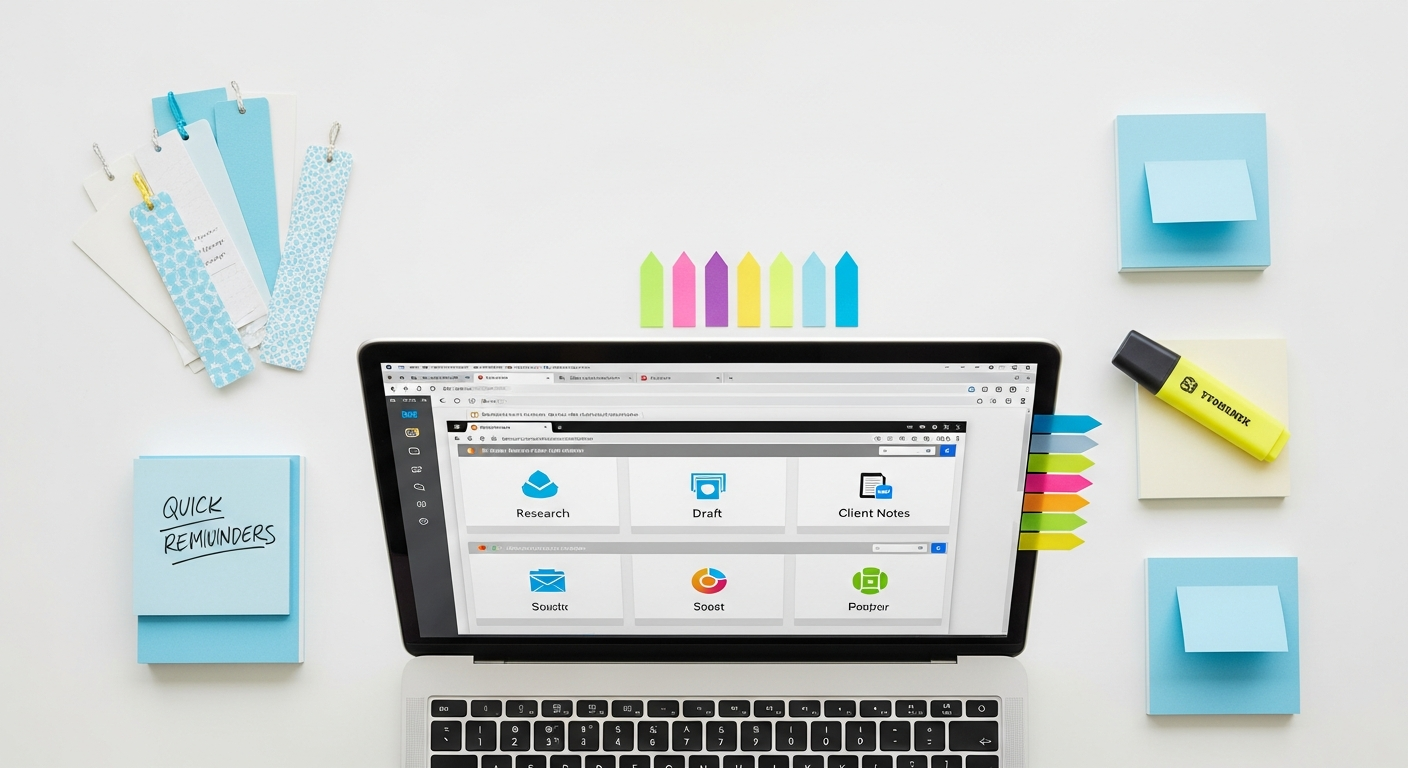
Your RSS reader is the central hub where all your chosen content converges. Selecting the right one is crucial, as it dictates your reading experience, organizational capabilities, and integration potential. By 2026, the market offers a diverse range of options, from simple, free clients to powerful, AI-augmented platforms. Consider your budget, desired features, and the platforms you primarily use when making your choice.
Key Considerations When Choosing an RSS Reader:
- Platform Availability: Do you need it on web, desktop (Windows, macOS, Linux), or mobile (iOS, Android)? Cloud-based readers offer seamless sync across devices.
- Feature Set: Do you need advanced filtering, search capabilities, read-it-later integrations, AI-powered summarization, or team collaboration?
- Pricing Model: Many offer a free tier with basic features, while paid subscriptions unlock advanced functionalities.
- User Interface (UI) & User Experience (UX): A clean, intuitive interface is vital for a pleasant reading experience.
- Offline Reading: Is it important to access your articles without an internet connection?
- Privacy: Consider the data policies of cloud-based services.
Top RSS Readers for 2026:
- Feedly:
- Overview: One of the most popular and robust web-based RSS readers, with excellent mobile apps. Feedly has evolved significantly, incorporating AI features (Leo) to help you prioritize and filter information.
- Key Features: AI assistant (Leo) for summarization, trend detection, and muting keywords; team collaboration features; extensive integrations (Evernote, Pocket, Zapier); customizable dashboards; newsletter integration.
- Pricing: Free (up to 100 feeds); Pro ($6-$8/month, for 1000 feeds, advanced search, integrations); Business ($12-$18/month, for teams, more feeds, AI power-ups); Enterprise (custom pricing).
- Best For: Professionals, researchers, and teams who need powerful filtering, AI assistance, and collaboration tools to manage a large volume of feeds.
- Inoreader:
- Overview: A highly powerful and customizable web-based reader with strong mobile apps, known for its extensive set of rules, filters, and active search capabilities.
- Key Features: Advanced filtering rules (if-then statements); active searches (turning search queries into feeds); monitoring social media (Twitter, Facebook pages); newsletter subscriptions to RSS; web page monitoring; full article content extraction.
- Pricing: Free (up to 150 feeds, basic features); Starter ($9.99/month, 500 feeds, ad-free, rules); Pro ($19.99/month, unlimited feeds, active searches, full content); Enterprise (custom pricing).
- Best For: Power users, researchers, and anyone who needs granular control over their feeds, advanced automation, and monitoring capabilities.
- NewsBlur:
- Overview: A web-based RSS reader with native mobile apps, emphasizing the “original site” view and community features. It also offers a self-hosting option for ultimate control.
- Key Features: Original site view (fetching the full article content); training filters to hide or show stories based on keywords/authors; social sharing and commenting; self-hosting option.
- Pricing: Free (up to 64 feeds, limited features); Premium ($36/year, unlimited feeds, full text, faster updates).
- Best For: Users who prefer to see content as it appears on the original website, value community features, or desire a self-hosted solution.
- Reeder 5 (macOS/iOS):
- Overview: A premium, native application for Apple devices, renowned for its beautiful interface, speed, and robust offline reading capabilities. It syncs with various backend services (Feedly, Inoreader, Feedbin, etc.).
- Key Features: Beautiful, customizable interface; Bionic Reading mode; image viewer; read-it-later integration (Pocket, Instapaper); excellent offline reading; support for multiple sync services.
- Pricing: One-time purchase ($9.99 for iOS/iPadOS, $9.99 for macOS).
- Best For: Apple users who prioritize a polished native experience, offline reading, and have an existing sync service.
- NetNewsWire (macOS/iOS):
- Overview: A free, open-source native RSS reader for Apple platforms. It’s fast, reliable, and offers a clean, straightforward reading experience without a subscription model.
- Key Features: Free and open-source; fast syncing; iCloud sync; read-it-later integration; share sheet support; dark mode.
- Pricing: Free.
- Best For: Apple users looking for a free, no-frills, fast, and native RSS reading experience without advanced features or cloud-based services.
By carefully evaluating these options against your personal needs, you can select an RSS reader that will serve as the reliable backbone of your information strategy for 2026 and beyond.
Discovering and Adding High-Quality Feeds (The Art of Source Selection)
The effectiveness of your RSS strategy hinges entirely on the quality of the feeds you subscribe to. By 2026, the sheer volume of online content makes discerning valuable sources more critical than ever. Think of your RSS reader as a curated library; you want to stock it with authoritative, relevant, and consistent content, not junk mail.
Strategies for Finding Excellent Feeds:
- Look for the RSS Icon: Many reputable websites, blogs, and news outlets still prominently display an RSS icon (often an orange square with a white dot and two arcs) in their footer, sidebar, or contact section. Click it, and you’ll usually find the feed URL.
- Browser Extensions: Install an “RSS Finder” or “RSS Subscription” extension for your browser (e.g., “RSS Subscription Extension” for Chrome, “RSS Reader” for Firefox). These extensions automatically detect available RSS feeds on any webpage you visit, making subscription effortless.
- RSS Directories and Bundles:
- Feedly Discover: Feedly has a powerful “Discover” section where you can search for topics, publications, and even follow “collections” or “bundles” created by other users or Feedly editors.
- Inoreader Bundles: Similar to Feedly, Inoreader offers curated bundles of feeds on various topics, making it easy to get started with high-quality content.
- Industry-Specific Aggregators: Many niche industries have their own aggregators or “planet” sites that collect RSS feeds from relevant blogs.
- Convert Newsletters to RSS: Many valuable insights are shared via email newsletters. Tools like Kill the Newsletter! or built-in features in readers like Inoreader allow you to generate a unique email address for a newsletter, which then converts its content into an RSS feed. This brings all your essential content into one place.
- Monitor Specific Authors/Topics: Instead of subscribing to an entire news site, look for RSS feeds for specific authors you follow, or even categories within a larger site. For example, if you’re only interested in “AI Ethics” from a tech publication, check if they offer a category-specific feed.
- Podcast Feeds: Most podcasts offer an RSS feed. You can add these to many RSS readers to keep track of new episodes, although you’ll typically listen in a dedicated podcast app.
- YouTube Channels: While YouTube has its own subscription system, you can often find RSS feeds for individual channels (sometimes requiring a bit of URL manipulation or third-party tools) to track new uploads in your reader.
- Google Alerts to RSS: Create a Google Alert for specific keywords or phrases, and then use the RSS option within Google Alerts to generate a feed. This is excellent for monitoring mentions of your company, specific research topics, or emerging trends.
Criteria for High-Quality Feed Selection:
- Relevance: Does the content directly contribute to your learning goals, professional development, or personal interests? Be ruthless in unsubscribing from anything that doesn’t.
- Authority & Credibility: Is the source reputable? Are the authors experts in their field? Prioritize well-researched, fact-checked content.
- Consistency & Frequency: Does the feed publish regularly, but not excessively? A feed that updates once a month might be too slow, while one that posts 50 times a day might be overwhelming unless it’s a critical news wire.
- Content Depth: Does the feed offer insightful analysis, practical advice, or unique perspectives, or is it just rehashing common knowledge?
- Minimal Self-Promotion/Advertising: While some is expected, feeds that are overtly promotional or filled with internal ads can detract from the reading experience.
By actively curating your feed list with these strategies and criteria, you’ll build a powerful, personalized information stream that truly serves your needs by 2026.
Organizing and Categorizing Your Feeds for Maximum Efficiency (Taming the Information Beast)
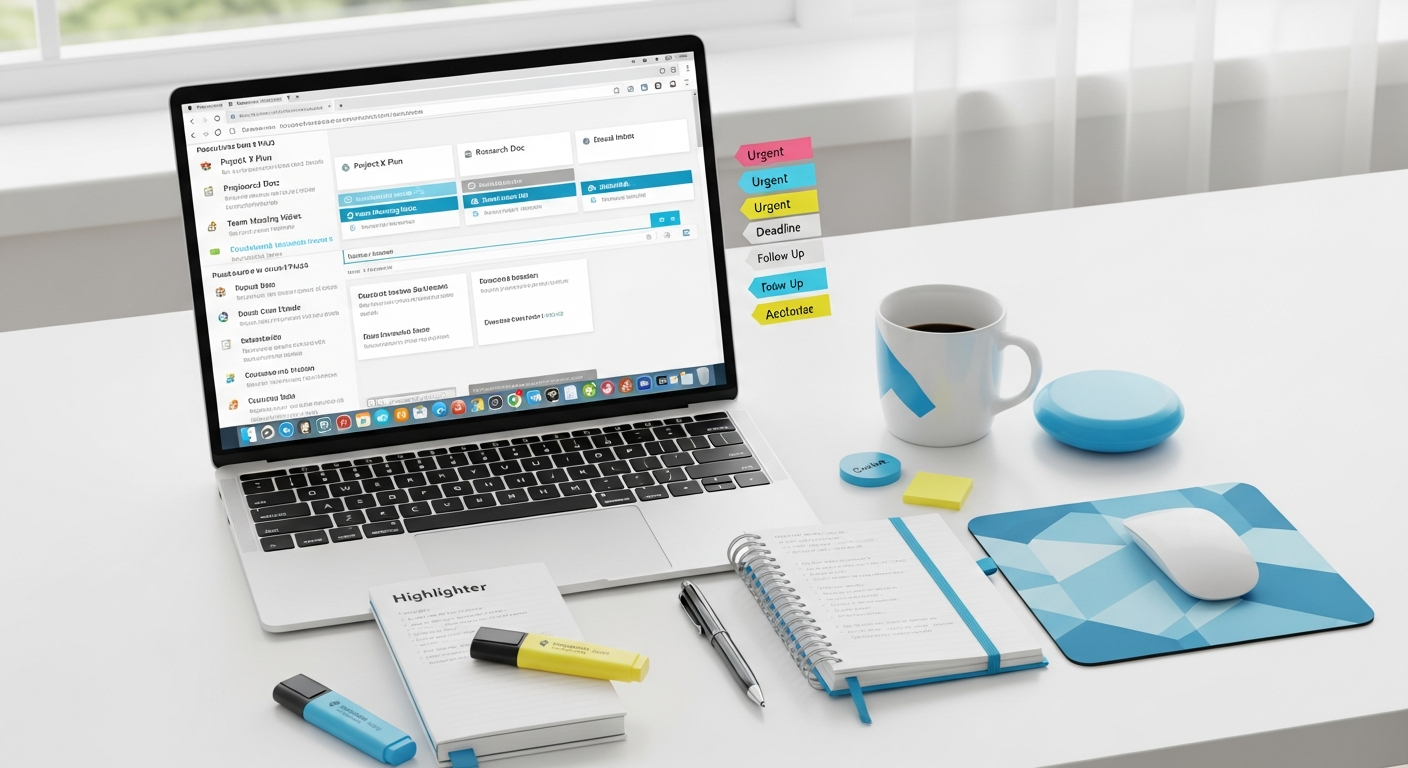
Once you’ve started adding feeds, the next critical step is to organize them effectively. An unorganized RSS reader can quickly become just another source of overwhelm. By 2026, with the sheer volume of content available, robust organization is non-negotiable for maintaining focus and ensuring you can quickly find the information you need.
Strategies for Effective Feed Organization:
- Folders and Categories: This is the most fundamental organizational tool. Create logical categories based on your interests, professional responsibilities, or content types.
- Examples:
- Professional Development: “AI & Machine Learning,” “Product Management,” “Digital Marketing Trends,” “Leadership Insights”
- Industry News: “Tech News,” “Financial Markets,” “Healthcare Innovation,” “Environmental Policy”
- Personal Interests: “Photography Tutorials,” “Cooking & Recipes,” “Fitness & Wellness,” “Travel Guides”
- Specific Projects: Create a temporary folder for a current project to gather all relevant research feeds.
- Must-Read Daily: A small, highly prioritized folder for critical updates.
- Examples:
- Prioritization: Not all feeds are created equal. Many RSS readers allow you to mark certain feeds or folders as “high priority” or “daily check.” This helps you quickly triage your unread articles.
- Example: Your “Industry News” folder might be a daily priority, while your “Hobby Blogs” folder is a weekly check.
- Tagging and Labeling: Beyond folders, tags offer a flexible way to cross-categorize articles. An article from “Tech News” might also be tagged “AI” and “Ethics.” This allows for more dynamic searching and filtering later.
- Smart Lists and Rules (Feedly Leo, Inoreader): This is where advanced RSS readers shine. You can set up automated rules to:
- Highlight Keywords: Automatically flag articles containing specific terms (e.g., “quantum computing,” “sustainable energy”).
- Mute Topics: Hide articles that contain keywords you’re not interested in (e.g., mute “celebrity gossip” from a general news feed).
- Filter by Author: Prioritize or filter out articles from specific authors.
- Sort by Engagement: Some readers can show you articles that are trending or receiving high engagement within your feeds.
- Send to Read-Later: Automatically send articles from specific feeds or with certain keywords to your Pocket or Instapaper queue.
- Regular Audits: Your interests and needs will evolve. Schedule a quarterly or bi-annual review of your RSS feeds.
- Unsubscribe from feeds that are no longer relevant, too frequent, or consistently low quality.
- Discover new feeds to fill gaps in your information diet.
- Re-evaluate your folder structure.
- Mark as Read Strategies:
- Mark All as Read: For lower-priority folders, sometimes it’s more efficient to simply mark all unread articles as read and move on if you’re short on time.
- Scroll and Scan: Quickly scroll through headlines and snippets in higher-priority folders, opening only the most relevant articles.
By implementing these organizational strategies, you transform your RSS reader from a chaotic firehose into a finely tuned information machine, ensuring that by 2026, you’re always consuming content purposefully and efficiently.
Advanced Strategies for Personalization and Automation in 2026 (Beyond Basic Reading)
As we approach 2026, RSS readers are no longer just simple aggregators. They have evolved into powerful platforms for highly personalized information consumption and automation. Leveraging these advanced features can exponentially increase your productivity and ensure you’re always on top of critical developments without manual effort.
Deep Personalization with Filters and Rules:
- Granular Keyword Filters: Go beyond simple keyword searches. In tools like Inoreader or Feedly (with Leo), you can create complex rules. For example, “Show me articles from ‘TechCrunch’ that contain ‘AI’ AND ‘ethics’ but NOT ‘funding round’.” This cuts through immense noise.
- Regular Expression (Regex) Matching: For advanced users, regex allows for incredibly precise pattern matching in titles or content, enabling you to capture very specific types of information.
- Sentiment Analysis (Emerging): Some AI-powered readers are beginning to experiment with sentiment analysis, allowing you to prioritize articles based on their perceived tone (e.g., positive news about a specific company).
Automation and Integration for Seamless Workflows:
The true power of an advanced RSS strategy in 2026 lies in its ability to integrate with your broader productivity ecosystem. This often involves using services like IFTTT (If This Then That) or Zapier, or leveraging built-in reader integrations.
- Read-It-Later Services:
- Automatic Sending: Set up rules to automatically send articles from specific feeds or containing certain keywords to Pocket or Instapaper for deeper, focused reading later. This clears your RSS inbox while ensuring important content isn’t lost.
- One-Click Saving: Most readers have a “send to Pocket/Instapaper” button for manual saving.
- Newsletter Conversion: As mentioned, tools like Kill the Newsletter! or Inoreader’s built-in feature allow you to subscribe to email newsletters via RSS. This centralizes all your curated content in one place, eliminating inbox clutter.
- Monitoring Specific Queries & Alerts:
- Google Alerts to RSS: Create Google Alerts for competitors, industry trends, new research papers, or personal mentions, and then grab the RSS feed for each alert. This turns Google into a powerful, automated monitoring tool within your reader.
- Forum/Reddit Monitoring: Many forums and subreddits offer RSS feeds for new posts or comments. This is invaluable for staying updated on niche discussions or community feedback.
- Job Boards/Price Trackers: Some specialized sites (e.g., certain job boards, flight trackers) offer RSS feeds for new listings or price changes.
- AI Augmentation (Feedly Leo):
- Smart Summaries: Get concise summaries of lengthy articles, saving you time.
- Trend Detection: Leo can identify emerging trends across your feeds, highlighting what’s gaining traction in your areas of interest.
- Deduplication: Intelligently identify and hide duplicate articles from multiple sources.
- Team Collaboration (Feedly, Inoreader Business Tiers):
- Shared Boards/Folders: Create shared collections of feeds for your team, ensuring everyone is on the same page regarding industry news or project updates.
- Annotation & Sharing: Highlight key passages, add notes, and share articles directly with colleagues from within the RSS reader.
- Internal Communication Integration: Integrate with Slack or Microsoft Teams to automatically post relevant articles to specific channels based on keywords.
- IFTTT/Zapier Integrations: The possibilities here are vast:
- RSS to Note-Taking Apps: Automatically send articles from specific feeds to Notion, Evernote, Obsidian, or OneNote for archiving or further processing.
- RSS to Project Management: Create tasks in Asana or Trello when an article from a critical feed mentions a specific project keyword.
- RSS to Social Media: (Use with caution!) Automatically post headlines from certain feeds to Twitter or LinkedIn, but only for highly curated, non-promotional content.
- RSS to Email Digest: If you prefer, compile a daily digest of top articles from your RSS feeds and email it to yourself.
By thoughtfully applying these advanced personalization and automation strategies, your RSS feed system will transform into an intelligent, proactive information assistant by 2026, dramatically enhancing your productivity and keeping you ahead of the curve.
Integrating RSS into Your Daily Productivity Workflow (Making it Stick)
Having a perfectly curated and automated RSS system is only half the battle. The other half is seamlessly integrating its consumption into your daily productivity workflow so that it genuinely enhances, rather than competes with, your focus. By 2026, efficient information consumption needs to be a habit, not an afterthought.
Practical Tips for Daily Integration:
- Schedule Dedicated Reading Blocks: Avoid the temptation to constantly check your RSS reader. Instead, allocate specific, short blocks of time each day (e.g., 15-30 minutes in the morning, another 15 minutes after lunch) for processing your feeds. Treat this time as sacred as any other meeting.
- Batch Processing: During your scheduled time, focus on batch processing. Quickly scan headlines, open truly interesting articles in new tabs (or send to your read-it-later app), and then mark the rest as read. Don’t get bogged down reading every article in real-time.
- Leverage Mobile Access: Your commute, waiting in line, or short breaks are prime opportunities for RSS consumption. Ensure your chosen RSS reader has an excellent mobile app with offline reading capabilities. This turns dead time into productive learning time.
- Master Keyboard Shortcuts: For desktop users, learning the keyboard shortcuts for your RSS reader (e.g., ‘j’ for next article, ‘k’ for previous, ‘v’ to open in browser, ‘m’ to mark as read) can dramatically speed up your processing time.
- Integrate with Note-Taking and Knowledge Management:
- Direct Saving: Many RSS readers integrate directly with apps like Evernote, Notion, or Obsidian. Send articles or snippets that contain valuable insights for future reference.
- Highlighting & Annotation: Use built-in highlighting tools to mark key passages before sending them to your knowledge base.
- Summary Generation: If your reader has AI summarization (like Feedly Leo), use it to quickly extract core ideas and save those to your notes.
- The “Inbox Zero” for RSS: While not always strictly achievable, aim to process your high-priority feeds to “zero” unread items during your dedicated blocks. For lower-priority feeds, it’s perfectly acceptable to mark all as read if you’ve scanned headlines and nothing immediately grabs your attention.
- Review and Refine Regularly: Your information needs are dynamic. Set a recurring calendar reminder (e.g., quarterly) to review your entire list of RSS feeds.
- Are there any feeds that are consistently irrelevant? Unsubscribe.
- Are there gaps in your information diet? Seek out new feeds.
- Is your categorization still optimal? Adjust folders and tags.
- Mindset Shift: Curated Library vs. Firehose: Change your perspective. Your RSS reader isn’t a social media feed to be endlessly scrolled. It’s a personalized library of content you’ve intentionally chosen. Approach it with a clear purpose: to learn, to stay informed, or to gather specific data.
- Avoid Multitasking: When you’re in your RSS reading block, close other tabs and notifications. Give your full attention to processing the information. This deep focus will lead to better retention and more efficient decision-making.
By embedding these practices into your daily routine, your RSS feed strategy will become a powerful, seamless component of your productivity stack, ensuring you receive and process valuable information with maximum efficiency by 2026.
Comparison of Leading RSS Readers (2026 Edition)
To help you make an informed decision, here’s a comparison table of some of the leading RSS readers discussed, highlighting their key features, pricing, and ideal user profiles for 2026.
| Tool | Pricing (as of 2026, approximate) | Key Features | Best For |
|---|---|---|---|
| Feedly | Free (100 feeds); Pro ($6-8/month); Business ($12-18/month) | AI assistant (Leo) for summarization & trends, team collaboration, extensive integrations (Evernote, Pocket, Zap |