
Brakes are the one system on a car where a cheap repair is the most expensive outcome possible. A pad that was not seated correctly or a rotor that was turned past its minimum thickness will pass a parking-lot test and fail on a highway off-ramp. Ledgewood Car Care Center & Exhaust treats its brake work as the service everything else depends on, and the reasons are worth understanding before you hand over the keys anywhere.
What a Proper Brake Service Includes
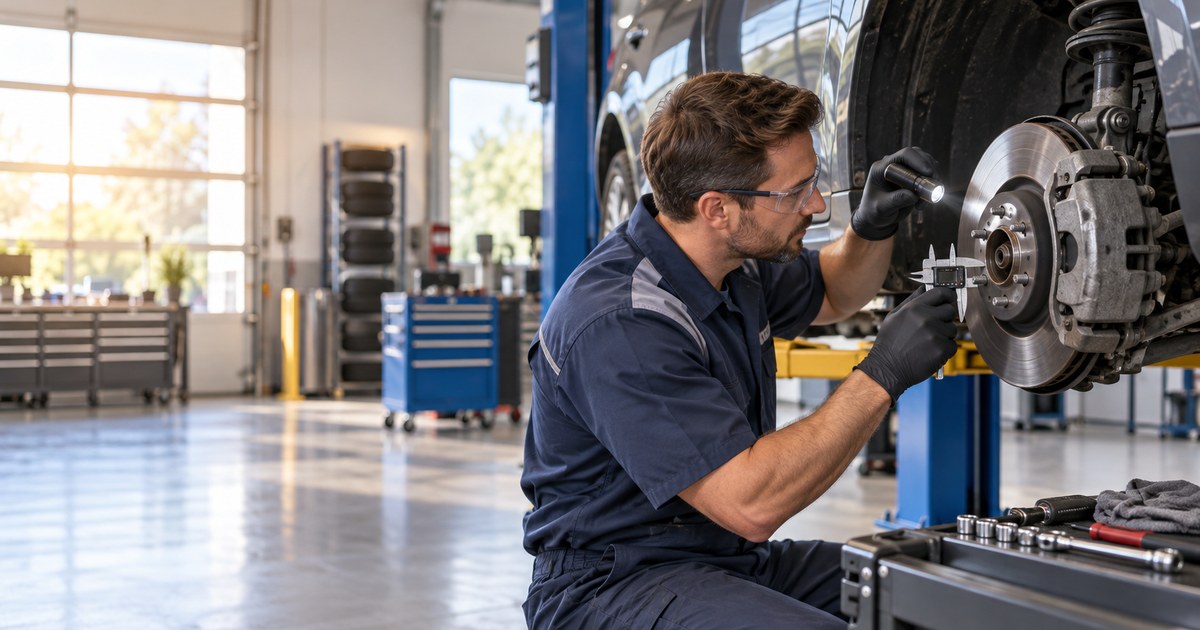
A brake job is more than swapping pads. The caliper slides have to move freely, the rotor thickness has to be measured against the manufacturer's minimum rather than guessed, and the brake fluid should be tested for moisture, since fluid that has absorbed water boils under hard use and the pedal goes to the floor. A shop that quotes a flat pad replacement without measuring anything is selling you the pads.
Ledgewood's approach starts with that inspection and a written account of what was found, so the work recommended matches the car in front of them. A vehicle that tows needs different attention than a commuter, and a one-size service ignores that.
The People Doing the Work
Brake systems have changed faster than most drivers realize. Electronic parking brakes, adaptive cruise control tied to the braking system, and regenerative braking on hybrids all mean a pad swap can now involve putting the car into a service mode with a scan tool. A technician who learned the trade twenty years ago and stopped learning will damage one of these systems trying to do it the old way.
The relevant question for any shop is whether its people are trained on current systems and have the diagnostic equipment to go with it. Experience matters, but only the kind that has been kept up to date. Ask what happens when a car comes in with a brake-related warning light, because the answer tells you whether they diagnose or just replace parts until it goes away.
Equipment and Verification
Good results come from measuring twice. Rotor runout, pad thickness and caliper piston retraction are all things an instrument confirms and an eyeball approximates. Ledgewood equips the bay so these get checked rather than assumed, and road tests the car afterward instead of handing back the keys at the counter.
That verification step is where a lot of shops save time and where comebacks come from. A brake pedal that feels wrong at low speed in the parking lot will feel worse in an emergency stop, and finding it before the customer leaves costs the shop ten minutes. Finding it after costs the customer considerably more.
How to Judge the Shop Yourself
You do not need to know brakes to evaluate the service. Watch for a few things.
- They show you the old parts. Worn pads and scored rotors are visible evidence, and a shop confident in its diagnosis will hand them to you.
- The quote is specific. Pads, rotors, hardware and fluid listed separately, with measurements, beats a single round number.
- They explain what can wait. Recommending only what is needed now, and saying so about the rest, is the sign of a shop you can come back to.
Ledgewood has built its brake business on repeat customers, which is the only reputation that is hard to fake. A shop survives on that by getting the repair right the first time and being straight about what it found. Bring the car in when the pedal changes, when you hear grinding, or when the warning light comes on, and not six months after you first noticed.
Warning Signs Worth Acting On
Brakes announce trouble early, and the announcements are specific. A pedal that sinks slowly toward the floor points to fluid loss or air in the system. A pedal that feels firm but stops the car poorly suggests worn pads or glazed rotors. Vibration under braking usually means a rotor that is no longer true. A grinding noise means the friction material is gone and metal is meeting metal, which is the stage where the repair gets substantially more expensive.
Pulling to one side under braking deserves the same urgency. It can be a stuck caliper, and a stuck caliper generates heat that damages the rotor and, in the worst case, the wheel bearing near it. None of these improve with time or with topping up the fluid. Driving on them turns a pad replacement into a rotor, caliper and fluid job.
What the Repair Should Cost You in Time
Most brake work is a same-day job, and a shop that needs the car for three days on a straightforward pad and rotor replacement is either backed up or waiting on parts it should have had. The exception is when the inspection turns up something the quote did not cover, like a seized caliper. That is legitimate, and you should be called before the extra work begins rather than presented with it at pickup.
Ask for the old parts back. It costs the shop nothing, it confirms the work was done, and it teaches you what worn brakes actually look like, which makes the next conversation about them a shorter one. A shop comfortable with that request is a shop comfortable with its own work.
Between Services
Brakes last longer when the rest of the car cooperates. Tires worn unevenly or kept below their recommended pressure make the braking system work harder and wear it faster, so a brake complaint and a tire problem are often the same visit. Overloaded driving, especially towing beyond the vehicle's rating, overheats rotors and glazes pads in short order.
Your own habits matter just as much. Riding the brake pedal downhill, or braking late and hard instead of early and smooth, generates the heat that warps rotors. Coasting and engine braking on long descents saves the friction material for when you actually need it.
Have the brakes looked at on the same interval as your tire rotations rather than waiting for a noise. An inspection is cheap, and the point of it is to replace pads while they are still protecting the rotors. Catching wear at that stage is the difference between a modest service and the full job, and it is the habit that keeps the expensive version from ever happening.
After the Repair
New brakes need a short bedding-in period. For the first hundred miles or so, avoid hard stops so the pad material transfers evenly onto the rotor. One panic stop on brand-new rotors can leave deposits that cause the vibration you just paid to eliminate. The shop should tell you this at pickup. If they do not, now you know anyway.
Listen for the first few days. A light noise while the pads bed in is normal and fades. A grinding noise, a pull, or a warning light is not, and it belongs back at the shop immediately rather than after a week of hoping it settles. Warranty work is fastest when the problem is reported early, and a reputable shop would rather see you twice than have a brake repair fail quietly. Brakes are the system you never want to wonder about, and a careful shop makes sure you do not have to. Measure, test, verify on the road, and stand behind the work: those four habits are what separate a brake repair you forget about from one you remember for the wrong reason.