Master Your Digital Clutter: How to Organmarks Bookmarks Effectively
In an age where information is abundant, managing digital clutter has become essential for productivity. Organizing bookmarks effectively can streamline your online experience, making it easier to access important resources. This article will guide you through the best practices for organizing bookmarks, the benefits of using digital bookmark managers, and the tools available to help you master your digital clutter. Many users struggle with disorganized bookmarks, leading to wasted time and frustration. By implementing effective link management strategies, you can enhance your productivity and ensure that your digital workspace remains clutter-free. We will explore key features of bookmark management tools, best practices for organization, and recommended tools to help you achieve optimal digital organization.
Key Features of Bookmark Management Tools
Bookmark management tools are designed to simplify the process of organizing and retrieving web links. These tools typically offer several essential features that enhance user experience and efficiency.
- Tagging System: A robust tagging system allows users to categorize bookmarks for easy retrieval. This feature enables quick access to specific links based on user-defined tags.
- Cross-Device Synchronization: Many bookmark managers support synchronization across multiple devices, ensuring that your bookmarks are accessible wherever you are.
- Search Capabilities: Advanced search functionalities help users locate bookmarks quickly, even in large collections.
These features collectively contribute to a more organized and efficient digital workspace, making it easier to manage your online resources.
Benefits of Using Digital Bookmark Managers
Digital bookmark managers offer numerous advantages that can significantly improve your online experience. Here are some key benefits:
- Improved Organization: By categorizing and tagging bookmarks, users can maintain a structured collection that is easy to navigate.
- Enhanced Productivity: With quick access to frequently used links, users can save time and focus on their tasks without the distraction of searching for bookmarks.
- Content Curation: Bookmark managers allow users to curate content from various sources, making it easier to gather and share information.
For those looking to enhance their bookmark management, tools like Information Hub can provide valuable solutions tailored to your needs.
Best Practices for Organizing Bookmarks

To maximize the effectiveness of your bookmark management, consider implementing the following best practices:
- Conduct a Bookmark Audit: Regularly review your bookmarks to remove outdated or irrelevant links. This helps maintain a clean and organized collection.
- Implement a Tagging System: Use descriptive tags to categorize bookmarks. This will facilitate easier retrieval and organization.
- Create Categories: Organize bookmarks into specific categories based on themes or topics. This hierarchical structure can simplify navigation.
By following these practices, you can ensure that your bookmarks remain organized and accessible.
Recommended Tools
Several tools can assist you in managing your bookmarks effectively. Here are some popular options:
The emergence of the Social Web has profoundly influenced how users interact with information, with social tagging and bookmarking systems becoming central to managing and sharing resources online.
Social Tagging & Bookmarking for Information Access
With the growth of the Social Web, a variety of new web-based services arose and changed the way users interact with the internet and consume information. One central phenomenon was and is tagging which allows to manage, organize and access information in social systems. Tagging helps to manage all kinds of resources, making their access much easier. The first type of social tagging systems were social bookmarking systems, i.e., platforms for storing and sharing bookmarks on the web rather than just in the browser.
Accessing information with tags: search and ranking, A Hotho, 2018
- Raindrop.io: A versatile bookmark manager that offers tagging, organization, and cross-device synchronization.
- Pocket: Ideal for saving articles and web pages for later reading, Pocket allows users to categorize and tag content easily.
- Notion: A comprehensive tool that combines note-taking and bookmark management, allowing users to create a personalized workspace.
These tools can help streamline your bookmark organization process and enhance your overall productivity.
How Do Bookmark Management Tools Support Efficient Link Organization?
Bookmark management tools enhance link organization through various mechanisms. They allow users to categorize links effectively, making it easier to retrieve them when needed. The tagging systems enable quick access to specific bookmarks, while cross-device synchronization ensures that users can access their organized links from any device. This level of organization not only saves time but also reduces the cognitive load associated with managing numerous bookmarks.
Indeed, research underscores that while these tools aim to boost user efficiency and reduce cognitive load, the complex nature of human information behavior presents ongoing challenges for their validation and improvement.
Enhancing Bookmark Management Tools for User Efficiency
These various bookmark management tools aim to help users organize bookmarks more effectively and efficiently, thereby improving their information retrieval performance and reducing cognitive load. Unfortunately, these efforts lack further validation and improvement results. Partially, this is due to the complexity of human information behavior and the multidimensional context in which bookmarking activities occur.
Exploring the Effects of Multidimensional Context on Human Performance in Personal Bookmark Management, ST Shen, 2013
Which Features Differentiate Top Bookmark Organizers in 2024?
As technology evolves, so do the features of bookmark organizers. In 2024, the following features are expected to set top bookmark managers apart:
- Visual Previews: The ability to see a visual preview of the bookmarked page can help users quickly identify the content.
- Offline Access: Some tools will allow users to access their bookmarks even without an internet connection, enhancing usability.
- Collaboration Features: Enhanced sharing and collaboration options will enable users to work together on bookmark collections.
These features will provide users with a more comprehensive and user-friendly experience.
How to Categorize and Tag Bookmarks for Optimal Digital Organization?
Effective categorization and tagging of bookmarks are crucial for maintaining an organized digital space. Here are some methods to consider:
- Use Descriptive Tags: Tags should be specific and descriptive to facilitate easy retrieval. For example, instead of using generic tags like “articles,” consider using “marketing articles” or “health tips.”
- Maintain Consistency: Consistent tagging practices help ensure that bookmarks are organized uniformly, making it easier to find them later.
- Regularly Review Categories: Periodically assess your categories and tags to ensure they still align with your current needs and interests.
By implementing these strategies, you can optimize your bookmark organization for better efficiency.
What Are Best Practices for Bookmark Folder Structures and Tagging Strategies?
Creating an effective folder structure and tagging strategy is essential for efficient bookmark management. Here are some best practices:
- Hierarchical Folder Systems: Organize bookmarks into a hierarchy of folders, starting with broad categories and narrowing down to specific topics.
- Descriptive Tagging: Use clear and descriptive tags that accurately reflect the content of the bookmarks. This will aid in quick identification and retrieval.
- Regular Maintenance: Schedule regular maintenance to review and update your folder structures and tags, ensuring they remain relevant.
These practices will help you maintain a well-organized bookmark collection.
How Can Advanced Tagging Taxonomies Enhance Bookmark Retrieval?
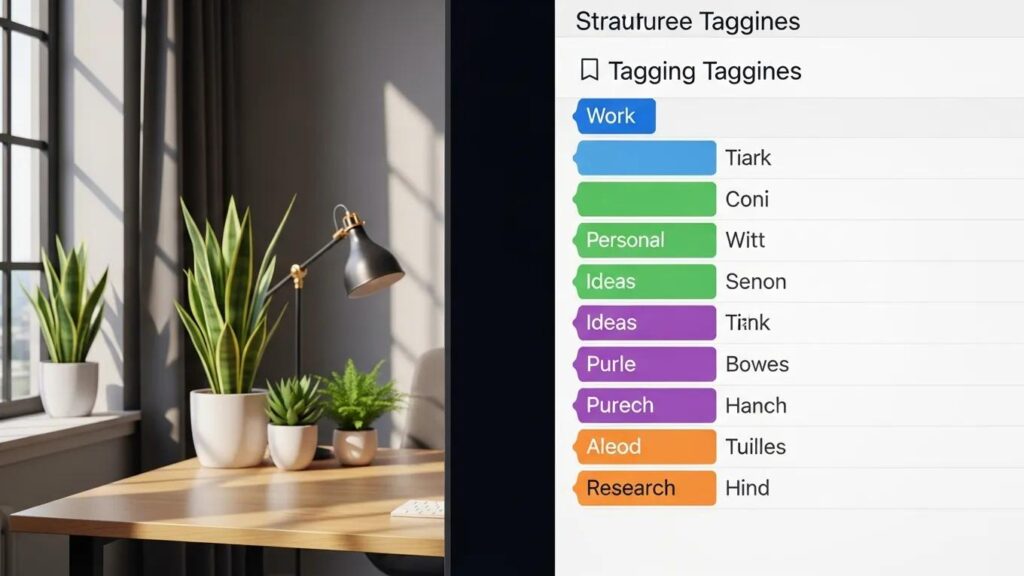
Advanced tagging taxonomies can significantly improve bookmark retrieval by providing a structured approach to categorization. Here are some benefits:
- Descriptive Tags for Quick Identification: Using detailed tags allows users to quickly identify the content of bookmarks without needing to open each one.
- Consistent Tagging for Grouping: Consistency in tagging helps group similar bookmarks together, making it easier to find related content.
- Limiting Tags for Clarity: Avoiding excessive tagging can prevent confusion and ensure that each bookmark is easily identifiable.
Implementing these advanced tagging strategies can enhance your overall bookmark management experience.
What Are Effective Bookmark Syncing and Backup Solutions Across Devices?
To ensure that your bookmarks are always accessible, consider the following syncing and backup solutions:
- Cloud-Based Syncing Services: Many bookmark managers offer cloud-based syncing, allowing users to access their bookmarks from any device.
- Browser Integration: Some tools integrate directly with popular browsers, making it easy to save and organize bookmarks as you browse.
- Backup Methods: Regularly exporting bookmarks or using dedicated backup tools can help preserve your collection in case of data loss.
These solutions will help you maintain access to your bookmarks across devices while ensuring their security.
How Do Cloud-Based Bookmark Syncing Services Integrate with Popular Browsers?
Cloud-based bookmark syncing services integrate seamlessly with popular browsers, providing users with a smooth experience. These services typically offer:
- Compatibility with Major Browsers: Most bookmark managers support integration with browsers like Chrome, Firefox, and Safari.
- Real-Time Updates: Changes made to bookmarks are updated in real-time across all devices, ensuring consistency.
- User-Friendly Interfaces: Many tools feature intuitive interfaces that make it easy to manage bookmarks directly from the browser.
This integration enhances the overall user experience and simplifies bookmark management.
What Backup Methods Ensure Secure Preservation of Digital Bookmarks?
To secure your digital bookmarks, consider implementing the following backup methods:
- Exporting Bookmarks: Regularly export your bookmarks to a file format that can be easily imported later. This provides a safeguard against data loss.
- Using Backup Tools: Dedicated backup tools can automate the process of saving your bookmarks, ensuring they are preserved without manual effort.
- Regular Audits: Conducting regular audits of your bookmarks can help identify any issues and ensure that your backup methods are effective.
These methods will help you maintain a secure and reliable bookmark collection.
Which Strategies Help Declutter Digital Links and Improve Bookmark Management?
Decluttering digital links is essential for effective bookmark management. Here are some strategies to consider:
- Conducting a Bookmark Audit: Regularly review your bookmarks to remove outdated or irrelevant links, keeping your collection clean.
- Implementing a Structured Framework: Establish a clear framework for organizing bookmarks, including categories and tags.
- Choosing the Right Tools: Utilize bookmark management tools that align with your organizational needs and preferences.
By following these strategies, you can significantly improve your bookmark management and reduce digital clutter.
What Practical Tips Reduce Digital Clutter Through Bookmark Organization?
To effectively reduce digital clutter, consider these practical tips:
- Using Action-First Naming Conventions: Name bookmarks based on the action you intend to take, such as “Read Later” or “Research for Project X.”
- Regular Maintenance Routines: Schedule regular times to review and organize your bookmarks, ensuring they remain relevant and useful.
- Visual Cues for Identification: Use icons or images to help identify bookmarks quickly, making navigation easier.
Implementing these tips can lead to a more organized and efficient digital workspace.
How Can Case Studies Illustrate Productivity Gains from Decluttering?
Case studies can provide valuable insights into the productivity gains achieved through effective bookmark organization. For example:
- Examples of Improved Efficiency: Many users report significant time savings after implementing structured bookmark management systems.
- Quantitative Data on Time Saved: Studies show that organized bookmarks can reduce search time by a noticeable margin, allowing users to focus on their tasks.
- User Testimonials: Feedback from users highlights the positive impact of decluttering on their overall productivity and online experience.
These case studies illustrate the tangible benefits of effective bookmark management.
How to Share and Collaborate on Bookmarks Securely and Efficiently?
Sharing and collaborating on bookmarks can enhance teamwork and information sharing. Here are some methods to do so securely:
- Using Secure Tools: Choose bookmark managers that prioritize security and offer features for safe sharing.
- Setting Permissions: Establish clear permissions for shared bookmarks to control who can view or edit links.
- Educating Team Members: Ensure that all team members understand the best practices for sharing and managing bookmarks securely.
By following these methods, you can facilitate effective collaboration while maintaining security.
What Platforms Facilitate Secure Bookmark Sharing and Collaboration?
Several platforms are designed to facilitate secure bookmark sharing and collaboration. Here are some notable options:
- Raindrop.io: Offers robust sharing features with customizable permissions for collaborative projects.
- Notion: Combines note-taking and bookmark management, allowing teams to share resources easily.
- Pocket: Enables users to share saved articles and links with others, making it ideal for collaborative content curation.
These platforms can enhance your ability to share and collaborate on bookmarks securely.
How Do Privacy-Focused Tools Enhance Shared Bookmark Management?
Privacy-focused tools play a crucial role in enhancing shared bookmark management. They offer features such as:
- Setting Permissions: Users can control who has access to shared bookmarks, ensuring that sensitive information remains secure.
- Using Secure Tools: Many privacy-focused bookmark managers utilize encryption to protect user data during sharing.
- Shared Workspaces: These tools often provide dedicated spaces for teams to collaborate on bookmarks while maintaining privacy.
By leveraging these tools, users can enhance their bookmark management while prioritizing privacy and security.