
Identity Theft Protection: Essential Steps to Safeguard Your Digital Self in 2026
What is the Evolving Threat Landscape of Identity Theft in 2026?
Identity theft is fundamentally the fraudulent acquisition and use of a person’s private identifying information, usually for financial gain. While the core concept remains, the methods and scale of these attacks have escalated dramatically, making robust identity theft protection paramount. In 2026, we face a threat landscape far more intricate than just a few years ago. Cybercriminals are leveraging advanced technologies, making their attacks harder to detect and mitigate without proper awareness.
One of the most significant shifts is the integration of Artificial Intelligence (AI) and Machine Learning (ML) into cybercrime. AI-driven phishing attacks, for instance, are becoming incredibly sophisticated. These aren’t the easily identifiable emails with glaring typos of yesteryear. Today, AI can generate highly personalized, grammatically perfect emails that mimic legitimate organizations with uncanny accuracy, making them extremely difficult for even vigilant users to spot. This evolution has also led to the rise of deepfakes – AI-generated audio and video that can impersonate individuals convincingly, potentially leading to social engineering scams that bypass traditional verification methods.
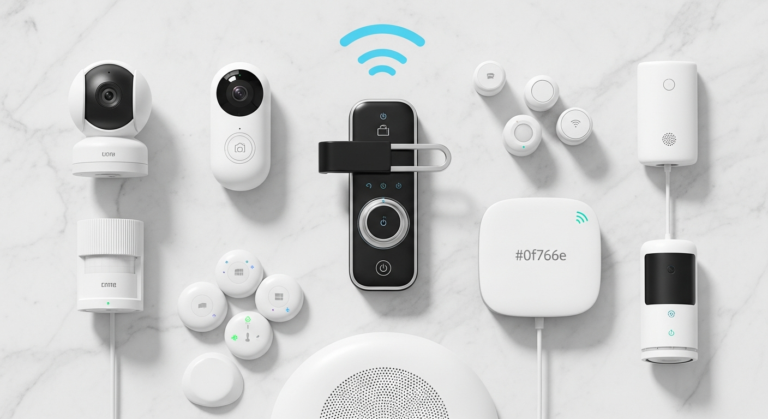
Furthermore, the proliferation of Internet of Things (IoT) devices—from smart home assistants to connected cars—has dramatically expanded the attack surface. Many IoT devices often come with weak default security settings or are rarely updated, creating easy entry points for hackers to infiltrate home networks and access sensitive personal data. A compromised smart thermostat, for example, could be a gateway to your entire home network, where banking details or personal documents might reside.
The rise of cryptocurrency and decentralized finance (DeFi) platforms also presents new avenues for theft. While offering significant advantages, these platforms can be targeted through complex scams, wallet compromises, and sophisticated smart contract exploits, often with irreversible consequences due to the immutable nature of blockchain transactions. Safeguarding your digital assets on these platforms requires an understanding of their unique security challenges.
Actionable Tip: Stay continuously informed about emerging cyber threats by subscribing to reputable cybersecurity news outlets and regularly reviewing updates from organizations like the FTC or your financial institutions. Understanding the latest tactics is the first line of defense in protecting your identity.
How Can You Fortify Your Digital Defenses for Proactive Identity Theft Protection?
Effective identity theft protection hinges on building robust digital defenses across all your online interactions and devices. This proactive approach can significantly reduce your vulnerability to even the most sophisticated attacks. Think of it as constructing a multi-layered security fortress around your digital identity.
Strong Passwords and the Indispensable Role of Password Managers
The foundation of almost all online security is the password. Weak, reused, or easily guessable passwords are an open invitation for cybercriminals. In 2026, the standard for a strong password is no longer just a mix of characters; it’s about uniqueness and length. An ideal password should be at least 12-16 characters long, incorporating a mix of upper and lower case letters, numbers, and symbols. Crucially, each online account should have a completely unique password.
This is where password managers become indispensable. Tools like LastPass, 1Password, Bitwarden, or Dashlane securely store all your complex, unique passwords in an encrypted vault, accessible only with a single, strong master password. They can generate highly secure passwords for new accounts and autofill login credentials, eliminating the need for you to remember dozens of intricate combinations. Many also offer features like dark web monitoring and secure sharing of credentials. Studies have shown that users who employ password managers are significantly less likely to experience account compromise.
The Non-Negotiable Imperative of Multi-Factor Authentication (MFA)
Even the strongest password can be compromised. This is why Multi-Factor Authentication (MFA), also known as Two-Factor Authentication (2FA), is no longer optional—it’s an absolute necessity for robust identity theft protection. MFA adds an extra layer of security by requiring a second form of verification beyond just your password. This could be:
- Something you have: A code sent to your smartphone via SMS, a push notification from an authenticator app (like Google Authenticator or Authy), or a physical security key (like YubiKey).
- Something you are: Biometric data such as a fingerprint or facial scan.
Even if a criminal manages to steal your password, they cannot access your account without this second factor, which they likely won’t possess. Enabling MFA on every service that offers it – email, banking, social media, cloud storage, and any other critical accounts – significantly elevates your security posture.
Keeping Software and Systems Updated
Software vulnerabilities are a primary target for identity thieves. Companies regularly release patches and updates for their operating systems, applications, and web browsers to fix security flaws that hackers could exploit. Procrastinating on these updates leaves you exposed. Make it a habit to:
- Enable automatic updates for your operating systems (Windows, macOS, iOS, Android).
- Regularly update all your applications, especially web browsers, email clients, and productivity suites.
- Ensure your antivirus and anti-malware software definitions are always current.
Each update closes a potential back door that criminals might use to install malware, steal data, or gain unauthorized access to your system.
The Essential Role of Antivirus and Anti-Malware Software
Despite your best efforts, malicious software can still find its way onto your devices. Antivirus and anti-malware software act as your digital immune system, scanning for, detecting, and removing threats like viruses, ransomware, spyware, and trojans. Reputable solutions (e.g., Bitdefender, Norton, McAfee, ESET) offer real-time protection, constantly monitoring your system for suspicious activity and safeguarding your files and personal information.
Actionable Tip: Immediately implement a reputable password manager and commit to enabling Multi-Factor Authentication (MFA) on every online account that supports it. Simultaneously, set all your operating systems and critical applications to update automatically to patch vulnerabilities as soon as they are discovered.
How to Monitor Your Digital Footprint and Financial Health for Identity Theft Protection?
Even with robust preventative measures, constant vigilance is key to effective identity theft protection. Actively monitoring your financial accounts, credit reports, and personal information across the digital realm allows you to detect early warning signs of compromise and act swiftly, minimizing potential damage.
Credit Monitoring and Freezing: Your First Line of Defense
Your credit report is a detailed record of your borrowing history, payment habits, and any new credit accounts opened in your name. Identity thieves often open new credit lines or take out loans using stolen identities. Regularly checking your credit reports from the three major bureaus (Equifax, Experian, TransUnion) is crucial. You are entitled to a free credit report from each bureau once every 12 months via AnnualCreditReport.com.
However, credit monitoring services go a step further. They actively monitor your credit files and alert you to significant changes, such as new account openings, address changes, or unusual inquiries. Many financial institutions and identity theft protection services offer this as a feature.
The ultimate proactive measure is a credit freeze (also known as a security freeze). This prevents anyone, including you, from opening new credit accounts in your name until you temporarily unfreeze or thaw your credit. If an identity thief tries to open an account, the application will be denied because creditors cannot access your file. While it requires a bit of effort to freeze and unfreeze your credit with each bureau, it’s arguably the most effective deterrent against new account fraud.
Setting Up Bank Account and Credit Card Alerts
Don’t wait for your monthly statement to discover suspicious activity. Most banks and credit card companies offer customizable alert services. You can set up notifications for various transactions:
- Any transaction over a certain amount.
- Online purchases.
- International transactions.
- ATM withdrawals.
- Changes to your account information (e.g., address, password).
Receiving these alerts via email, SMS, or push notification allows you to immediately identify and report unauthorized activity, often before significant financial damage occurs. A quick response can often prevent the finalization of fraudulent transactions.
Dark Web Monitoring Services
The “dark web” is a hidden part of the internet often used for illicit activities, including the buying and selling of stolen personal data. If your email address, passwords, credit card numbers, or social security number are compromised in a data breach, they may end up for sale on the dark web.
Dark web monitoring services scan these clandestine corners of the internet for your personal information. If your data is found, the service will alert you, allowing you to take immediate action, such as changing passwords, freezing accounts, or reporting potential fraud. Many identity theft protection services include dark web monitoring as a core feature, providing an invaluable layer of protection against future exploitation of compromised data.
Regular Review of Financial Statements and Explanations of Benefits (EOBs)
Beyond active alerts, a routine review of all your financial statements (bank accounts, credit cards, investment accounts) and healthcare Explanation of Benefits (EOBs) is crucial. Look for any charges or services that you don’t recognize, even small ones. Small, unauthorized charges can be “test runs” by fraudsters before they attempt larger transactions. Similarly, EOBs can reveal medical identity theft, where someone uses your health insurance information to receive medical care.
Actionable Tip: Proactively freeze your credit with all three major credit bureaus (Equifax, Experian, TransUnion) and only temporarily unfreeze it when you legitimately need to apply for new credit. Supplement this with comprehensive credit monitoring and enable transaction alerts on all your bank and credit card accounts for real-time fraud detection.
How to Navigate Online Interactions Safely: Social Engineering and Phishing Prevention?
While technical defenses are crucial for identity theft protection, human vigilance against social engineering tactics remains equally vital. Cybercriminals frequently exploit human psychology to trick individuals into divulging sensitive information or granting unauthorized access. Understanding and recognizing these common scams is a powerful shield.
Recognizing Phishing, Smishing, and Vishing Attacks
These terms describe different forms of social engineering designed to trick you into revealing personal information:
- Phishing (Email): The most common form, involving fraudulent emails that appear to come from legitimate sources (banks, government agencies, popular online services). They often contain urgent requests, threats (e.g., account suspension), or enticing offers, aiming to trick you into clicking malicious links or downloading infected attachments. Phishing emails often lead to fake login pages designed to steal your credentials.
- Smishing (SMS/Text Message Phishing): Similar to email phishing, but conducted via text messages. These often contain links to malicious websites or prompt you to call a fraudulent number, claiming issues with package delivery, bank accounts, or lottery winnings.
- Vishing (Voice Phishing/Scam Calls): Fraudulent phone calls where scammers impersonate legitimate entities. They might claim to be from the IRS, tech support, your bank, or law enforcement, attempting to elicit personal details or convince you to make a payment or grant remote access to your computer.
Key red flags include unsolicited communications, urgent or threatening language, requests for personal information (passwords, PINs, SSN), generic greetings (“Dear Customer” instead of your name), and suspicious links (hover over them to see the actual URL before clicking).
The Criticality of Secure Wi-Fi and VPN Use
Public Wi-Fi networks (at cafes, airports, hotels) are notoriously insecure. They are often unencrypted, making it easy for cybercriminals to “eavesdrop” on your internet traffic and intercept sensitive data like login credentials or financial information. Conducting banking, shopping, or any activity involving personal data on public Wi-Fi without proper protection is a significant risk.
A Virtual Private Network (VPN) encrypts your internet connection, creating a secure tunnel for your data, even on unsecured public networks. It masks your IP address and encrypts all data sent and received, making it unreadable to anyone trying to intercept it. Using a reputable VPN service is a fundamental step in securing your online interactions, particularly when you’re not on a trusted home or office network.
Strategic Use of Social Media Privacy Settings
Social media platforms are treasure troves of personal information that identity thieves can exploit. Every piece of information you share—your birthday, pet’s name, hometown, employment history, family members—can be used to answer security questions, guess passwords, or build a convincing profile for social engineering attacks.
Regularly review and tighten your privacy settings on all social media accounts (Facebook, Instagram, LinkedIn, X/Twitter, etc.). Limit who can see your posts, photos, and personal details. Be cautious about accepting friend requests from unknown individuals. Avoid publicly sharing travel plans, sensitive personal events, or any information that could be used to impersonate you or gain access to your accounts.
Beware of Oversharing Personal Information
Beyond social media, be highly selective about where and when you share personal information online. Before entering any sensitive data on a website, ensure it’s legitimate (check the URL for “https://” and a padlock icon) and that you understand why the information is being requested. Be wary of online quizzes that ask for seemingly innocuous but potentially compromising details (e.g., “What was your first pet’s name?”). These can be thinly veiled attempts to collect data for security questions.
Actionable Tip: Adopt a “trust but verify” mindset for all unsolicited digital communications. Always verify the sender’s legitimacy independently (e.g., by visiting their official website, not clicking a link) before clicking links, opening attachments, or providing information. Furthermore, make a VPN an essential tool for any internet activity conducted on public Wi-Fi networks.
How to Protect Your Data on Devices and Networks?
Your personal devices—smartphones, laptops, tablets—are central to your digital life and thus prime targets for identity thieves. Comprehensive identity theft protection extends to securing these endpoints and the networks they connect to, preventing unauthorized access to your stored data.
Device Security: Encryption and Remote Wipe Capabilities
Lost or stolen devices are a direct pipeline to your personal information. Modern operating systems (iOS, Android, Windows, macOS) offer robust encryption capabilities that you should always enable. Full-disk encryption scrambles all the data on your device, making it unreadable to anyone who doesn’t have the decryption key (usually tied to your login password). If your device falls into the wrong hands, the data remains inaccessible.
Furthermore, configure remote wipe capabilities on all your mobile devices and laptops. Features like Apple’s Find My, Google’s Find My Device, or similar services for Windows allow you to remotely locate, lock, or even erase all data from a lost or stolen device. This is a critical last resort to prevent your personal information from being compromised if a device is unrecoverable.
Securing Your Internet of Things (IoT) Devices
The growing ecosystem of IoT devices—smart speakers, security cameras, smart thermostats, doorbells, and appliances—introduces numerous potential vulnerabilities. Many come with default passwords or lax security settings that criminals can easily exploit to gain a foothold in your home network and potentially access other devices or data.
- Change Default Passwords: Immediately change the default usernames and passwords on all new IoT devices. Use strong, unique credentials.
- Regular Updates: Keep your IoT device firmware updated. Many manufacturers release patches to address security vulnerabilities.
- Network Segmentation: If possible, place your IoT devices on a separate guest network or a dedicated IoT network (if your router supports it). This isolates them from your main network where sensitive data resides, limiting the damage if an IoT device is compromised.
- Assess Necessity: Only purchase and connect smart devices that genuinely add value and from reputable manufacturers with a good security track record.
The Importance of Regular Data Backups
While not directly preventing identity theft, regular data backups are a crucial component of recovery and resilience. If your devices are compromised by ransomware (which encrypts your files and demands a ransom) or become unrecoverable due to theft or damage, having a recent backup ensures you don’t lose precious photos, documents, or essential files. This allows you to wipe and restore a device without fear, or replace it and quickly get back to normal operations, thereby limiting the disruption and potential pressure to pay ransoms that could expose more data.
Employ the 3-2-1 backup rule: keep three copies of your data, on two different types of media, with one copy offsite (e.g., cloud storage, external hard drive stored at a different location).
Securing Your Home Wi-Fi Network
Your home Wi-Fi network is the gateway to all your connected devices. An unsecured home network is an open door for criminals to snoop on your traffic, install malware, or access your files. Ensure your home router is secure:
- Strong Router Password: Change the default administrative password for your router.
- WPA3 Encryption: Use the strongest possible encryption protocol, WPA3 (or WPA2-AES if WPA3 isn’t available). Avoid older WEP or WPA protocols.
- Disable Remote Management: Turn off remote management features unless absolutely necessary.
- Firewall: Ensure your router’s firewall is enabled.
- Regular Firmware Updates: Keep your router’s firmware updated to patch security vulnerabilities.
Actionable Tip: Enable full-disk encryption on all your computers and smartphones, and activate remote wipe features. For IoT devices, immediately change default passwords and configure them on a separate network if your router allows, significantly reducing their risk as entry points.
What to Do If Your Identity Is Compromised: Crisis Management and Recovery
Despite all proactive measures, identity theft can still occur. Knowing how to react swiftly and systematically is a critical part of comprehensive identity theft protection and can significantly reduce the damage. Having a pre-emptive plan for crisis management and recovery is paramount.
Immediate Steps: The Golden Hour of Response
The moment you suspect identity theft, immediate action is crucial:
- Contact Your Banks and Creditors: Immediately notify any financial institution where fraud has occurred or where your information might have been compromised (credit card companies, banks, investment firms). Close any fraudulent accounts and change passwords on all legitimate accounts. Request new account numbers for compromised cards or bank accounts.
- Place a Fraud Alert on Your Credit Files: Contact one of the three major credit bureaus (Experian, Equifax, or TransUnion) to place an initial 90-day fraud alert on your credit file. By law, the bureau you contact must notify the other two. This alert makes it harder for identity thieves to open new accounts in your name. Creditors must take extra steps to verify your identity before extending credit.
- Consider a Credit Freeze: While a fraud alert is good, a credit freeze (as discussed earlier) offers stronger protection by completely locking down your credit. You’ll need to contact each of the three bureaus individually to place a freeze.
- Change All Compromised Passwords: Even if you only suspect one account is compromised, change passwords for all linked or potentially affected accounts, especially your primary email, which is often the gateway to many other services. Use strong, unique passwords and enable MFA.
Filing Official Reports: FTC and Local Police
Documenting the crime is essential for both your recovery and for potential law enforcement action:
- Report to the Federal Trade Commission (FTC): Visit IdentityTheft.gov to report the incident. The FTC will provide you with a personalized recovery plan and an official Identity Theft Report. This report is invaluable; it provides evidence of the crime, helps you remove fraudulent information from your credit report, and stops debt collectors from pursuing debts incurred by the thief.
- File a Police Report: Even if local law enforcement doesn’t actively investigate, filing a police report is often necessary for creditors, banks, and the FTC. Bring your FTC Identity Theft Report, proof of your identity, and any evidence of the fraud. Get a copy of the police report or the report number.
Utilizing Identity Recovery Services
Documenting Everything
Maintain meticulous records of all communications, phone calls, reports, and evidence related to the identity theft. Keep a log of:
- Dates and times of calls.
- Names of people you spoke with.
- Reference numbers for reports.
- Copies of all correspondence (emails, letters).
- Any evidence of fraud (e.g., fraudulent bills, credit denials).
This documentation will be invaluable as you navigate the recovery process and interact with financial institutions, credit bureaus, and law enforcement.
Actionable Tip: Create a “digital emergency kit” today. This should include direct contact numbers for your banks and credit card companies, the FTC’s IdentityTheft.gov website, and a clear, prioritized checklist of the immediate steps to take if you suspect your identity has been compromised. Rehearse the first few steps mentally.
Conclusion: Your Ongoing Commitment to Digital Self-Preservation
As we’ve explored, the landscape of identity theft is dynamic and ever-evolving, demanding more than just a one-time setup of security measures. True identity theft protection in 2026 is an ongoing commitment—a mindset of continuous vigilance, learning, and adaptation. The digital self we project online is valuable, and its security is a shared responsibility between robust technological safeguards and informed individual behavior.
From fortifying your digital defenses with strong passwords and multi-factor authentication to diligently monitoring your financial health and recognizing sophisticated social engineering tactics, each step outlined in this guide builds a resilient shield around your personal information. Remember, your devices, your networks, and your online interactions all form part of an intricate ecosystem that requires constant attention. The digital world offers unparalleled convenience and connectivity, but it also carries inherent risks that must be managed proactively.
By integrating these essential steps into your daily digital habits, you are not just reacting to threats; you are building an impenetrable fortress around your digital identity. Bookmark Sharer is committed to empowering you with the knowledge to thrive in the digital age securely. Make identity theft protection a cornerstone of your digital productivity strategy, ensuring peace of mind for years to come.
Your Next Step: Review your digital habits this week. Pick one area highlighted in this guide – whether it’s setting up a password manager, enabling MFA on a critical account, or freezing your credit – and implement it immediately. Then, make a plan to address another area next week. Consistent, incremental improvements are your best defense against the evolving threat of identity theft.
Frequently Asked Questions